Ratero!!!!!!!!

I’m walking back to our house. Deep in thought about some computer code for one of my customers.

A lady in traditional Peruvian dress on the opposite side of the street looks a bit upset or out of place. She’s carrying a baby on her back. She’s yelling something I didn’t understand right away. I’m still in my own world.

A young man – maybe still a teenager – walks by quickly, his head down.

The lady’s yelling louder and more clearly now. RATERO! RATERO!

Other people in the street are looking up and start yelling as well. RATERO! RATERO!

The young man starts running down the street.

I finally snap out of my own world. “Ratero” means “thief”. Apparently the guy had robbed something from the poor lady but she was alert enough to notice. A bunch of people are now running after the ratero and a bit down the street they catch up.

I was mad at myself. I missed my chance. If I hadn’t been in my own world so much I would have stood a decent chance of being the first to catch this little robber. I didn’t stick around too long but it looked like all ended well for the poor lady and the little robber was about to get what he deserved. In 4 years here in Peru this was the second time that I witnessed a public chase after a ratero. Unfortunately both times I was just too late to run after the guy myself.

Peru is generally a safe country but petty crime is quite noticeable and people are understandably upset about it. You can probably argue that in the most recent Peruvian presidential elections the final vote came down to the 2 candidates that were perceived as the toughest on crime. We regularly hear about break-ins and the like. It’s happened to friends and neighbors. At Patricia’s work there’s always a line of people looking to buy new cellphones because their old one got stolen.

The only thing I’ve lost to a ratero was a camera about a year or so ago. That was my own fault because I was in a large crowd and put the camera in an open pocket. More recently kids took a ball and a little purse that belonged to Brianna but again it was my own fault because I left the stuff unattended in the park while Brianna went to play in a different area.

The rateros like to “case” houses pretending to be utility company employees and the like. They prey on empleadas (maids) who are home alone and may not know any better. One guy came to “case” our house pretending to be with the gas company. I let the dogs out and haven’t seen the guy since.

Roxi and Manchita keeping a watchful eye outside

Roxi and Manchita keeping a watchful eye outside

Patricia laughs at me and thinks the dogs won’t do anything if a ratero came to our house. Maybe that’s true but even the appearance of security alone is typically enough to make the ratero move on the the next house. Quite frankly most Peruvians don’t have any experience with strong protective dogs (the street dogs are generally skittish) and I have no doubt in my mind that our mutts would put the average ratero in the hospital for a very long time – especially if any of us are home. The little dog is a Jack Russell mix and hates everyone but me. The bigger dog is a Blue Pitbull and has never had an original thought in her life. She just does whatever her “big sister” does. When the little dog gets mad the big dog gets madder. The big dog is mild mannered and timid by herself, but the little dog isn’t scared of anyone. I’ve seen her get mad at 10 people or a Mastiff that outweighed her by 140 pounds.

Of course petty crime doesn’t just happen in Peru. My father was working in his garage in Belgium one day when a thief snuck up beside the house and stole a bicycle. I got pickpocketed at the Atlanta airport once. When Patricia lived in Ohio some guys came to “case” their neighborhood. I guess it happens everywhere.

If you’re visiting Peru some ideas for your safety/security are just be alert and watch your belongings while you’re in crowded places or on a bus. Don’t be a dumbass like me and walk around Inti Raymi with a camera in an open pocket. Be alert at the bus stops, people will enter the bus to sell candy and drinks, or from outside through the bus windows. Rateros will enter the bus to steal your stuff while you’re distracted or asleep. Don’t flaunt expensive jewelry or electronics, don’t leave your belongings unattended, common sense stuff like that.

If you want more security I’ll be happy to rent you a pair of protective mutts 😉

Please stop eating asparagus now

At first I was excited when I found out that much of the asparagus found on grocery store shelves in the US is “Product of Peru”. Just take a look next time you’re in the produce department, chances are those yummie green asparagus will be wrapped in a blue-ish purple elastic band stamped “Product of Peru”. I used to be happy to see that, because unlike our South American neighbor Chile – which exports lots of wine and grapes – you don’t see hardly any Peruvian products in overseas stores.

Peru has very little arable land due to it’s climate and geography but there are multiple micro-climates in the varying elevations of the Andes mountains. As a result, Peru produces a variety of excellent fresh foods, such as avocados, coffee, it’s famous purple corn, potatoes, etc.

When I first moved to Peru I used to pick up a package of delicious fresh asparagus (they are so much yummier when fresh) practically once a week but lately I hardly ever see asparagus in our local grocery store any more. Since Peru signed several free-trade agreements in the past few years – with China and the U.S. – I’ve heard grumblings that too much of the best Peruvian products are exported and not enough is left for domestic consumption. The same is said of course of the natural gas that Peru produces.

Truth is I have no idea when the season for asparagus is and what the true reason is for the lack of asparagus at our “Mega” store, but just in case please stop eating asparagus for a month or so 🙂

Fresh asparagus are great with many meals, one of my favorites is pasta with my famous home-made pasta sauce and side of asparagus:

pasta with homemade sauce and asparagus

Pasta with papi's famous homemade pasta sauce and side of asparagus

Like any good kid Brianna isn’t too keen on eating her vegetables, but she likes papi’s homemade pasta sauce:

brianna-eats-pasta

If you think that looks cute you should see her after she's all done...

Before you ask, here’s the recipe for my famous homemade pasta sauce:

STEP 1: Go to store and buy favorite pasta sauce.

STEP 2: Add meat of choice, lots of fresh tomatoes and beer – preferably something good like Cerveza Cusqueña.

STEP 3: What, you think I’m a chef or something? There is no step 3. Eat and enjoy!

As for preparing the asparagus, I boil them in salted water for about 5 minutes and then stir-fry them in a pan with butter, salt and pepper. Listo!

Agriculture, by-the-way, is making a huge comeback worldwide. Farmland is fetching record prices in the Midwest and Canada. I was recently in Saskatchewan, Canada – which is another whole story – where farm fields are a mile square or bigger and a friend-of-a-friend who farms 4,000 acres or so told us business is booming.

I’m proud of the fact that my grandparents were farmers and my father (and his brother) continued to take care of the farm after his parents retired. Occasionally I see ranches advertised for sale in some areas of lower elevation near Cuzco, so if you’re interested in becoming an avocado farmer in Peru, just shoot me a message 🙂

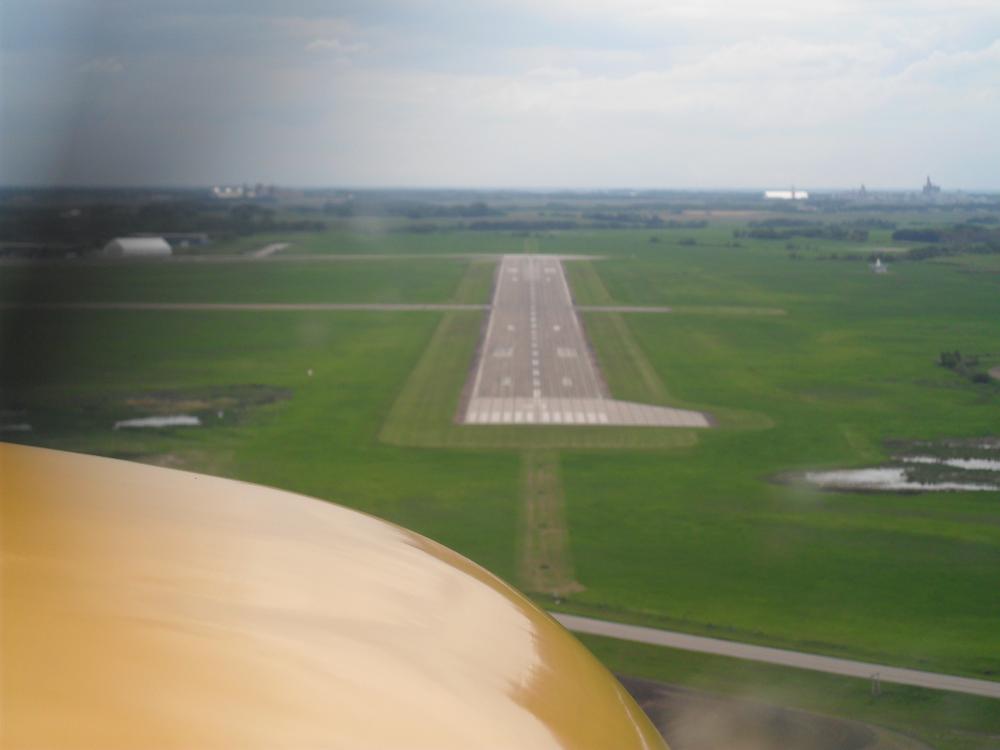
landing-at-yorkton

Landing a Maule M7 in Yorkton, Saskatchewan

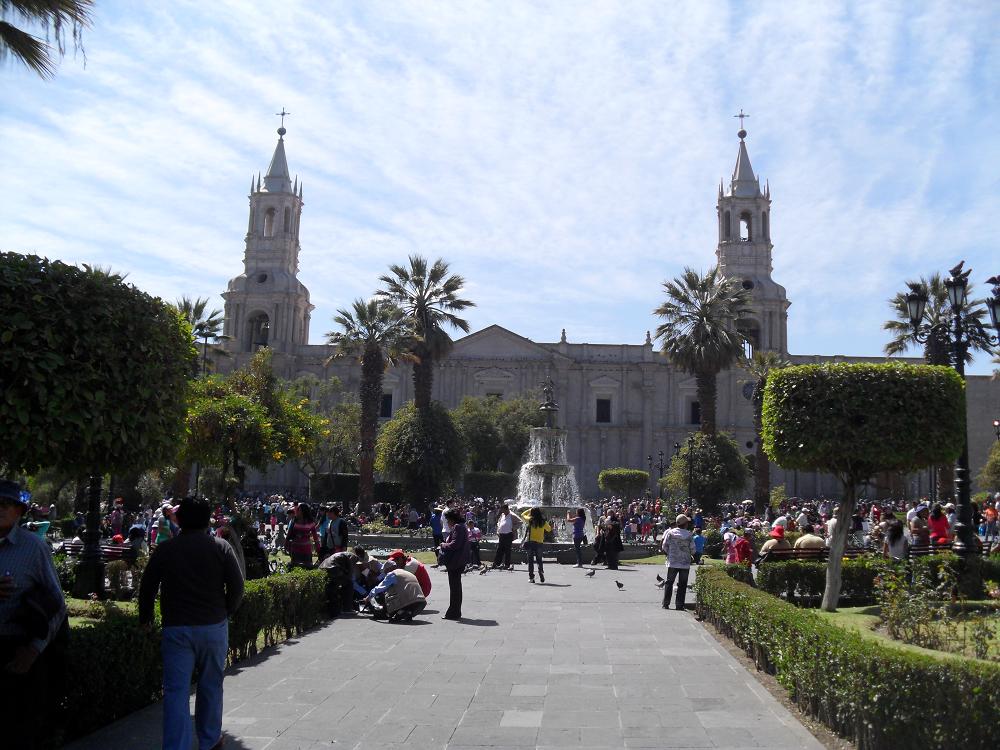
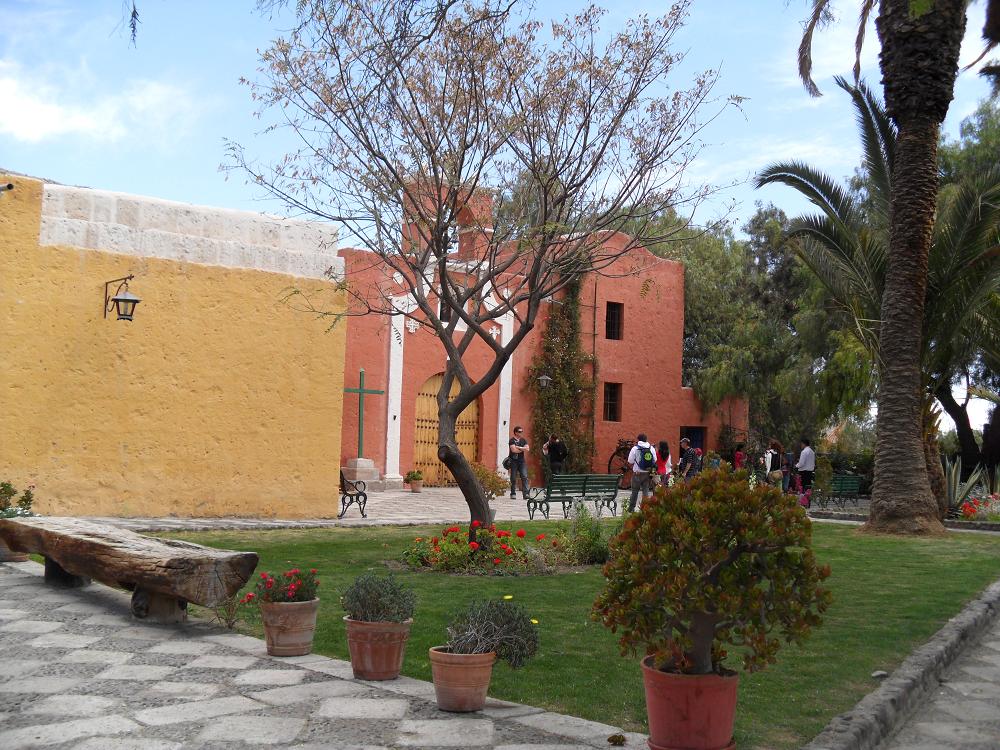
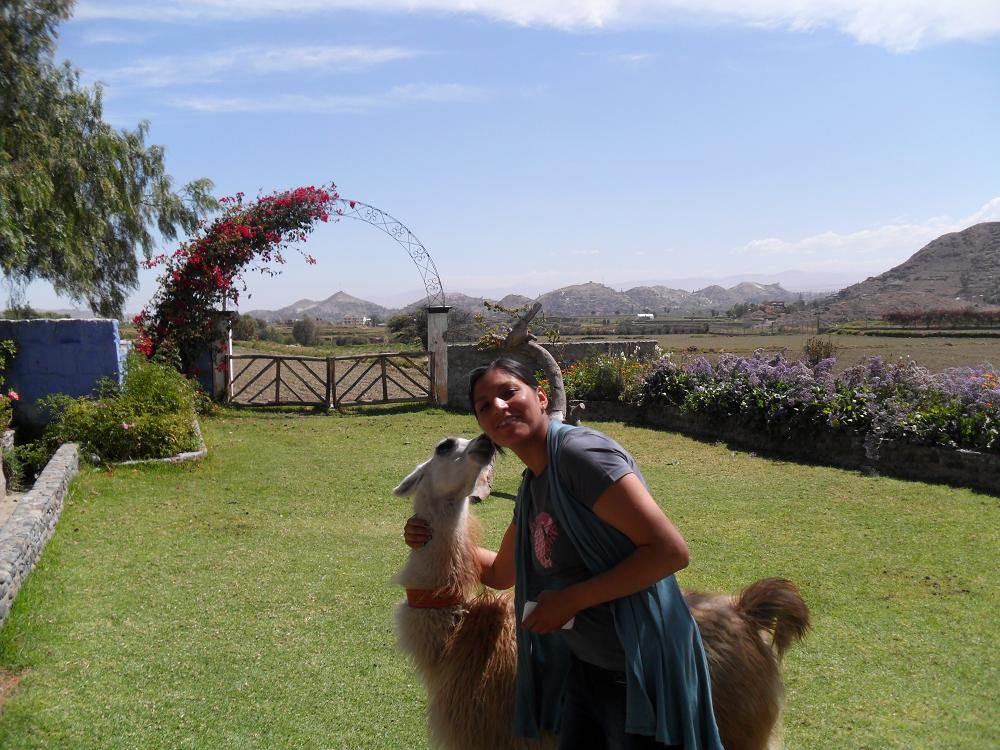
Arequipa

This slideshow requires JavaScript.

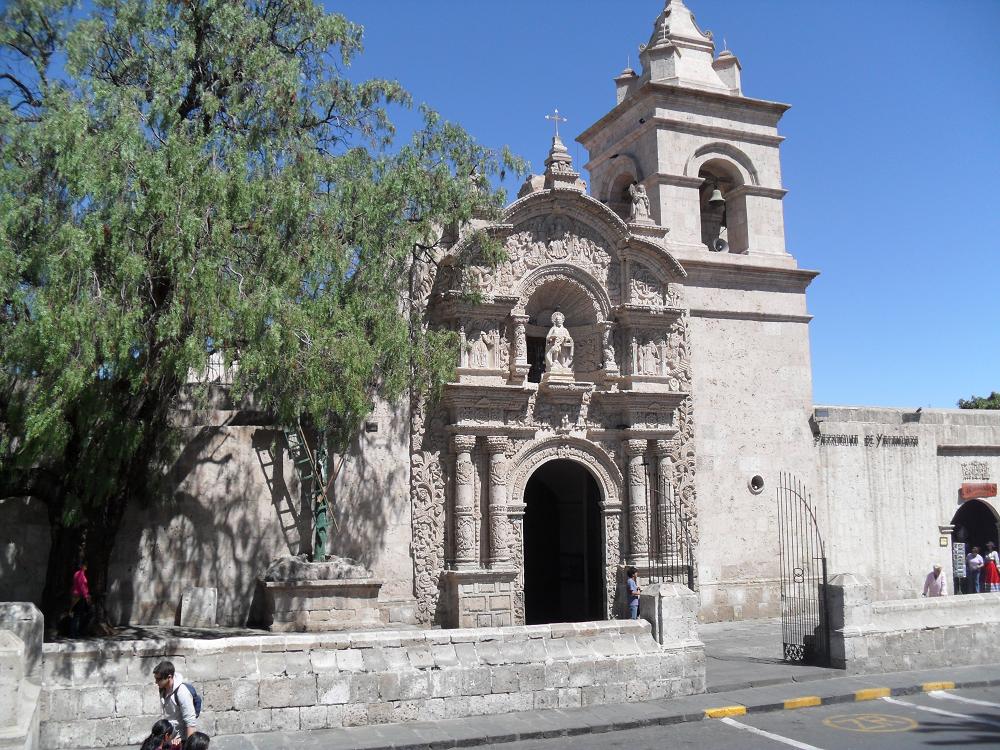
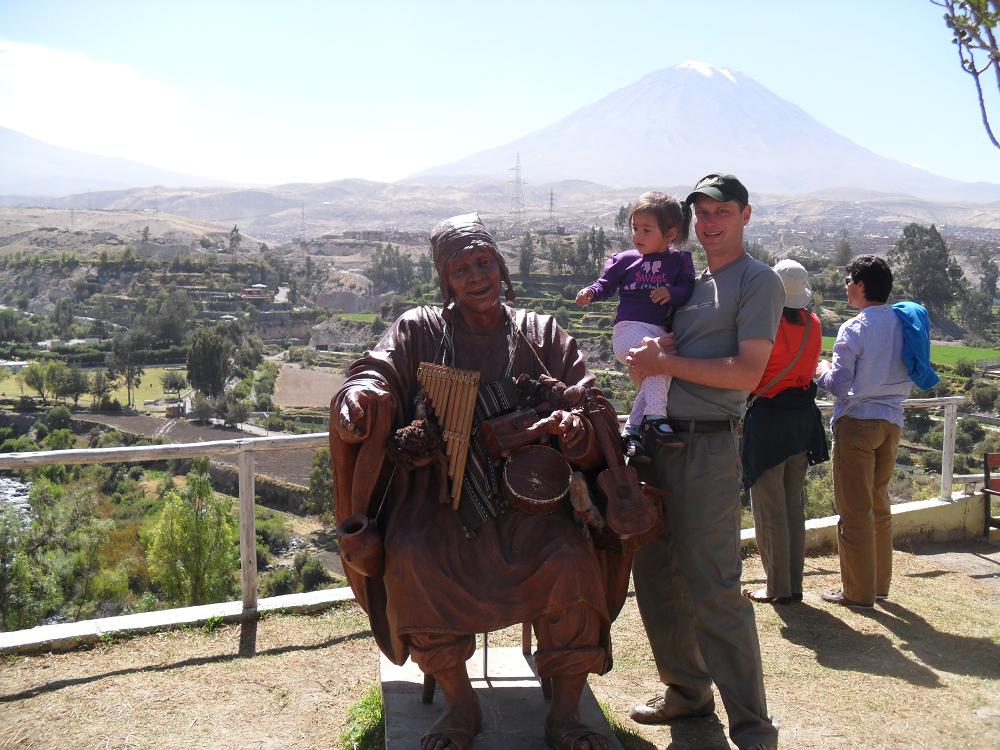
We spent a few days in Arequipa last month, you may have already read about part of the adventure here.

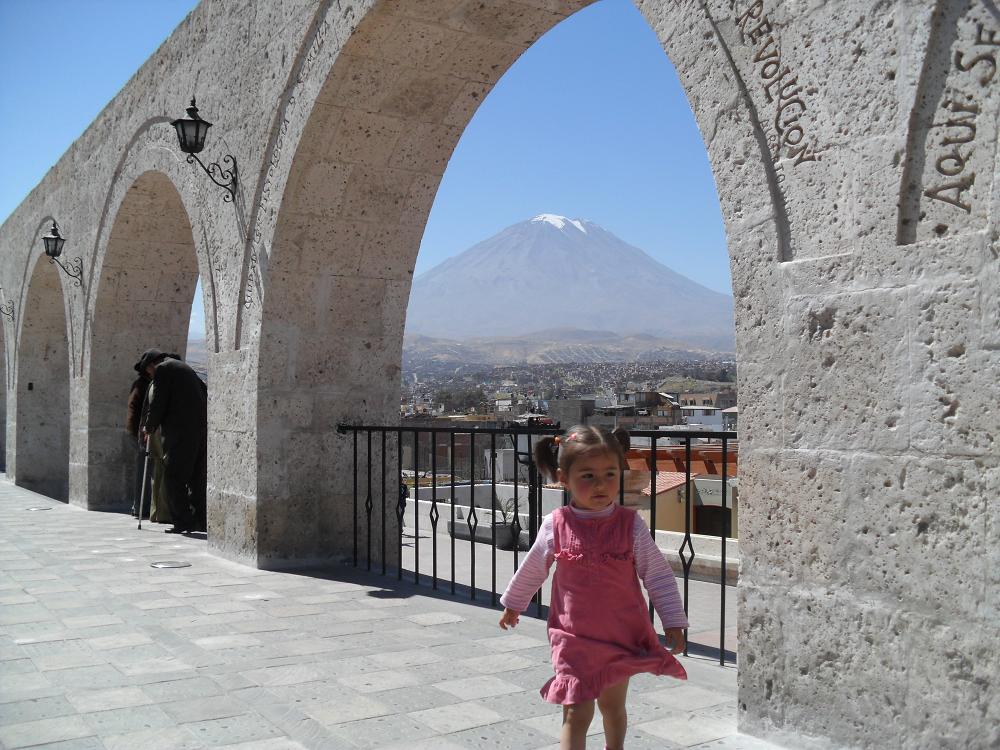
Arequipa is the largest city in the south of Peru, known as “la Cuidad Blanca” or the “white city”. It is well known that Arequipa is called “la Cuidad Blanca” because many of the city’s colonial buildings are made out of “sillar”, a white volcanic rock local to the Arequipa area. However, I’ve heard there’s a second reason for the nickname “white city”: when the Spanish settlers arrived in Lima, many found Lima’s climate too cool and humid and moved to Arequipa for its mild and dry climate. As the Spanish settlers with more white-colored skin displaced the native Quechua Indian population, Arequipa became known as “the white city”.

I don’t know if that second story is true but you can’t blame the Spaniards for moving to Arequipa in search for a better climate than Lima. Stuart once said that Arequipa has the most perfect climate on earth and it’s hard to argue with that. Outside of a few rainy months during the Southern hemisphere summer, Arequipa enjoys a mild, dry and sunny climate – all day, every day.

The weather isn’t hot but do bring a hat because the sun is very strong in Arequipa, I guess that must be due to the combination of elevation and dry air. Arequipa, by the way, is at an elevation of 7,550 feet or 2,300 meters, higher than Denver but lower than Cuzco.

There are many reasons to visit Arequipa: it’s far more cosmopolitan and far less touristy than Cuzco. The local food is a bit different (more spicy) than in other parts of Peru. Arequipa has beautiful views, history, culture and a near-perfect climate.

But the most important reason to visit Arequipa is that the city is near to several major volcanos, practically in the shadows of “el Misti Volcano”. One day sooner or later one or all of the volcanos will go KABOOM and then Arequipa as we know it will be history. So go on and get your chupe de camarones and rocoto relleno before it’s too late 🙂

Note: rockheads can download the geology of el Misti Volcano here.

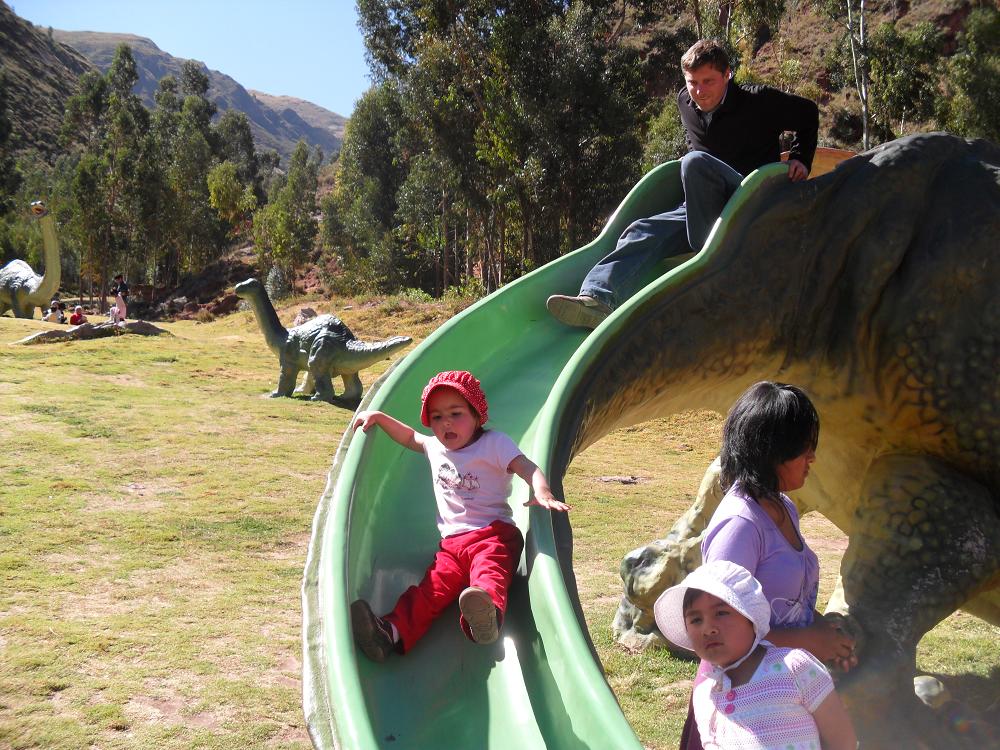
Jurassic Park Oropesa

This slideshow requires JavaScript.

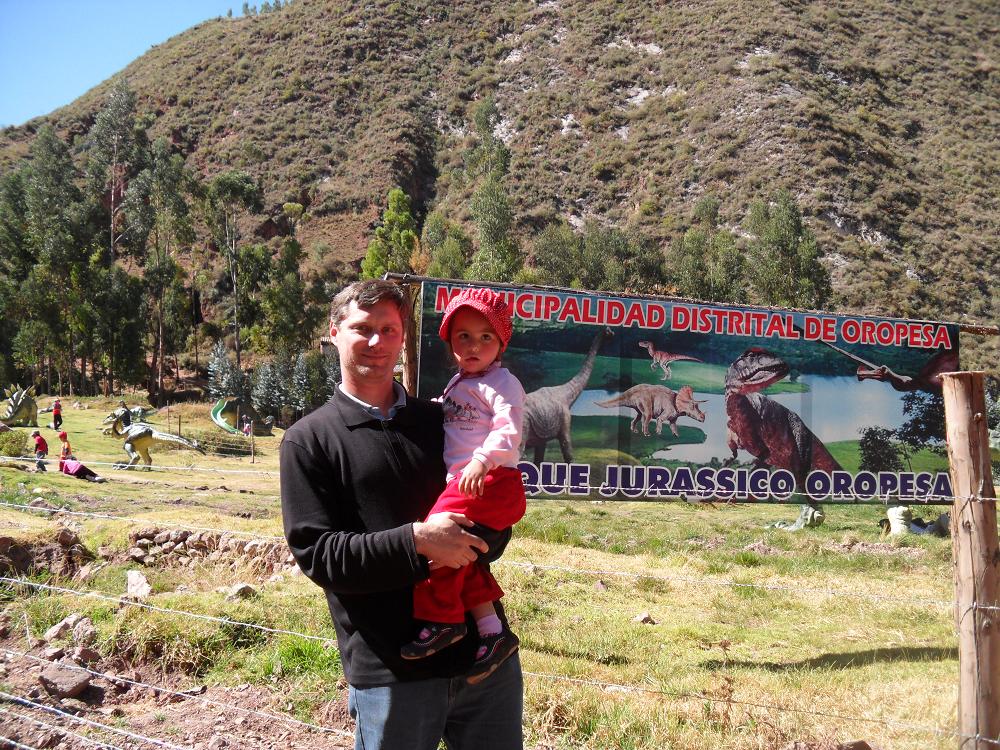
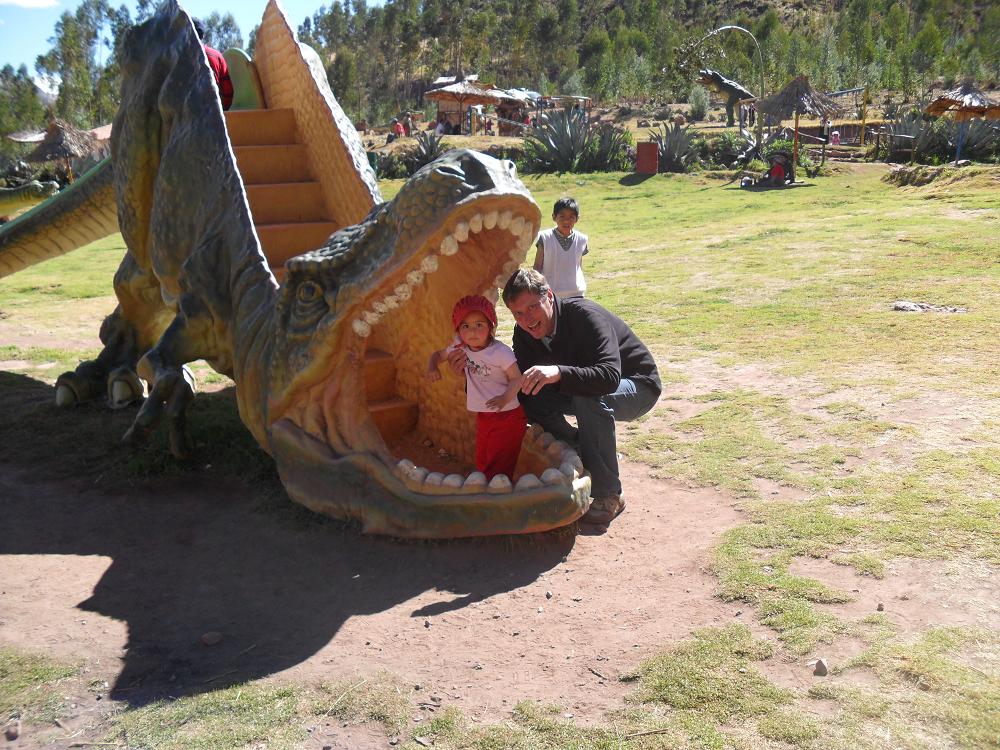
A while back we visited Jurassic Park in Oropesa. Many playgrounds in Peru are not that well done, but the Jurassic Park in Oropesa is the exception to the rule. It’s a very nice park and the dinosaurs are very well made. Brianna had a great time playing.

Oropesa is a small town in the “Valley of the South”, just outside of Cuzco. Oropesa is best known for its bread, seems like the biggest activity in Oropesa are bakeries that supply bread to the city of Cuzco.

The “Valley of the South” with its towns of Saylla, Oropesa, Tipon and Andahuaylillas is well worth a visit while you are in Cuzco. Many tour operators offer day-trips, but you can also hop on a bus (“combi”) and explore the area on your own. You can eat yummie chicharron in Saylla or “Cuy” in Tipon. Tipon also has ancient Inka ruins that rival Machu Picchu only with far fewer tourists. Most “Valley of the South” day trips end in Andahuaylillas, where you can visit the Sistine Chapel of the Andes – an outwardly unassuming looking little church with stunning murals on the inside.

Of course if you have kids along don’t forget to stop at Jurassic Park Oropesa. Just hop of the bus at the Oropesa stop, walk up the hill to the main square and continue up the hill a few more blocks. There are also taxis waiting by the bus stop that will be happy to take you there. Avoid mototaxis because the hill is kind of steep 🙂

One week, $200 – that’s all she wrote :)

Further on my series of posts on cost of living in Peru, time to fess up that out of $200 I started with exactly 1 week ago, there’s nothing left in my wallet.

Nada, nichts, zilch, nothing.

The final straw came yesterday morning as I started to boil water (we boil our drinking water) and the gas in the kitchen ran out. I called the gas company to bring a new cylinder of gas and, as always, they asked me with how much I would pay. This is so they can make sure the driver has correct change. I mustered up the confidence to open my wallet and saw I had S/.60 (~$21.80) left. A cylinder of gas is S/.35 and change. I don’t think most people tip the driver, but I do. After all, the guy’s delivering cylinders of explosive natural gas on a motorcycle in Peruvian city traffic for 12 hours a day, I think he’s earned a tip.

Since my previous post on day 4 of my “cost of living in Peru” experiment, this is how we’ve spent the last of my $200:

Food: I loose track of how many times I go to Mega – our local grocery store. Since the store is about a half a mile from our house I walk to Mega and back, consequently I only buy as much as I can carry (and still chase the baby if I need to). I think I go to Mega 4-5 times per week. I spent S/.20 at Mega yesterday and S/.36 the day before if I remember well. Some time earlier during this experiment I spent S/.170 or so at Mega because we bought expensive items like laundry detergents, etc.

Bread, snacks, etc: I spend S/.2.00 for fresh bread every morning and occasionally S/.6.00 – S/.10.00 to buy yummie treats at the bakery in the afternoon. I often take Pitufiloquita to the park in the morning and we both get our S/.1.00 ice cream when the sun is out.

Restaurants: Saturday we ate at “Sr. Panda”, a nice little restaurant right by our house. We like it because the food is good and reasonably priced, it’s only a block away, and “Sr. Panda” is about the only place in Cuzco (maybe all of Peru) where you can get good, hot and greasy chicken wings.

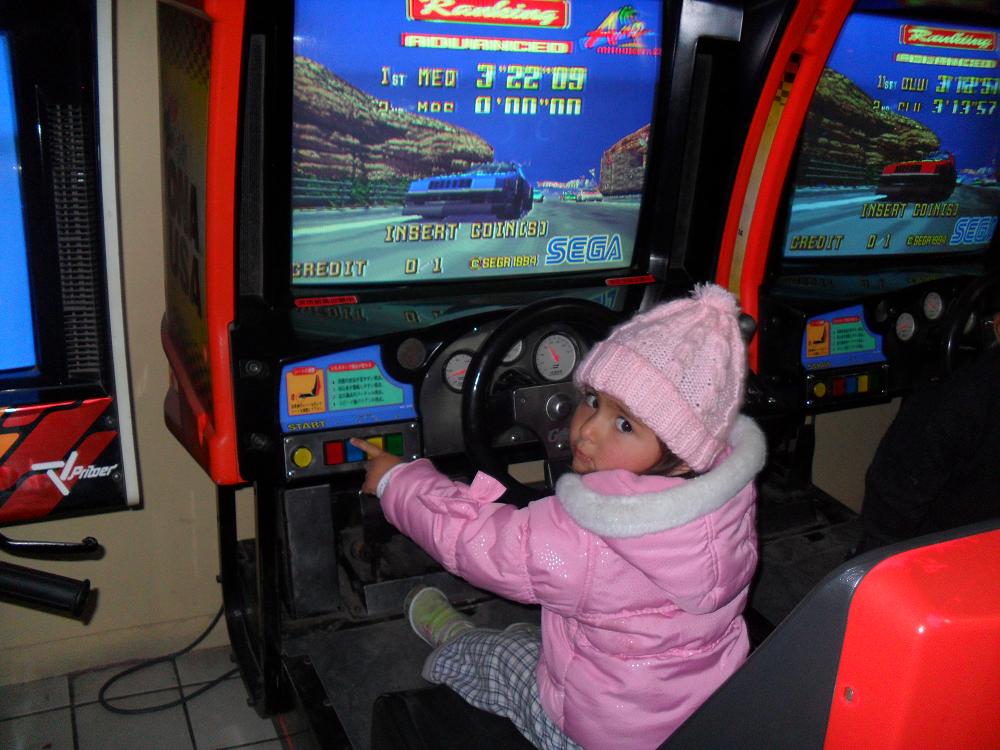
We also like “Sr. Panda” because right nextdoor is an arcade where I can take Pitufiloquita while we’re waiting on the food – just so she doesn’t raise too much cane in the restaurant 😉

I believe I spent S/.28 (~$10) at Sr. Panda and maybe S/.5 – S/.8 at the arcade.

brianna-and-mommi-arcade

Mamacita and Pitufiloquita playing at the arcade

brianna-arcade

Brianna getting ready to race at the arcade

Long story short, I managed to make it through a week on $200. That’s about right as far as our cost of living here in Peru goes. Our rent is $220 per month, our bills are around $200 (some are discretionary such as cellphones and satelite TV) and with food, restaurants, day trips and the like we usually spend between $1,000 – $1,400 per month for a family of three (5 if you include the mutts).

When I lived by myself in the US my bills were around $2,400 per month just for mortgage, car payment, gas, utilities, etc. That was before buying food and any discretionary things like going out to eat.

How about you, how much is your cost of living and in what area?

Cost of living in Peru – day 4

Ouch this is getting ugly real fast. Only 4 days since I started my cost of living in Peru experiment and I’m already scared to look in my wallet to see what’s left of the $200 I started with on Tuesday.

Day 1 was easy enough. After paying some regular bills (see previous post) the only money we spent was S/.23.94 (~$8.86) at “Mega”, our local grocery store. Mamacita got a few things at “Mega” and we had our famous homemade salchipapas for dinner:

homemade salchipapas

Homemade salchipapas

Salchipapas are a favorite Peruvian snack: a mix of french fries and deep fried slices of hot dog. Yumm!! Most Peruvians eat their salchipapas with lots of sauces (ketchup, mayo, aji, etc) but I prefer mine just with plenty of salt.

Day 2 of my “cost of living” experiment wasn’t bad either. The only things we bought were bread in the morning and some paltas (avocados) to make fajitas for dinner at night. In the US many people assume that all Latin American food is like Mexican food, but that’s not true at all. Peruvian food is nothing like Mexican food. Having said that, my homemade fajitas didn’t turn out bad at all 🙂

Day 3: now it gets bad

It’s my own fault, we had to spend some money. A few days ago I lost my cellphone, been looking for it ever since but it didn’t turn up. In Peru cellphones get robbed all the time, but in my case I’m certain I just misplaced it (or pitufiloquita may have taken it out of my coat pocket and disappeared it somehow). I can live without a cellphone, but the trouble is that I just sent out a few resumes to my potential dreamjob, and the resumes of course have my phone nr on them. Mamacita has threatened if I don’t get a real job by the time I’m 40, that we’re all moving back up North – so I can’t afford to miss any phone calls 🙂

Our plan to replace my phone was very Peruvian: mamacita has various cellphones and doesn’t use all of them. Since her phones are with a different company, we decided to take one of her unused cellphones to “Centro Commercial Paraiso” to have it unlocked. “Paraiso” is one of the less reputable markets in the Santiago district of Cuzco. A lot of stolen cellphones end up there to be unlocked and resold.

Mamacita thought we would be able to unlock her phone for S/.10 and buy a new chip at Movistar for another S/.10 but we had no such luck. Mamacita’s cellphone is a nicer new model, and nobody at “Paraiso” was able to unlock it for us. I gave up and we went back to Movistar to buy a new phone (S/.109 or about $40) and new chip so I could retain my phone number.

On the way back from the cellphone store we spent S/.39.40 (~14.59) at “Mega” again. Just some supplies, drinks, juices, etc. I drink a lot of juice in Cuzco, not sure if it’s the altitude or why?

KFC in Cuzco, Peru:

Later in the afternoon on day 3 mamacita spent some time with Maria, one of her best friends, to work on their univeristy thesis (presentation next Wednesday!!!). Exhausted and hungry from all their hard work, mamacita and Maria wanted to go eat at KFC at the Plaza de Armas late in the evening.

The KFC restaurant in Cuzco recently opened up in the spot where Cafe Ayllu used to be at the Plaza de Armas. I don’t care too much anymore for American style fast food, but since this is only the third American style fast food restaurant in Cuzco (the others are McDonalds and Bembos) I understand that mamacita and Maria wanted to try it out. In my opinion the food at KFC in Peru is better than KFC in the US. I haven’t eaten at KFC in the US in a long time, but I remember some years ago eating at KFC and thinking that the Colonel would have been ashamed if he was around to see what the food had become. Here in Peru the KFC chicken is pretty good, although in Cuzco I prefer “Brosso” for fried chicken and if you want really yummie fried chicken I think La Paz (Bolivia) has the best.

kfc cuzco

KFC restaurant at the Plaza de Armas in Cuzco, Peru

inside kfc cuzco

Inside the KFC restaurant in Cuzco

We spent something like S/.51 (~$18.75) for the big combo at KFC. Pitufiloquita was her wild usual self inside KFC. She managed to stay out of major trouble until she jumped and fell of one of the bench seats, but no harm done. At least no food ended up on the floor…

Yesterday was day 4 of my “cost of living in Peru” experiment. I didn’t really spend any money other than fresh bread in the morning (S/.2.00), S/.36 in groceries at Mega and S/.3.00 for more fresh bread, the Peruvian national bread pan ciabatta in the evening.

Conclusion:

I started out with $200 (S/.544) in my wallet on Tuesday. Right now I’m scared to look in my wallet, I’m hoping to at least make it through the weekend without having to hit the bank again 🙂

Cost of living in Peru

I get a lot of emails and questions about the cost of living in Peru. There really is no such thing as “the cost of living” in Peru. What one person spends in Miraflores in a month will be entirely different from what another person spends in Accha, and averages tend to skew the big picture.

Here’s a comment about cost of living in Lima from an expat airline pilot:

“How much you save depends on your own personal circumstances…..working wife/single, kids/no kids (school or university age), social habits/stay at home guy, etc….so hard to say. I made 140K last year as a year 2 Captain….BUT you pay about 30% tax, and 10% goes to your pension so every month they take a whopping 40% out of your pay check. Lima is not as cheap as it used to be, housing has increased significantly, aprox 100% in last 6 years……this is fact, I just sold my apartment! Schools range from 500-1000 USD/month and if renting don’t expect to pay less than 1K per month for a decent place.

It’s true that some areas of Lima are very expensive, but on the other hand most people in Peru have a far lower cost of living (and income) than what’s quoted above. Per capita GDP in Peru 2010 was $9,200 (CIA factbook).

So I decided to do my own little experiment: I took $200 (about 544 Peruvian Nuevos Soles) out of my local bank account here today. I will try not to use my bank card for anything in the next few days, just cash, and keep track of how much I spend each day and how long it takes for my $200 to run out. Hopefully I will make it through at least a few days 🙂

Sadly, I’ve already spent some of my $200 because bills were due today. Here’s what I’ve spent so far:

  • Garbage pickup, 2 months: S/.13.00 (~ $4.78)
  • Water & sewer, 1 month: S/.14.00 (~ $5.14)
  • Electricity, 1 month: S/.42.20 (~ $15.51)

Maybe today wasn’t the best day to start my experiment, because I’ve just completed 2 of my biggest recurring purchases in the past few days: diapers and dogfood 😉

Check back tomorrow and see how my wallet is holding up!

PITUFILOQUITA

I’ve been really short on time lately and haven’t been posting much. I meant to write about my last visit to the EsSalud hospital for Brianna’s routine immunizations. The nurses at the hospital wanted Brianna to see a psychatrist and a specialist for being “hyperactive”.

In my opinion that’s nothing but bad influence from the so-called developed world. According to the CDC 2.7 million kids in the US are taking medication for ADHD – but I don’t want any part of it. ADHD is baloney. I agree that Brianna is more active than other kids her age, she’s nothing short of a little hellraiser. But having lots of energy is not a medical condition that needs to be treated or corrected, hyperactive kids just need a way to apply or let out their energy in an acceptable manner, and if it takes a lot of effort from the parents to channel or control that energy, so be it, that’s life.

Arequipa

We spent a few days in Arequipa last week – more on the trip and beautiful city of Arequipa later. Unlike Cuzco, Arequipa has some new North-American style shopping malls. Since we don’t get the opportunity too often (Cuzco has no movie theatres) we went to see a movie at the Cinemark theatre in the mall Aventura Plaza in Arequipa.

We decided to see “the Smurfs” movie, or Los Pitufos in Spanish.

  • Los Pitufos = the Smurfs
  • Loquita = little crazy one
  • therefor: PITUFILOQUITA = Hellraiser Smurf

After watching the movie, my new nickname for Brianna is Pitufiloquita, loosely translated Hellraiser Smurf.

It all started of innocently enough. Pitufiloquita ran around the entrance hall of the Cinemark theatre while mamacita stood in line to buy the tickets, sodas and popcorn. She ran in and out, up and down the escalator, looked cute and innocent thereby giving all the teenage couples waiting to get into the theatre an entirely wrong impression of what a 2-year old really is like.

We got into the theatre just before the movie started. We didn’t even make it through an entire movie preview before half of Pitufiloquita’s popcorn ended up on the floor. Mamacita had wisely bought a separate small popcorn for Pitufiloquita and a large popcorn for us to share.

Pitufiloquita then insisted on sitting on the floor and eating popcorn off the floor. Not much later the other half of her popcorn met the floor as well. Pitufiloquita then decided to stomp the popcorn into mashed popcorn. Next came the Skittles, and you guessed it, most of them ended up on the floor.

By this time Pitufiloquita was thirsty, so out comes the soda. I made darn sure no soda got spilled in the theatre, that’s just not cool. It’s one thing to sweep up some popcorn, cleaning sticky soda is a different matter. Pitufiloquita knows how to drink from a cup by tipping the cup, she also knows how to use a straw. Sometimes she gets confused and tips the cup all the way up and that’s how most of the soda ended up on her shirt.

What remained in the big bucket of popcorn for mamacita and papucho then somehow ended up on the floor as well. At that point there was nothing left to throw on the floor so Pitufiloquita started to explore the theatre, climbing up and down the stairs. Papucho made the mistake of going after her, which she just interpreted as “hey, time to play the chase-me-around-the-theatre game”.

Papucho retreated to his seat, pretended not to know anyone and started looking for the nearest exit.

Funny how kids that age learn all the things you don’t want them to. At one point when I was trying to stop her from making a mess Pitufiloquita got all mad and right at a perfectly quiet moment in the movie she yelled out:

“Maldito sea-a-a-a-a-a-a!!!!” (a Spanish curse word)

She starts out in an angry voice, but then it becomes a whiny baby voice. It’s so funny you just can’t help laughing, even though you know you shouldn’t.

Now all this is not to say Pitufiloquita wasn’t enjoying the movie as well. For all her antics she actually did pay attention. At one point there’s a scene with a cellphone, and Pitufiloquita of course had to comment:

“Hallo, hallo, …”

“Di-me, di-me, diiiiiii-me!!!” (~go ahead)

Probably the worst moment for me was when the man sitting next to us got up to go buy some snacks. He was with his wife and kids. One of their kids was about Pitufiloquita’s age, but she sat quietly on her mommy’s lap during the entire movie.

When the man got up and started to walk past our seats, I expected him to shake his head, make a condescending remark, or perhaps just pretend to ignore us. Instead, he paused, his eyes opened wide:

“Oh, Whooaaaaa!!!!”

Probably only guys will really understand this. His reaction was like when you watch an MTV “Jackass” episode: you’re looking at something disgusting and you know you should be disgusted or offended, but the scope of the mess is so immense that you just can’t help but be impressed.

This man was a father of a young family himself yet he was impressed by the mess made by our 2-year old.

“Oh, Whooaaaaa!!!!”

I didn’t know whether to laugh or cry.

When the lights came on I ran for the nearest exit 😉

As for the movie, I thought it was pretty good except that I wish they had chosen a setting other than New York city. I understand the commercial aspect of it, but personally I would prefer if more movies were set in different places.

No matter where you are, people are people. We were trying to enjoy our first post-baby vacation and try to make it through a movie without embarrasing ourselves just like young families do anywhere in the world.

Click on the pictures for full size.

brianna-in-mall

Hellraiser smurf at the mall in Arequipa

brianna-at-mirador

Hellraiser smurf in Arequipa

A promotional video from the developers of mall Aventura Plaza in Arequipa:

The “Pitufos” movie trailer in Spanish, so you too can have the Smurf’s song in your head for the next 4 days 🙂

The Peruvian Mother

“I believe in the future
we shall suffer no more
maybe not in my lifetime
but in yours I feel sure”

Brilliant lyrics by Paul Simon that could have been written about the Peruvian mother.

Disclaimer: this post is NOT about the mother of my baby goose 🙂

Juan Carlos, a teacher I used to work with here in Cuzco, once told me the only reason comedians use a Jewish mother stereotype is because they’ve never met a Peruvian mother. He should know. Juan Carlos is in his fifties and still lives at home with his parents, who still treat him like a little kid. One example he gave me is that his father still comes in his room every morning just before dawn and places a glass of fresh made juice next to his bed for when he wakes up. On occasions after a night of drinking and womanizing Juan Carlos just barely manages to sneak in bed before his father brings him his morning juice.

Not meaning to stereotype, I’d have to agree with Juan Carlos. I think it’s safe to say culture has a profound impact us as individuals and the Peruvian mother is one example of that. Peruvian mothers are typically very strong persons, totally preoccupied with the well-being of their children. They can also be quite overprotective and overbearing, treating their children like babies long after they become adults.

An example I witnessed: I know a couple of kids in their early 20s who live with their mother. One day the mother decided to travel out of town for 3 days and in her absence she had made arrangements for the 2 kids to eat lunch at a neighbor, so they wouldn’t have to cook or provide lunch themselves. All that may be reasonable enough but on the morning after the mother was supposed to return home, an aunt of the 2 kids called in a hysterical panic to their older sister (who lives a block away, is married to a gringo and has a young baby).

“YOU MUST GO TO YOUR MOMS HOUSE NOW!!!!”
“YOU MUST GO TO YOUR MOMS HOUSE AND MAKE BREAKFAST FOR YOUR SIBLINGS!!!!”

The problem was that the mother had planned to be gone for 2 or 3 days, but due to some unexpected issue she was coming back a half a day later than planned. The huge panic was that no plans had been made for the 2 younger siblings to get breakfast (since the mother was expected to be back) so their mother had called her sister (the aunt) and instructed her to call her oldest daughter (who lives a block away, is married to a gringo and has a young baby) and tell the oldest sister to provide breakfast for her 2 twenty-something siblings.

Complete lunacy, the thought that 2 perfectly healthy twenty-somethings would need help to make breakfast for one day.

Peruvian mothers want nothing but the best for their children. It’s very understandable with some of the difficult times that Peru saw in the last part of the 20th century that those mothers who were young then would want a better life for their children now.

You can’t argue with the love and devotion of the Peruvian mother. They cook great meals for their kids, dress them and wrap them in blankets to protect against the cold, they work hard to send their children to the best schools, etc. etc. etc. That’s very admirable but has the potential for some unwanted results.

The 2 twenty-something siblings I talked about have no ambition, nada, zilch, nothing. They are spoiled not in materialistic ways but they expect mom to do anything and everything. They watch TV most of the day, ask mom for money to go to the internet cafe and check facebook, etc. They take a few courses here or there but don’t put anything to use. They don’t have a great deal of self-confidence or self-esteem because they have rarely accomplished anything on their own, they’ve never had to. They’re not bad kids, but like all of us they are to some degree a product of their environment.

Another side-effect of the Peruvian mother’s love for her children is the proliferation of education. Now we generally think of education as a good thing, but I disagree when education in itself has become the end goal, not a means to an end. I admire people who are true academics and they may be the exception to this, but in general I believe education should be a means to an end. I think it’s silly that in the industrialized world a university degree has largely become a prerequisite for any and every job. MBA’s throwing darts at the wall are no more valuable than a farmer, carpenter or school bus driver.

In Peru education is everywhere. When I used to teach ESL in Cuzco, parents would come to me all the time telling me about how good they’d want their kids to do. Parents were sending their kids to 2 or 3 institutes to learn foreign languages, sending them to university prep schools, other institutes, anything from speed-reading to computing to Italian or Japanese.

Trouble is, most of the institutes are strictly for-profit organizations that churn out students with fancy certificates and little practical knowledge. In Cuzco, good bad or indifferent doesn’t seem to matter when it comes to education. The Peruvian mother just wants her children to keep studying, even if it keeps them from being productive, entering the workforce or venturing out in the real world.

OK, rant over. Patricia is not an overbearing and overprotective Peruvian mother in the sense that I’ve just described. Check back in 11 years or so when our Brianna becomes a teenager to see if that’s changed 😉

Cold as a witch’s boob

I personally have no experience in the matter, but my friend Dave does. It’s hard to recycle the story but it’s a great story when you hear it from Dave himself. I’ll give you the short version anyway.

Dave and I used to work together. He was on my “team” at GE, now he’s moved on to management. Dave cut his teeth in aviation as a US Marine. He was a young Marine still in technical training when he started dating a cute young Navy electrician. If memory serves me they were both based in San Diego. I guess Dave didn’t understand at the time why this cute young thing didn’t seem to have a lot of dates and he took to liking her. After they’d been dating for a while, cute young electrician one night tells Dave that she is a witch. A bona fide practicioner of witchcraft, trained by her mother who was also a witch. I think cute young witch grew up in California, so that explains a lot.

Dave’s a good man and a God fearing Christian, the idea of dating a witch didn’t appeal to him too much but since he’d already been dating cute young witch for a while, he also didn’t break up with her right away. If I remember the story well, over a Christmas break he just decided not to call cute young witch and not to look her up after he got back to base. He didn’t really break up, he just disappered. In short, he woosed out.

The story ended with Dave standing around with his buddies one day when cute young witch snuck up on them and punched or yelled at Dave in front of all his buddies.

“You could have at least called!!!!”

And all Dave’s buddies: “Boohoo! She’s gonna put a spell on you!!!”

I never had the courage to ask Dave if cute young witch’s boobs felt really cold or not…

At any rate, the reason for all this talk about cold, is that it’s been unusually cold and rainy in the Cuzco area the past week or two. Normally between May and November the weather in Cuzco is great: sunny, dry and 21 degrees C (~72F) every day, with just a few clouds in the sky. As soon as the sun starts to go down though, it gets cold very fast. So these past couple of weeks, without the typical sunshine during the day, it was cold and miserable in Cuzco. Very unusual.

I had just returned home from a trip with stops in Nunavut (northern Canada), Greenland and Iceland, so you wouldn’t think I’d be cold in Cuzco, but I was.

The East coast of Greenland near Kulusuk

The East coast of Greenland near Kulusuk

Even after almost 4 years I still have a bit of a hard time with the climate and altitude in Cuzco. Cuzco is at an elevation of 3,400 meters or about 11,000 feet above sea level. I tend to get a little cold or flu more often in Cuzco than I did in the US or Europe. Patricia and Brianna hardly ever get sick, because they were born in Cuzco they are much stronger. I’m weaker than them and Patricia fusses at me every time I catch a cold or flu, but I blame it on being a bottle-fed baby. Silly Europeans and all their progressive nonsense!

Long story short, I’m seriously thinking about moving to the Sacred Valley of the Inca, which is about 3,000 feet (1000 meters) lower elevation than Cuzco and consequently has a milder climate, more tolerable for us gringos. With the boom in tourism and real estate in Peru, I’d like to beg, borrow or steal (not really) some capital and build a few villas in the Sacred Valley of the Inca as an investment project. From a little bit of research we’ve done here, building villas in the valley is a good business, as is building apartments in the city of Cuzco for that matter. I’m told you can make 20% return in less than a year, probably more if you have capital available and don’t need to borrow it. What many people do is build 5-6 apartments, condos or villas, sell all but one and have a free house for themselves at the end of the day.

That’s my plan, all I lack is time and money 🙂

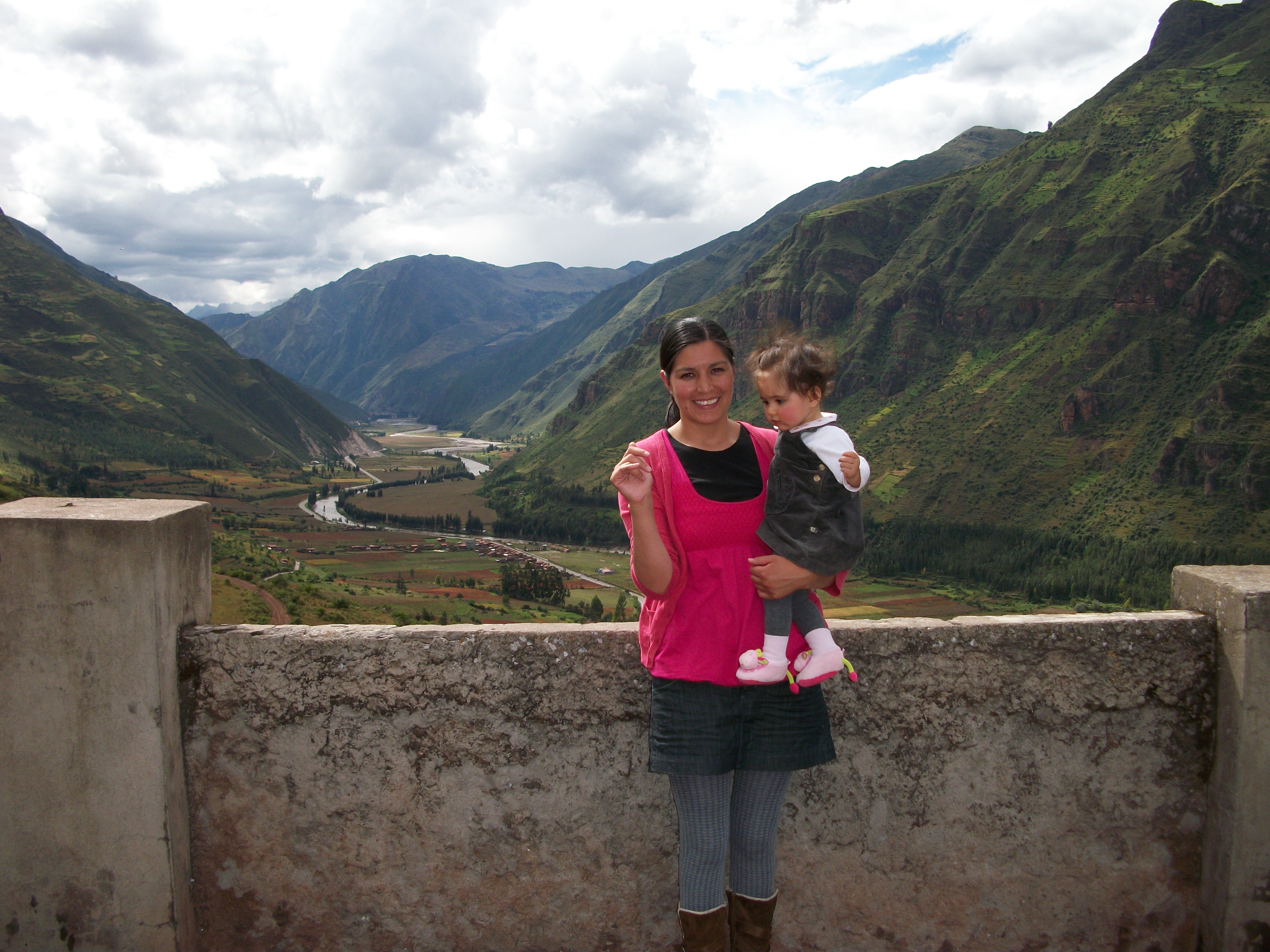
Here’s some random pictures of the Sacred Valley of the Inca:

Brianna in Urubamba, Sacred Valley of the Incas

Brianna in Urubamba, Sacred Valley of the Incas

Overlooking the Sacred Valley of the Inca from the shrine of Señor de Huanca

Overlooking the Sacred Valley of the Inca from the shrine of Señor de Huanca

Dining room of a hotel in the Sacred Valley of the Inca

Dining room of a hotel in the Sacred Valley of the Inca