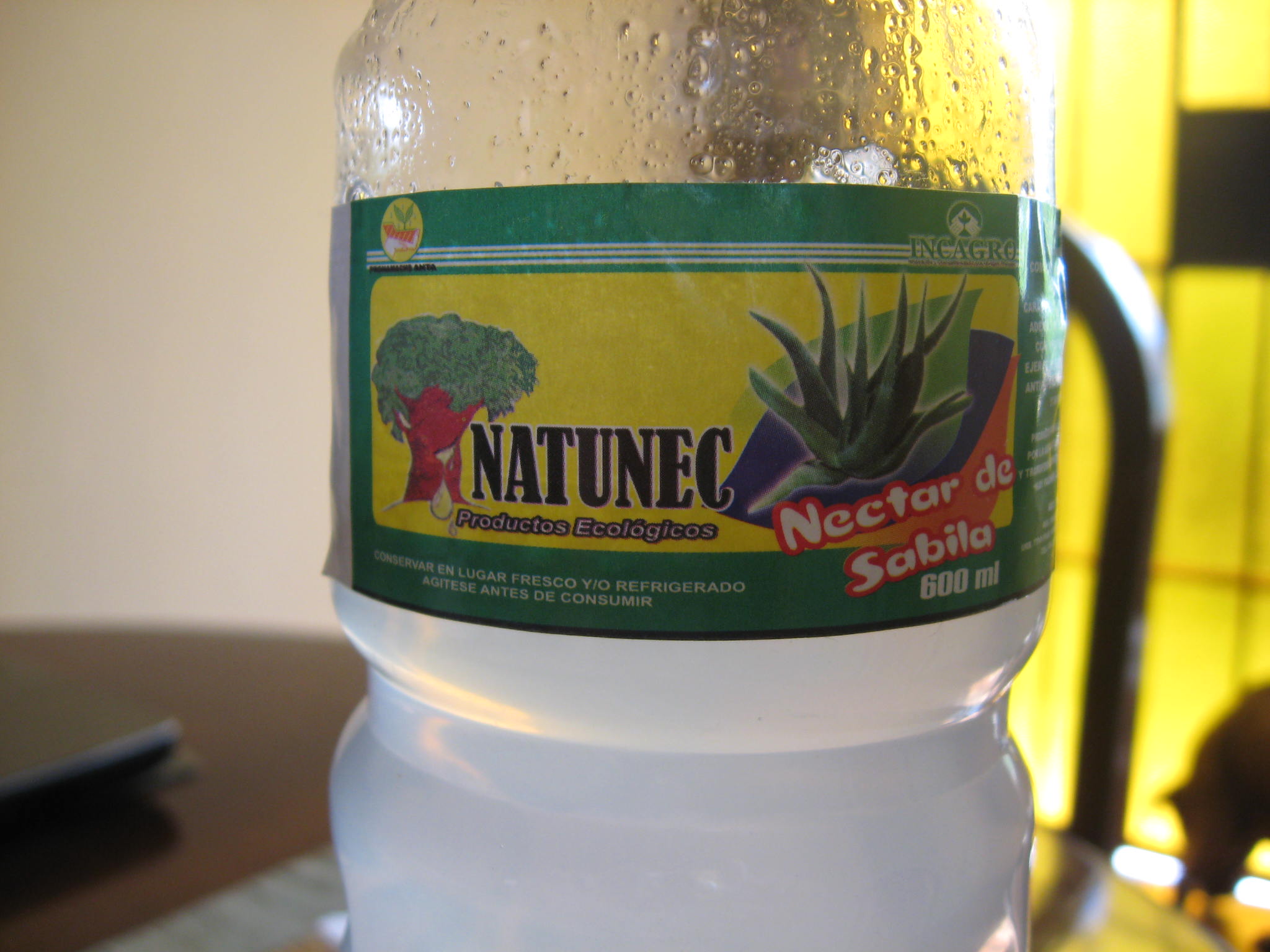
Calle Procuradores, Cusco

I took a walk through Calle Procuradores on the way home last night. Procuradores is a narrow street on the NW side of the Plaza de Armas in Cusco. There are a lot of small bars and restaurants on Procuradores, but to locals it’s known as the bad part of the Plaza de Armas because it’s the main hangout for the small-time drug dealers who peddle “weed” and cocaine (“Charley”) to the tourists.

Calle Procuradores seen from the Plaza de Armas, Cusco

Calle Procuradores seen from the Plaza de Armas, Cusco

Calle Procuradores, Cusco

Calle Procuradores, Cusco

Calle Procuradores looking towards the Plaza de Armas

Calle Procuradores looking towards the Plaza de Armas

Unfortunately local authorities don’t do anything to clean up Procuradores. I imagine plenty of kickbacks keep the status quo in place. It’s sad really, that people who come to a beautiful place like Cusco, with all of its attractions, entertainment and nightlife, still feel the need to fry their brains with cocaine to have a good time.

How not to visit Cusco

A friend of mine, alias “C”, was in town for a visit last week. Check out his story, a must read. While your visit will (should) likely be much more uneventful, his account gives you a good idea what to expect in Cusco from the viewpoint of a young, single guy.

My comments:

  • “C” is absolutely right that visiting the tourist areas of Cusco and Machupicchu does not constitute knowing Peru.
  • Service in the tourism industry here can be mixed, to say the least. Sounds like “C” got the typical treatment on the city tour: because you’re a gringo we’ll nickel-and-dime you to death.
  • Last I checked (about a year ago) you could buy a “city touristic ticket” for around 25 Nuevos Soles, and it gives entrance to nearly every tourist site around the city (including Sacsayhuaman). Instead of taking a city tour, just take a walk around the city yourself. “C” posted a pretty good list of places to see in Cusco on his blog.
  • I like Sacsayhuaman, but I agree listening to the tour guides can bore you silly.
  • Around the Plaza de Armas and San Blas you do find a ton of “gringos” in the bars and discos. But the residential areas where you can find bars and discos packed with mostly locals are only a few blocks away. Best to go in a small group though.
  • Sicuani is really not the smallest, poorest town around. It’s actually pretty representative of a provincial Andean town. If you really want to know how people live in the Andes of Peru, just take one of the local busses (like “C” did) and talk to some of the people. The bus “C” took was not for poor people per se, it’s what ordinary Peruvians use to travel in the provinces.

Final thoughts:

  • Your visit should by all means be less eventful than “C’s”.
  • If you do get in trouble, there is a “tourist police” agency on the Plaza Tupac Amaru.
  • Don’t drink like you’re at home. The elevation in Cusco is 3,460 meter (~11,000 feet), or about twice as high as Denver. Being away from home, combined with thin air, alcohol and bricheras makes for some wild scenes at the nightspots in Cusco.

Walk through Cusco

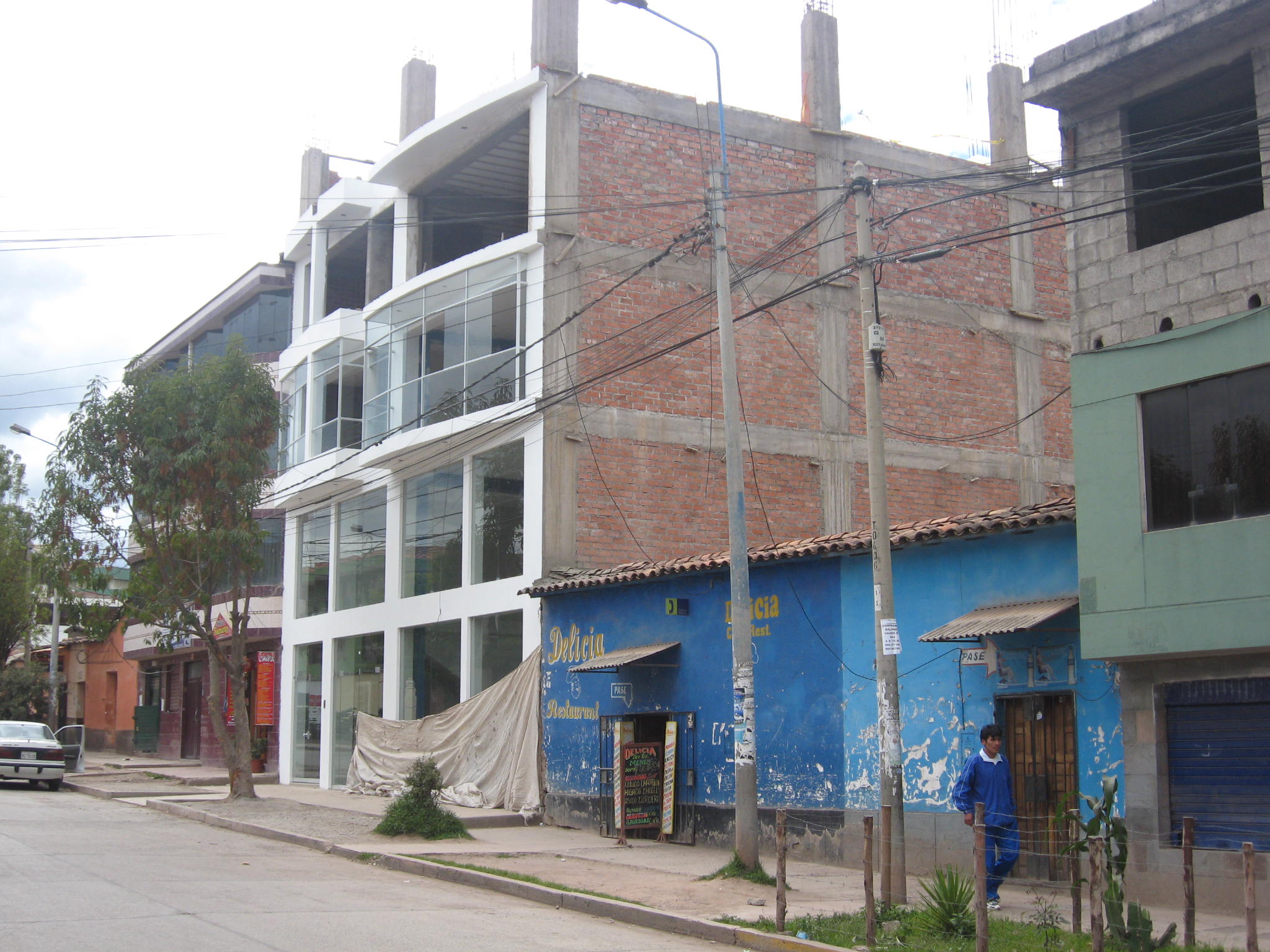
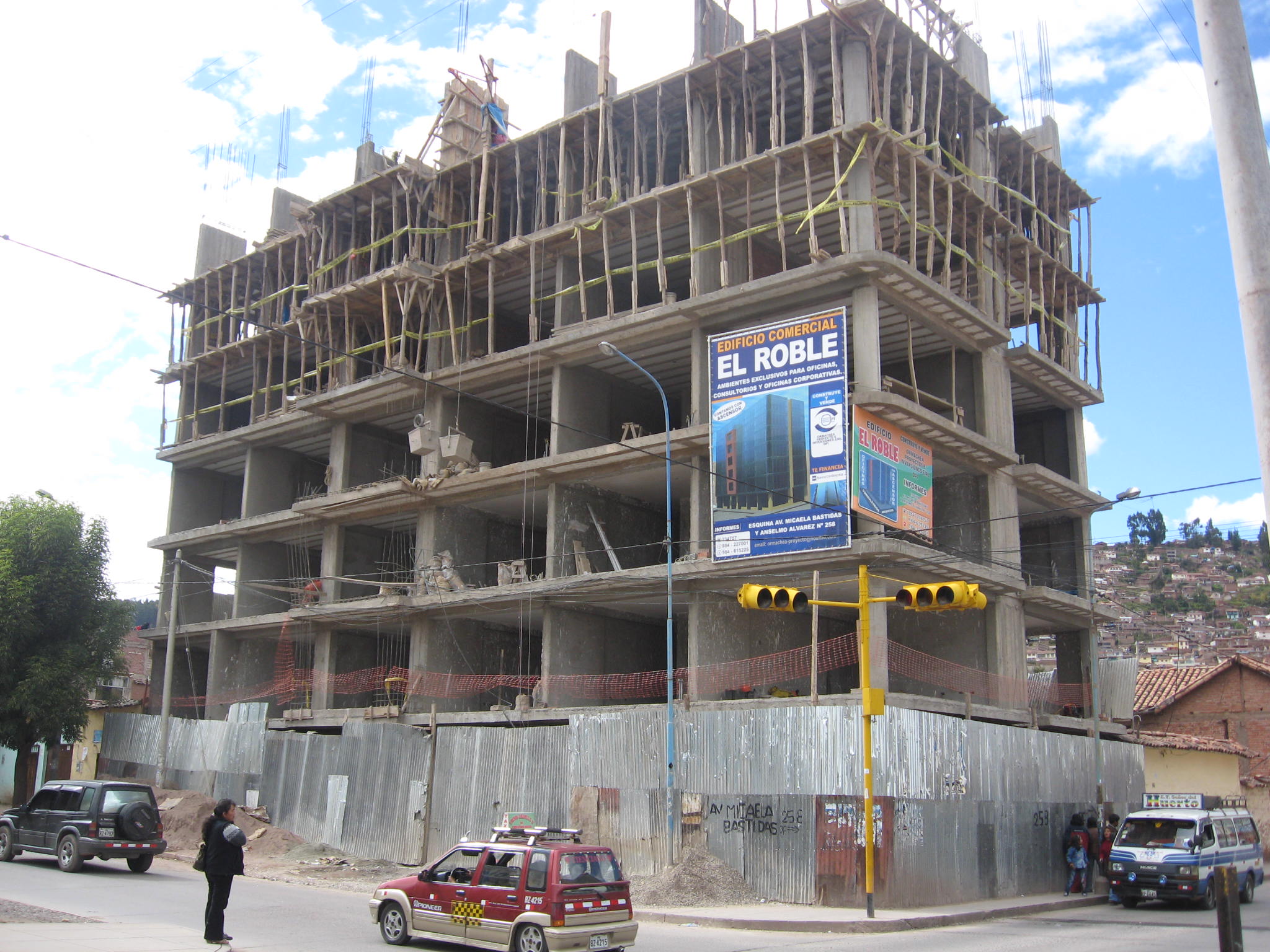
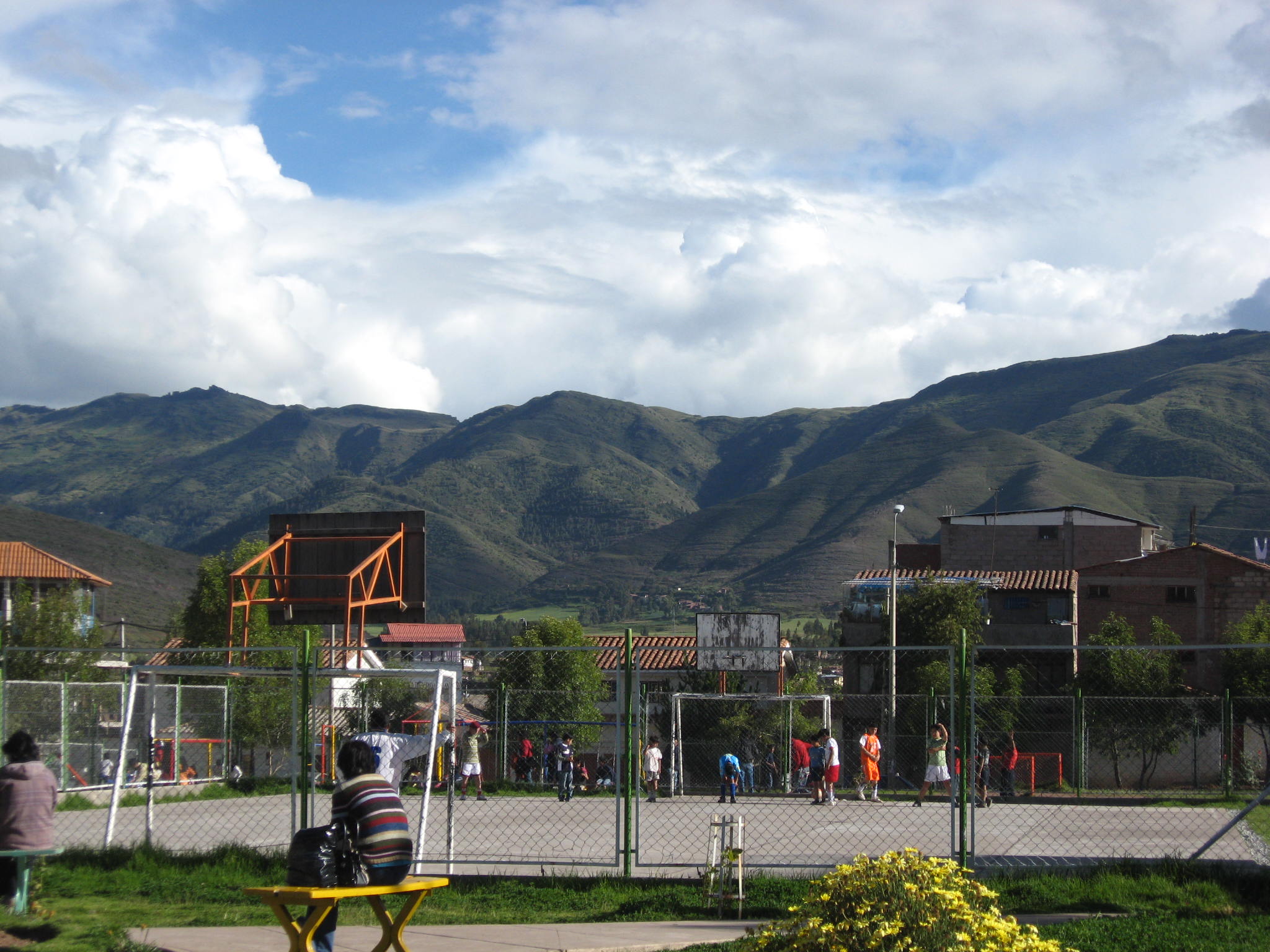
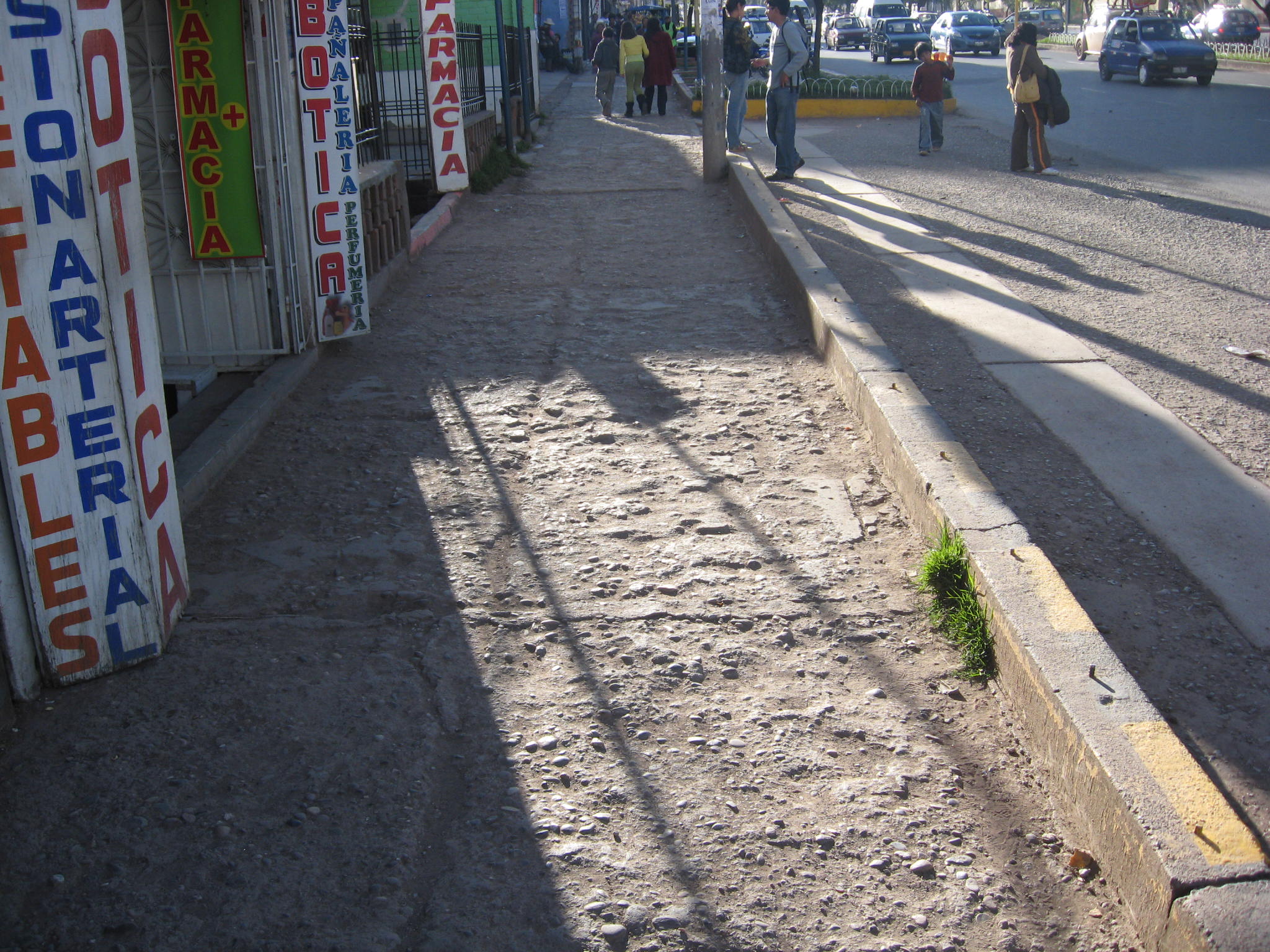
We took a walk through some residential areas of Cusco on Sunday. Wanchaq, our neighborhood, is a fairly nice, middle-class part of Cusco. Some of the nicest residential areas of Cusco are Larapa, Magisterio and Huancaro Residencial. There are also poorer neighborhoods both near downtown as well as on the outskirts of the city. The residential areas of Cusco are growing fast, new buildings are going up everywhere. True to Peruvian form, some unfinished buildings linger around for years.

Cusco is an expensive city by Peruvian standards, thanks to the tourist industry. The cost of real estate is entirely out of line with personal incomes. Asking prices for nice apartments easily exceed $50,000. Consequently, as in all of Peru, it’s not uncommon for 2 or 3 generations of a family to share a home, which is also why you find lots of young couples making out in public places.

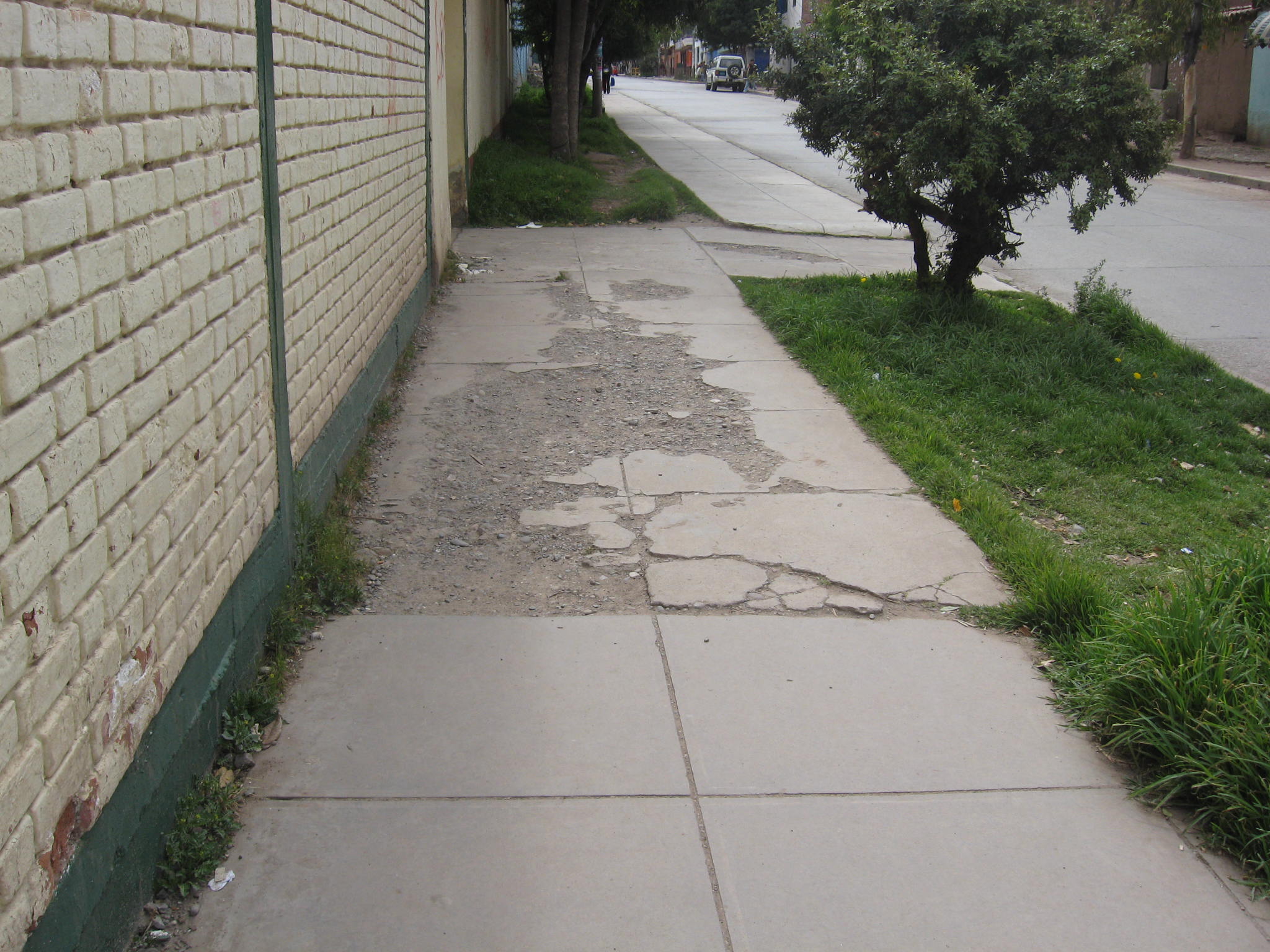
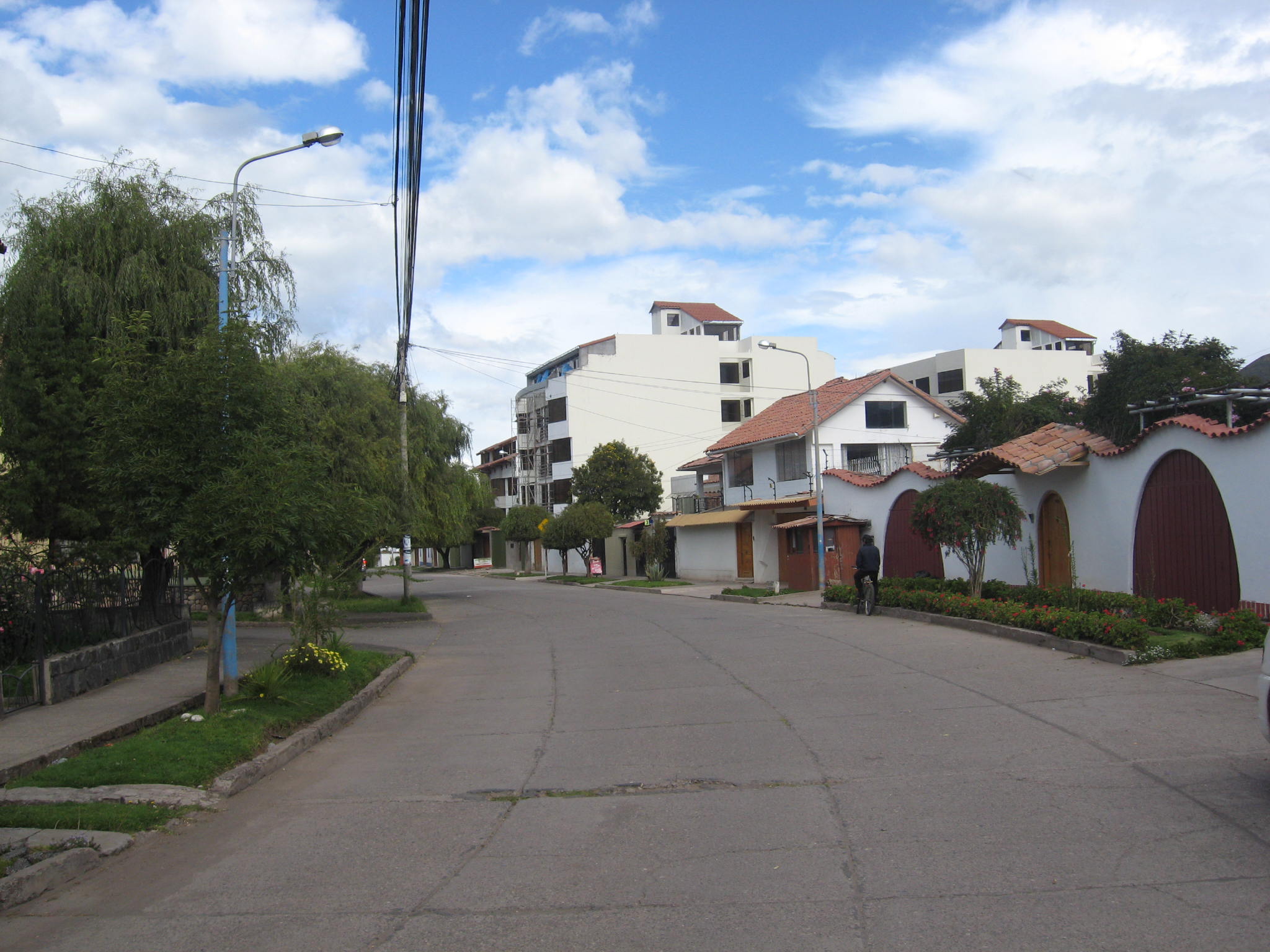
These are pictures of middle-class residential areas in Cusco. I’ll try to get some pictures of the other districts later.

Mi cama, tu trasero

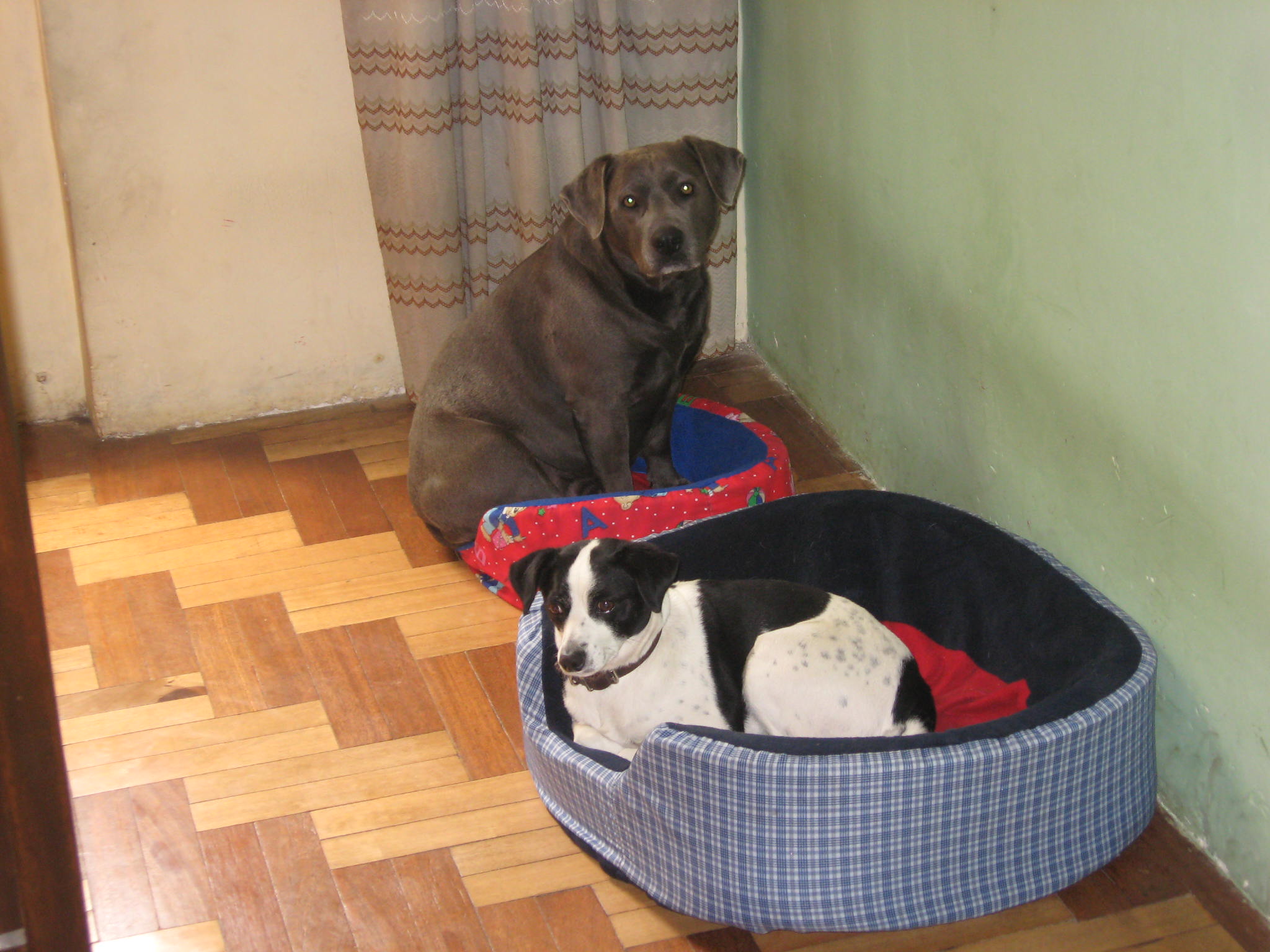
We spent 60 Nuevos Soles (about $20) to buy new doggie beds for our bi-national, US-Peruvian mutts this weekend. Here’s how they ended up:

Roxi and Manchita

Roxi and Manchita

Funny how Manchita’s big bottom doesn’t quite fit in Roxi’s bed. Manchita looks tough but Roxi is a bossy little terrier, and she’s also older than Manchita. We think Manchita is a Blue Pitbull, but without Roxi around she’s just a big baby.

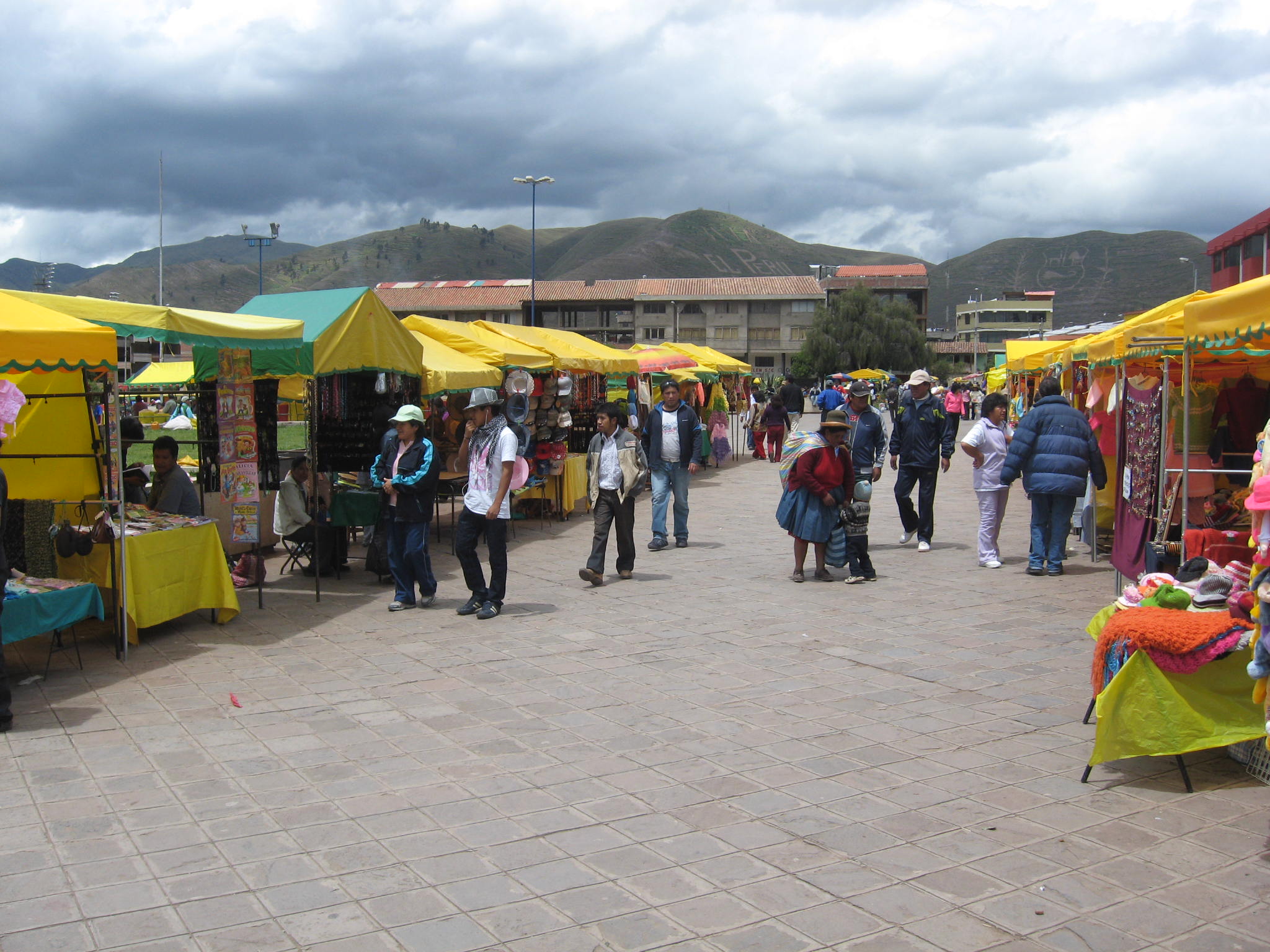
We bought their new camas at the weekend market on the Plaza Tupac Amaru. Unlike in the US, local markets still have a big economic significance here in Cusco. At the Plaza Tupac Amaru vendors sell anything from furniture to flowers, handicrafts, snacks, nectar de sabila, etc. Unlike the markets in the downtown area, this market is mostly for the locals, you typically only find a few gringos strolling around.

Sundays the market is rather quiet, on Saturdays it's busier

Sundays the market is rather quiet, on Saturdays it's busier

Village people coming to Cusco

That’s right, I don’t mean people from small villages like Accha, but The Village People, the 1970s disco band of “YMCA” fame.

Now Cusco has great nightlife, with live local bands playing bars and discos around the main square and in San Blas. But since I’ve been here, no big name bands have performed in Cusco, which is really surprising considering the amount of culture, history and fun-seeking tourists in the city.

Here’s my wishlist of rock ‘n roll bands who really, really, really ought to come and play in Cusco:

1) Bruce Springsteen. Fresh of his superbowl performance here’s a chance for “the Boss” to prove he’s really all about working people: play a free live show on the shores of Lake Titicaca during 4th Continental Summit of Indigenous People. Have some cervezas with Evo and fly back home to tell the bureaucrats at the State Department that Evo’s not all that bad after all.

2) Mark Knopfler. Just once I want to hear Love over Gold (translation: the reason I’m here) live.

3) Paul Simon. Supposedly Paul Simon spent some time in Cusco. He made the Peruvian song El Condor Pasa famous in the West in 1970, and consequently brought attention to Peru long before tourism here became mainstream. Plus, he’s from New York so maybe he can bring along some people who know how to make real pizza.

4) Peter Gabriel. You’re going to be in Lima later this month, why not take the 1 hour flight to Cusco and play a small gig here?

5) Last, but not least: what could be more Peruvian than this?

“The mountains and the canyons start to tremble and shake,
the children of the sun begin to wake.”

Led Zeppelin!!! The band was more into symbolism than any other I know, and Cusco is full of the symbolism of the Incas. Come on guys… I will make arrangements for you to play at Sacsayhuaman during Inti Raymi, the traditional midsummer celebration of the Incas, what could be more mythical than that?

One of my all time favorites, Jungleland, just begging to be performed in the jungle of Peru:

Feel free to add suggestions 😉

Celebrando mis 21 años…

lista para cantar...

lista para cantar...

Si pues, ayer celebre mis 21 años…pero de vida artistica. que cuantos cumpli? bueno como todas las mujeres dirian… Eso no se le pregunta a una mujer… asi que mi edad queda en secreto.
Como todos los años la pase con mi familia, prepare mis infaltables gelatinas, mazamorra morada, flan, pop corn y otros, yo se que estas cosas son para fiestas infantiles, pero como hace tiempo en mi familia ya no hacemos esto porque mis primos ya crecieron y como siempre me ha gustado comer estas cosas en los cumples, pues no dudo en prepararlos ya sea para mi cumple, la de mis hermanos, la de mi mama y ahora para el de Ward, y yo supongo que lo seguire asiendo por largo tiempo mas.
Algo que si cambiara en las celebraciones de mis proximos cumpleaños es que tendre alguien mas que me dara un abrazo pero no como mi tia, prima, sobrina , mama, hermana o amiga sino que sera mi hija quien este presente en estas celebraciones.

Summary / Translation:

In the best Peruvian tradition we celebrated Patricia’s birthday with food, drinks and family 🙂

Last day of class

The school where I teach English (ESL) is on a monthly schedule, like many of the private institutes here in Cusco. Last day of class is typically quite an experience and yesterday was no exception. This month my schedule was in the afternoon, when most students are teenagers, and here’s how it all went down:

  • I arrive about five minutes before class starts, when the students are feverishly copying each other’s workbooks. In true Peruvian fashion, they generally ignore my daily reminders not to wait until the last minute.
  • We get in the class and all the 15 year old girls pretend to really like me, tell me I’m the best teacher ever.
  • I go over everything that’s on the final exam. Most students ignore me entirely and instead make a feeble last-minute attempt at studying for the exam.
  • I hand out the exams and someone promptly asks me to explain the very same question that I was giving them the answers to about 30 seconds earlier… At that point I can’t help them because I’m busy tracking down the one student who tried to steal an extra copy of the test so he can sell it at Molino later.
C.C. Molino, a place full of pirated CDs, movies and ESL tests...

C.C. Molino, a place full of pirated CDs, movies and ESL tests...

I wish I hadn’t said that…

After I snatched the exam back from the kid who tried to make a profit of extra exam copies, one girl gave me a mean look because I wouldn’t explain to her the very same thing I was talking about a few minutes earlier… and that’s when I told her exactly how I felt. In no uncertain terms I explained to her this is my “fun job”, that I get paid as much to teach the class for an entire month as I used to make in 3 hours and that she better not give me any grief because it’s not worth it to me.

Shame on me 😦

Then I went home, graded the exams and saved the grades on a diskette. You read that right, a diskette. Some fool in IT conned the “Directors” into believing diskettes are somehow safer than email.

Teacher… I have to have a really good grade or else my family will…

When some kid fails class, it’s often a huge problem in their families. I wish someone would explain to parents here that it makes no sense to send their kid to the next class – where they won’t learn a thing – if they haven’t mastered the fundamentals in the class before. The point isn’t to get some arbitrary grade, but to be able to express your ideas in a new language.

“It’s not what you know, it’s what you do with your knowledge that matters.”

My best friend, Bert, used to tell me that, and he did more to bring an end to the Cold War than Pope John Paul II. It took me years before I actually started to believe him.

Here in Cusco kids study a lot of things, but they often don’t apply what they know. Many families want their kids to bring home good grades and fancy certificates from institutes all over Cusco, but none of that matters unless you actually apply what you’ve learned.

Overall I really enjoy teaching English. Most students like me because I’m a gringo, and for that same reason I can get away with flaunting all the petty rules our “Directors” make. Instead of teaching my kids good old fashioned values like the Directors want, I play loud rock ‘n roll music in class and tell them all to be rebels, not to accept the status quo in Peru but to fight against poverty, prejudice and the injustice of “haves vs. have nots” in society.

Then I walk out, smile at the old ladies who run the place and say “hola chicas”. Bert would be proud.

Cusco in rainseason

The weather in Cusco is generally mild, although it is not like anything I’ve experienced in the US or Europe. There are no Florida hot summers or Wisconsin frozen-car-battery winters. In Cusco you only have 2 seasons: dry season from April-November and rainseason the rest of the year.

During rainseason in Cusco it rains for a few hours every other day or so, but typically the rains aren’t heavy downpours. Since it is summer in the Southern hemisphere, temperatures are mild except during and right after the rains.

Traffic on Av. Cultura during rainseason in Cusco

Traffic on Av. Cultura during rainseason in Cusco

Green areas look nicer during rainseason

Green areas look nicer during rainseason

The mountainous terrain and generally lousy building codes / civil engineering here make for a wet and dirty city during rainseason:

The Incas were great architects, but that was long ago.

The Incas were great architects, but that was long ago.

Worship the sun

Visit Cusco and you’ll understand why the Incas worshipped the sun: since the city is at an elevation of 3,400 meters (11,000 feet) there is little protection from the sun. During periods of sunshine the temperatures are mild but us gringos need hats, sunglasses and sunscreen to keep from getting a severe sunburn.

As soon as the sun goes down, it gets colder than the proverbial witch’s boob – or wizzard’s balls for the emancipated crowd. The coldest months are May – June, when the days are shortest here in the Southern hemisphere. Since there is no heat in most houses, when it is cold outside it’s also cold inside. It’s not unusual to wear a scarf inside the house, as I am right now.

What to bring:

If you’re planning to visit Cusco, bring some light clothes to wear when it’s sunny and a warm jacket for nighttime. Hundreds of vendors will try to sell you chalinas (alpaca scarfs), chullos (typical Peruvian hats) and sweaters, so you can get those here instead of bringing them in your luggage.

Looking for names of Inca princesses

In an instant I’m no longer the guy who tells tall tales of flying old airplanes or traveling the world. I’m now the guy who shows baby pictures:

5 months - Thank goodness she looks just like her mommy!!!

5 months - Thank goodness she looks just like her mommy!!!

2 big tummies

2 big tummies

We found out yesterday that everything is going well with nuestra calatita and it’s going to be a girl !!!. Suggestions for girl names are welcome, since everyone told Patricia up to now it was going to be a boy, she was looking mostly for boy names…

Due date is June 14, so we’ll keep up the news on what it’s like to have a baby in Cusco, Peru 🙂

Help us out. Patricia speaks Spanish and English. I speak Dutch, English and some Spanglish. My parents speak Dutch but Mama Vicky prefers Quechua… Please vote:

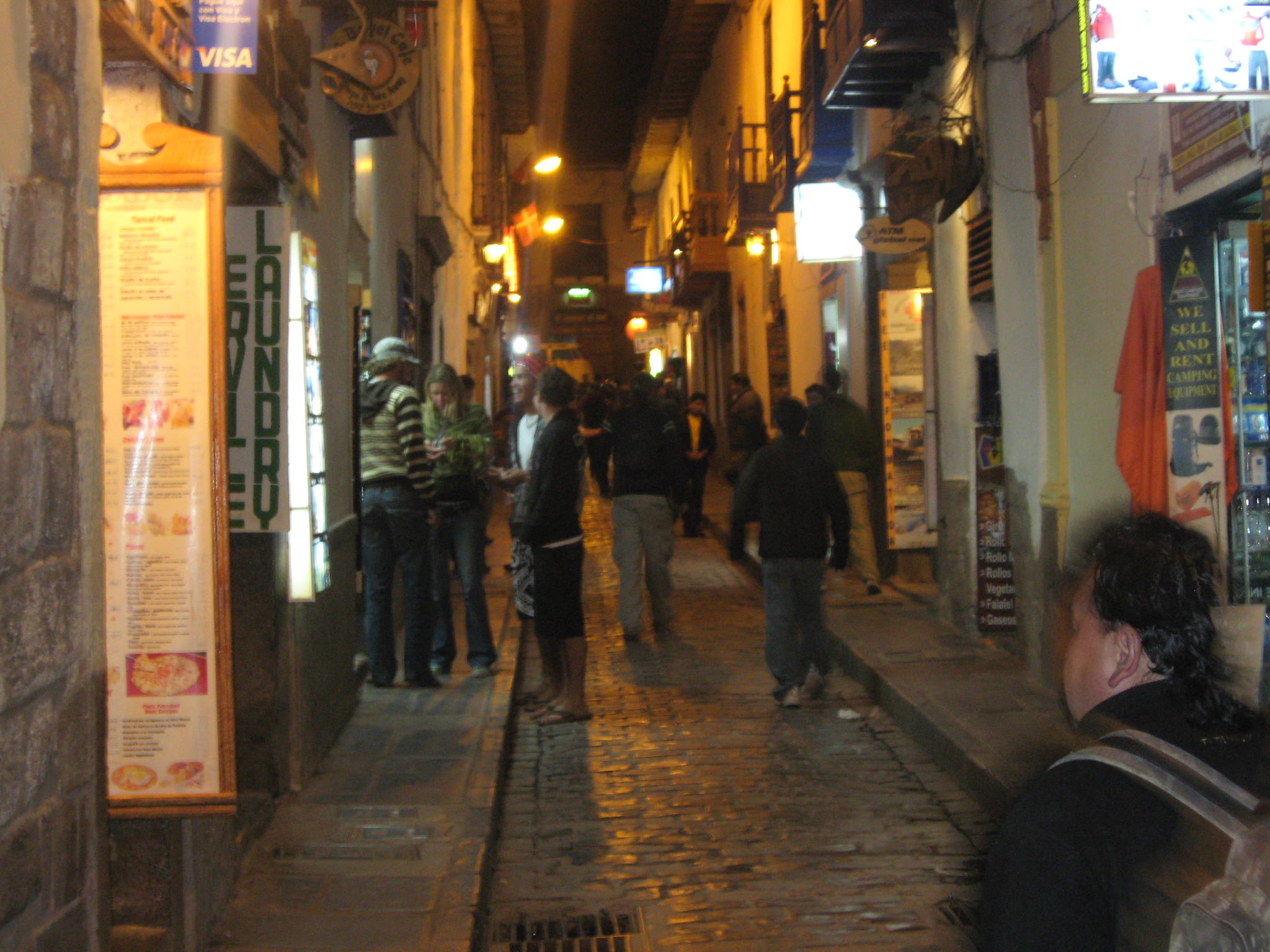
Nectar de Sabila

This weekend I spent 4 Neuvo Soles on a bottle of “Nectar de Sabila” at the local market here in Wanchaq. This concoction is some type of cactus juice that, according to its producers, has both nutritional and healing properties. The label states:

“Nectar de Sabila presenta caracteristicas nutricionales ademas se puede recomendar con propositos curativos: ejerce una funcion analgesica antiinflamatoria cicatrizante y antibiotica.”

The part I find most interesting is the claimed anti-biotic properties. The nectar is produced here in Cusco “por la asociacion de productores y transformadores agro industriales Kay Pachapi Llank’ay“. Anyone who speaks Quechua please tell us in the comments if that name has any meaning.

Nectar de Sabila by Natunec, Productos Ecologicos

Nectar de Sabila by Natunec, Productos Ecologicos

The recommended use is a half a glass before or after breakfast, so I’ve been faithfully sipping my cactus juice every morning. It doesn’t taste quite like fruit juice, but not medicinal either, it actually tastes pretty good.

Natural medicine is popular in Peru. Hotels and chamans offer ayahuasca sessions and many typical Andean or Amazon plants are believed to have healing powers, the most famous of these is, of course, the coca leaf.

I’m honestly not a huge fan of the so-called natural medicine here in Cusco, because it is very commercialized for the tourists, just like anything else here in the city. Once you leave the main tourist area in Cusco behind, I do find it fascinating to learn about the healing powers believed to exist in the culture and nature of the Andes.

Nectar de Sabila

Nectar de Sabila