Reunion de compañeros de la UNSAAC

Despues de casi 9 años mis compañeros de codigo de la Facultad de Economia nos reunimos para revivir buenos momentos de la epoca universitaria, muchos de ellos ya tienen trabajos, planes de formar sus propias familias (claro yo fui una de las primeras en haber empezado con lo de la familia…), algunos de ellos ganaron algunos kilitos de mas y otros estan teniendo un futuro por delante en paises del exterior. La reunion empezo a las 7:30pm, pero como buenos peruanos todos llegamos tarde, el reencuentro se llevo a cabo en un karaoke llamado Milenium, segun yo el lugar estaria vacio pero me lleve con la sorpresa que en el local este ya no entraba ni un alfiler…al llegar, algunos de mis compañeros ya estaban en el lugar deleitando a los presentes con sus mejores voces, despues de oir esto mis planes de cantar se fueron al tacho, porque me tope con muchos cantantes frustrados.

Lamentablemente, no todos los de mi codigo asistieron a la reunion, pero se logro convocar a 15. Fueron momentos agradables ya que todos hablabamos de las cosas que hicimos de “cachimbos” y en los años posteriores…ahora, los planes son realizar otro encuentro de codigo para fines del 2009, pero con mas asistentes….
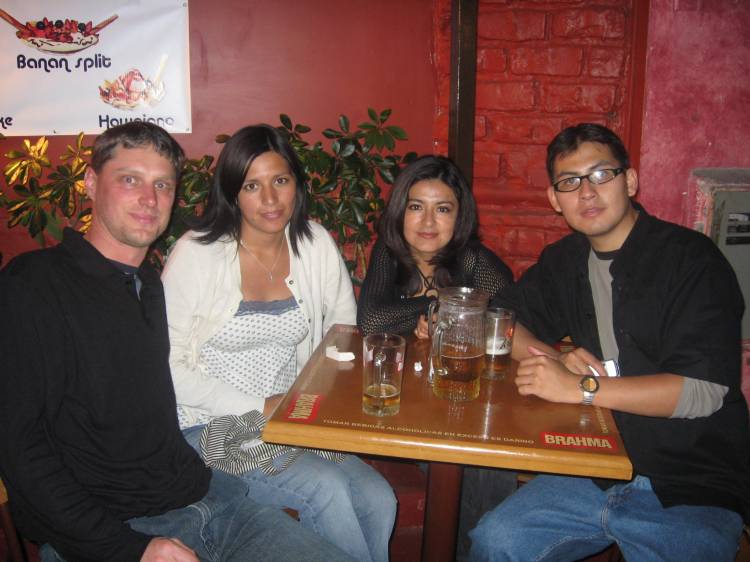
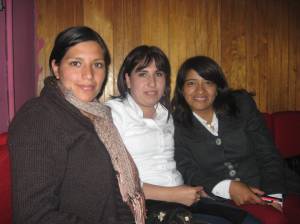
Con los compañeritos

Con los compañeritos

Mi querida Helvi deleitandonos con su voz
Mi querida Helvi deleitandonos con su voz

Sonrian chicas
Sonrian chicas

Happy 2009!!! New Year’s Eve in Cusco, Peru

Feliz Año Neuvo! Last night we celebrated the New Year at the Plaza de Armas and a pub called Norton Rat’s here in Cusco. Old married folks like us don’t celebrate too hard, but we had a fun time anyway 😉

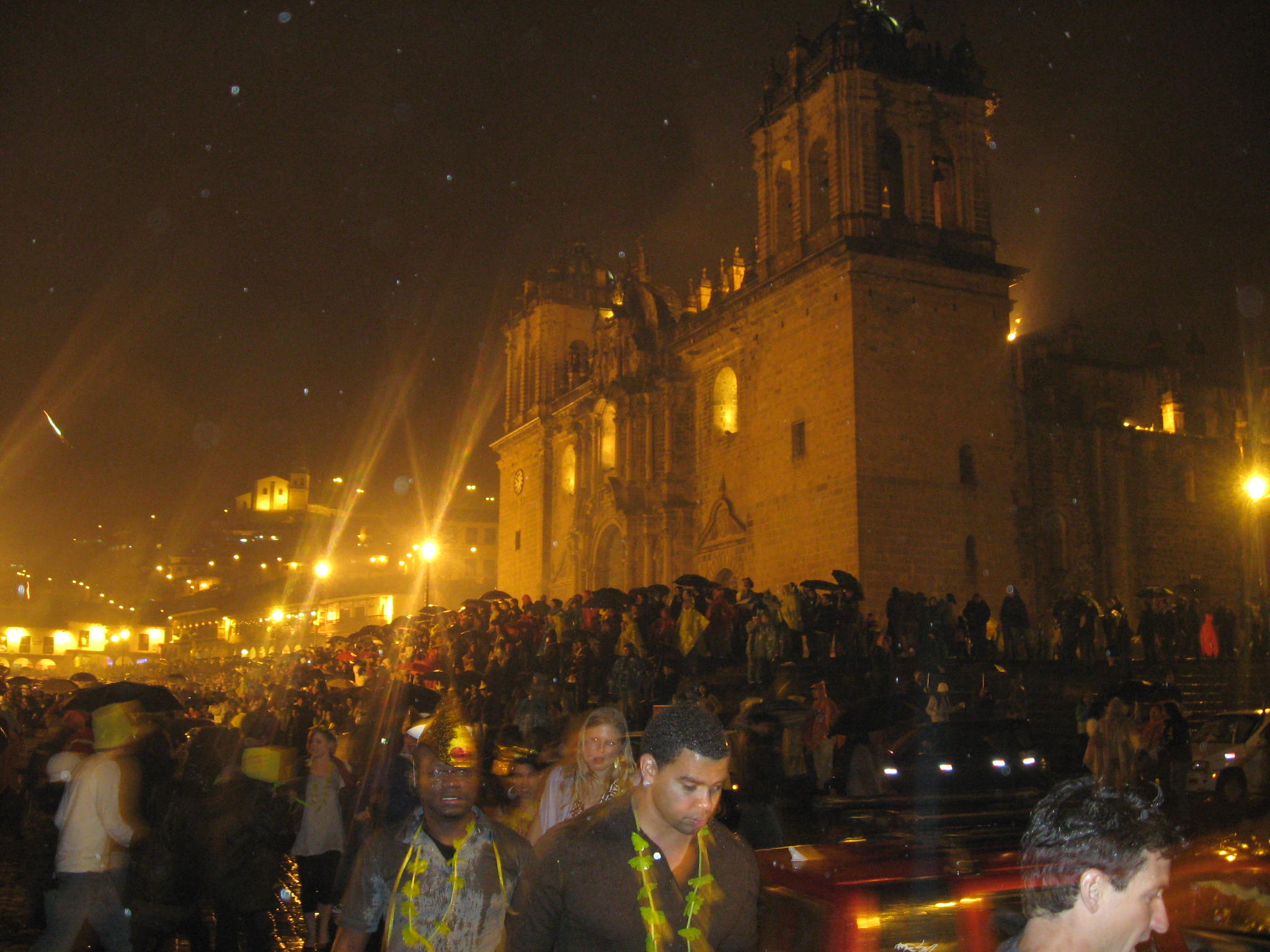
Here in Cusco thousands of people gather at the Plaza de Armas on New Year’s Eve. Exactly at midnight the famous Maria Angola bell on the Cusco Cathedral rings in the New Year, and the crowd circles the Plaza de Armas, which is supposed to bring good travels for the next year.

The famous Maria Angola bell on the Cusco Cathedral rings in the New Year

The famous Maria Angola bell on the Cusco Cathedral rings in the New Year

New Year’s in Peru is all about YELLOW. Yellow hats, yellow leis and most of all… yellow underwear! That’s right, one of the traditional beliefs in Peru is that wearing yellow on New Year’s Eve brings good luck for the New Year.

Some of the Peruvian New Year’s traditions I’ve seen so far are:

  • Eating 12 grapes at midnight for good luck.
  • Putting some coins in the corners of the house for good fortune.
  • Wearing yellow underwear!

Fireworks are sold legally all over the city, so New Year’s Eve in Cusco is not for the faint of heart. Since we are now well into rain season, it was also raining all night, which didn’t really spoil the fun.

New Years Eve at the Plaza de Armas in Cusco, Peru

New Years Eve at the Plaza de Armas in Cusco, Peru

Inside Norton Rats on New Years Eve

Inside Norton Rats on New Years Eve

Manchita decided to drink her 12 grapes at midnight - JUST KIDDING!!!

Manchita decided to drink her 12 grapes at midnight - JUST KIDDING!!!

Despite the rain we had lots of fun.

Happy 2009 to all!!!
Feliz Año Neuvo!!!
Gelukkig Nieuwjaar!!!

Christmas in Peru

This year was my second Christmas in Peru. Like in the US and Europe Christmas here in Peru is a time for family and celebrating the birth of Christ Jesus. Of course Christmas in Peru also means food, gifts, fireworks and watching “Home Alone” 1, 2 and 3 for the 23rd time.

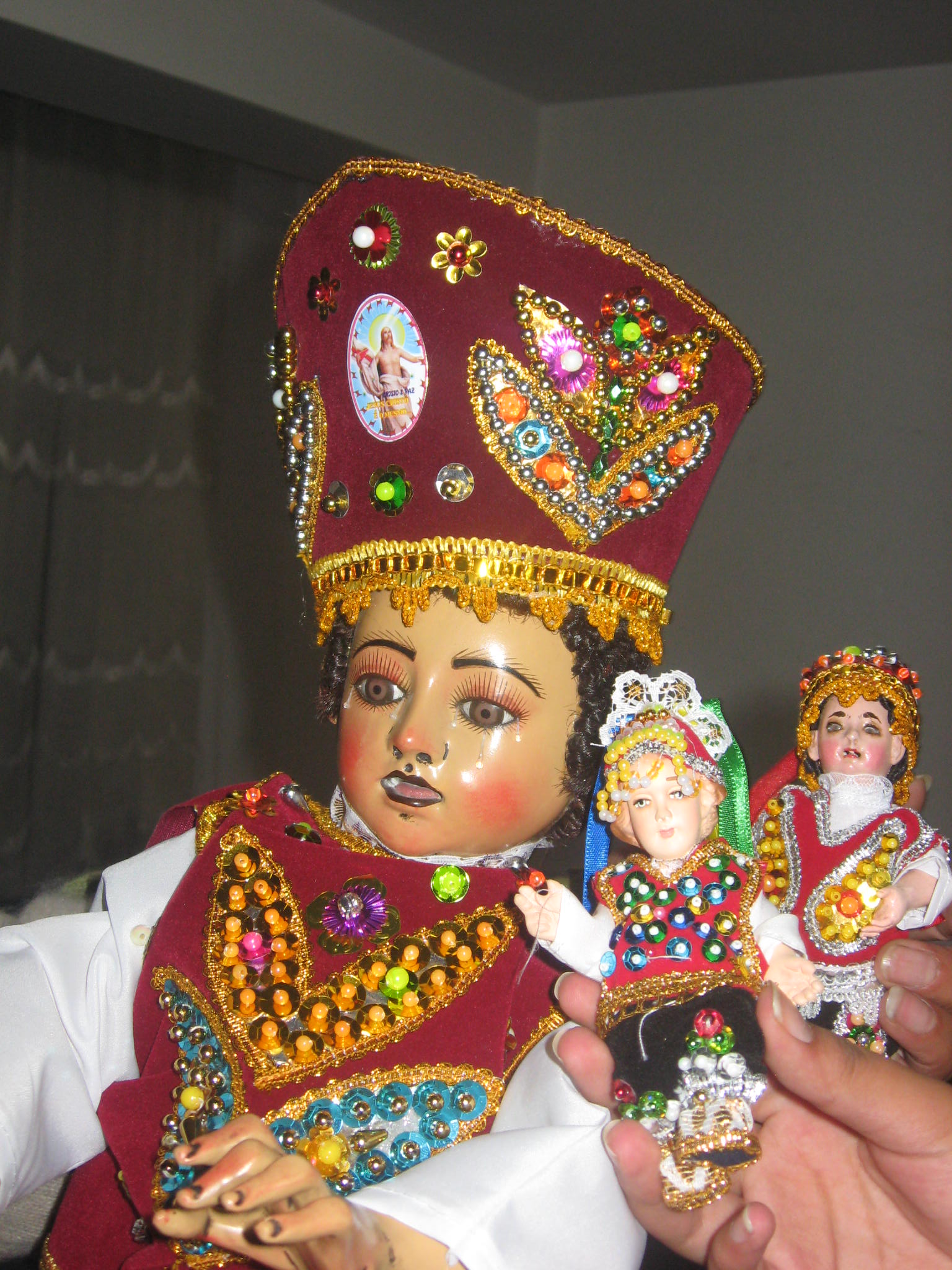
One interesting aspect of celebrating Christmas in Peru is how the traditional Andean religion and culture has blended with Christianity. For example, church altars are often adorned in gold (a throwback to the Inca’s time) and a very typical Peruvian “baby Jesus” figure is used in nativity scenes.

Typical Peruvian baby Jesus figures, Niños

Typical Peruvian 'baby Jesus' figures, known as 'Niños'.

Peruvians celebrate Christmas eve (“la Noche Buena”) with a dinner, followed by an exchange of gifts and fireworks at midnight. The traditional Christmas meal is turkey, and in the weeks leading up to Christmas the typical treat is hot chocolate with a sweet bread called “Panettone”.

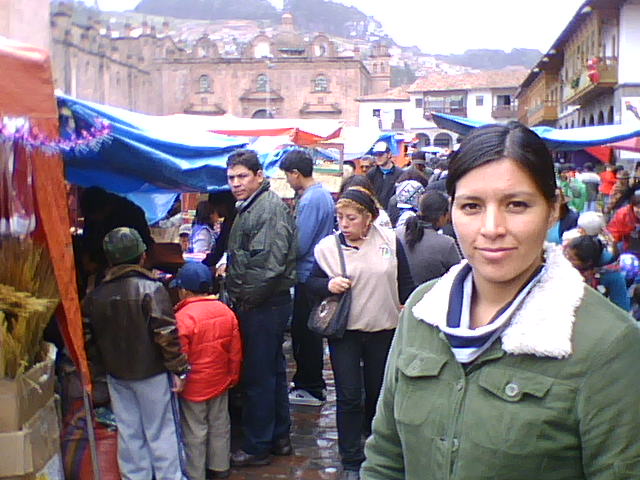
I’ve noticed a lot of “Santa” images and figures, but Peruvian Santas don’t seem to follow the US tradition of putting gifts under the tree at night – gifts are simply exchanged between family and friends on Christmas eve. Unlike in the US, Christmas shopping in Peru is typically done only in the last week or even last few days before Christmas.

Last minute Christmas shopping at the Plaza de Armas in Cusco, Peru.

Last minute Christmas shopping at the Plaza de Armas in Cusco, Peru.

Overall we had a great Christmas, wishing everyone all the best.

Ward Welvaert

My first earthquake

A few days ago we had a tiny earthquake (temblor) here in Cusco. To be honest I didn’t believe it was an earthquake until I heard mention of it on the radio the next day.

Peru is prone to earthquakes. The last major earthquake in Cusco was in 1950, I found some great photos of the 1950 Cusco earthquake on Amazilia Alba’s blog.

One of my favorite lines of the Led Zeppelin song “Going to California”:

“The mountains and the canyons start to tremble and shake
The children of the sun begin to wake”

I use this song often when I teach ESL at ICPNA. I ask the students to figure out which part of the lyrics could be about Peru. The reference to earthquakes is obvious, and the Incas used to worship the sun. Typically my students do pick up on the idea that “children of the sun” could refer to Peruvians.

Of course, you can interpret most Led Zeppelin songs any way you like, that’s part of the beauty of it. On the ICPNA teacher’s blog I wrote about how I use the song in teaching.

Going home…

I spent a few days in the US last week and returned to Peru using my carné de extranjería for the first time!!!

On the flight back, as I walked down the airstair and across the airport ramp here in Cusco, I caught myself humming “Going home”… Rather interesting subconscious association I thought, for a Belgian guy who lived in the US for 15+ years, now strolling “home” to his beautiful wife in Cusco, Peru.

Here’s the song for your entertainment. Keep in mind like all of my music on this blog it’s very artsy rock music. If you’re not into that kind of thing… well I’m terribly sorry you were born too late for great rock and roll music 🙂

Mining and environmental protections in Peru

CNN recently featured the “La Oroya” case on its “Planet in Peril” series. Mining (“la mineria”) is quite controversial here in Peru, being one of the country’s largest industries but also one with a mixed environmental record. I’m seeing some local opposition to the environmental impact of mining, for example we noticed this sign on the way to Accha:

A roadside sign opposing mining near Sangarara, Peru.

A roadside sign opposing mining near Sangarara, Peru.

One thing I hope for is that when taxpayer money is soon handed out to the US auto industry there are strings attached in terms of environmental protection (the metals processed at “La Oroya” are used in industries such as auto manufacturing).

DE VUELTA EN LIMA

Hola a todos:

Bueno por milesima vez Ward y yo viajamos a Lima para hacer no otra cosa que tramites, esperando que esta sea la ultima en la categoria “TRAMITES”. Fuimos a sacar el bendito carne de extranjeria de Ward, segun algunos conocedores del tema nos dijeron que esto no duraria mas de tres dias, al llegar a Lima nos dijeron lo contrario, todo el papeleo duraria 7 dias…pero el tiempo era muy extenso para nuestros planes ya que mi querido esposito tenia que viajar a los Estados Unidos el miercoles a las 10 am, gracias a Dios y a los poderes del mas alla su vuelo se postergo para el jueves a las 00:00 horas lo cual nos dio al menos un dia mas… tuvimos que recurrir a las oficinas pidiendoles que por favor agilizaran los papeleos porque no teniamos mucho tiempo, despues de la odisea por la que atravesamos Ward finalmente obtuvo su carne de extranjeria.

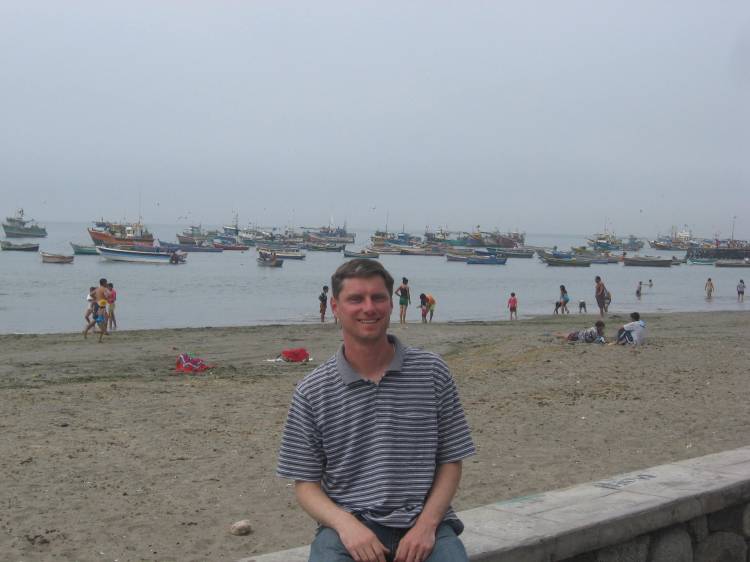
Como Ward y yo habiamos salido de Cusco el sabado, tuvimos tiempo para darnos un saltito a Ancon, este lugar que alguna vez fue el lugar favorito de la gentita cool de Lima, ahora es el lugar favorito de aquellos que no son tan cool como diriamos. Este balneario aun mantiene los condominios que albergaron y que yo supongo siguen albergando en algun momento a aquellos que convirtieron Ancon en un lugar exclusivo. Nos tomo como dos horas llegar a este lugar ya que tomamos el servicio publico el cual paraba y paraba en cada esquina y era de nunca acabar, pero al final logramos llegar a lo que se convirtio en un reto, ya que cada vez que ibamos a Lima siempre quisimos ir a Ancon pero no se daba la oportunidad.

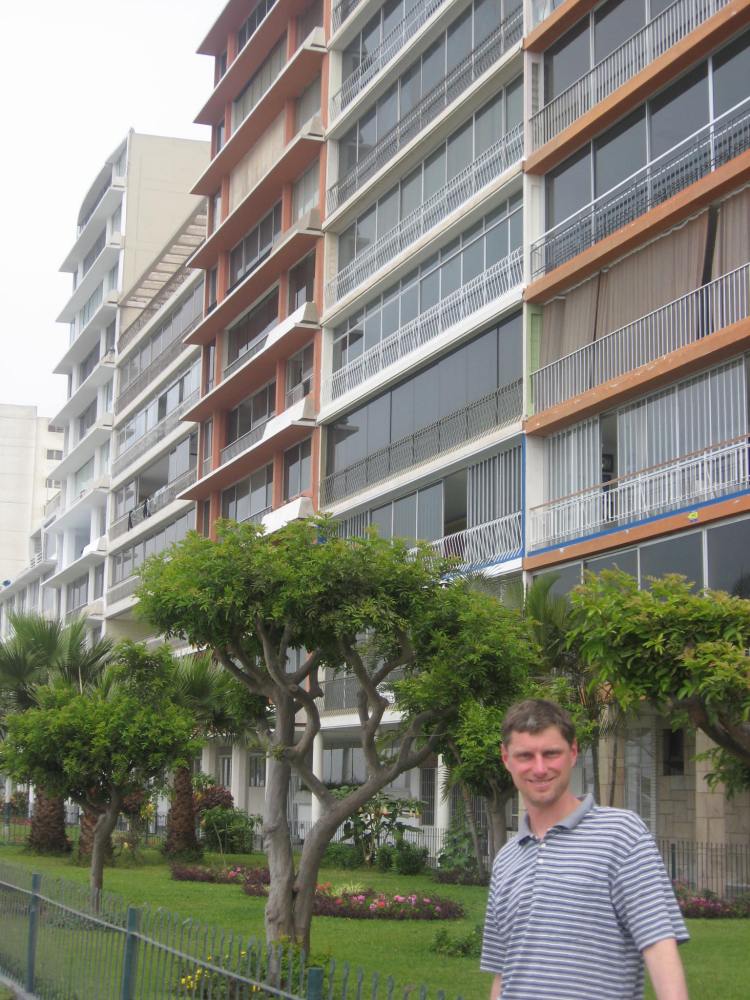
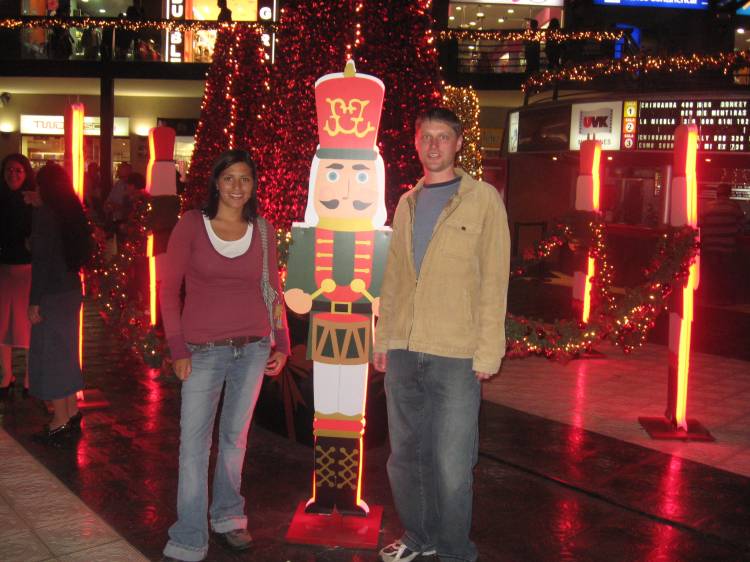
El reencuentroWard en AnconAnconNavidad en Larcomar

Carne de extranjeria Peru

I finally got the Peruvian resident visa, better known as carné de extranjería, so now I can live and work in Peru more easily. The entire process took over a year, first nearly 6 months to get legally married in Peru and then 6 months to obtain the “carne extranjeria”.

For me, obtaining this semi-permanent admission into the fine population of Peru was hopelessly complicated by the facts that (1) we were living in Cusco, not Lima where all the bureaucracy is and (2) I am a Belgian citizen who’s lived his entire adult life in the US, which made it more difficult to get original documents. You can read the first post on this blog for the silly-but-true story of how a Belgian guy met a Peruvian girl while living in the US, and ended up back in Peru!

OK, got to go now. I have to do some work to pay for all those fees we paid to the “Banco de la Nacion” over the last year or so 🙂

Ward

IPCNA Cusco ESL teachers blog

I finally got around to putting some content on the new ICPNA teachers’ blog. Since I’ve had good luck using this blog in my classes our academic director and I decided to start a blog for use by the ICPNA teachers as a group. Here are the links:

ESL teaching is my “fun job” here in Peru, I’m by no means an expert in the field. So please, visit the blog and contribute your ideas!

Ward

My ESL students at ICPNA in front of the Qoricancha in Cusco, Peru

My ESL students at ICPNA in front of the Qoricancha in Cusco, Peru

Always a rebel – My take on corporate culture in Peru

This weekend during our staff meeting at ICPNA my boss had to devote an entire slide in her presentation to the various rules and policies I tend to play fast and loose with, such as no jeans or sneakers allowed, no food in the classrooms, etc. While she was very kind not to mention me by name, the fact that I’m the only teacher who wears jeans and sneakers 4 days a week made it rather obvious who the culprit was…

To be fair, ICPNA, which is associated with the US embassy in Lima, is an excellent place to work. There’s a friendly atmosphere, a great group of teachers and my boss is always receptive of our ideas and suggestions.

I love all things Peruvian and I’m sure there are many great leaders and great places to work in Peru. However, I’m not naive to the poverty and needs of many people here, and I believe Peruvian corporate culture is a major reason why many in Peru live in poverty or have a miserable work experience:

  • Employees are not regarded as a valuable asset to the business and leadership in many places is totalitarian. As a result, employee participation and individual accountability is very limited, as is innovation and entrepreneurship.
  • Discrimination on the basis of age or sex is commonplace, as is lack of opportunity for people with disabilities. Just look through any employment classifieds.
  • Lack of employee development. Many of my students are not allowed a flexible work schedule to attend class, even though they are learning a skill which is absolutely vital to any business here in Cusco.
  • Lack of environmental awareness and occupational safety in some industries. Read Corey Laplante’s blog about the La Oroya case.
  • Old fashioned and petty rules, such as dress codes, which don’t add any value to the business. Even GE and IBM, some of the most conservative companies in the US, did away with dress codes 30 years ago. Their thinking was employees should have something more productive to do than look at the pants or shoes their coworkers are wearing.
  • No long term vision or leadership. While India became the global IT hub and Asia became the world’s manufacturing base Peruvian middle managers were mired in bureaucracy – not to mention, busy worrying about their employees jeans or sneakers! Read this blog entry about out-of-touch leadership.

Class exercise for ICPNA I-12:

So what do you think, agree or disagree? What are the high-level values businesses in Peru should have today to be successful and improve the way of life in Peru? Read about the culture and values at some successful companies such as SAS, Southwest Airlines or GE – where I spent nearly 5 years.

Speak your mind, what are your thoughts or comments?