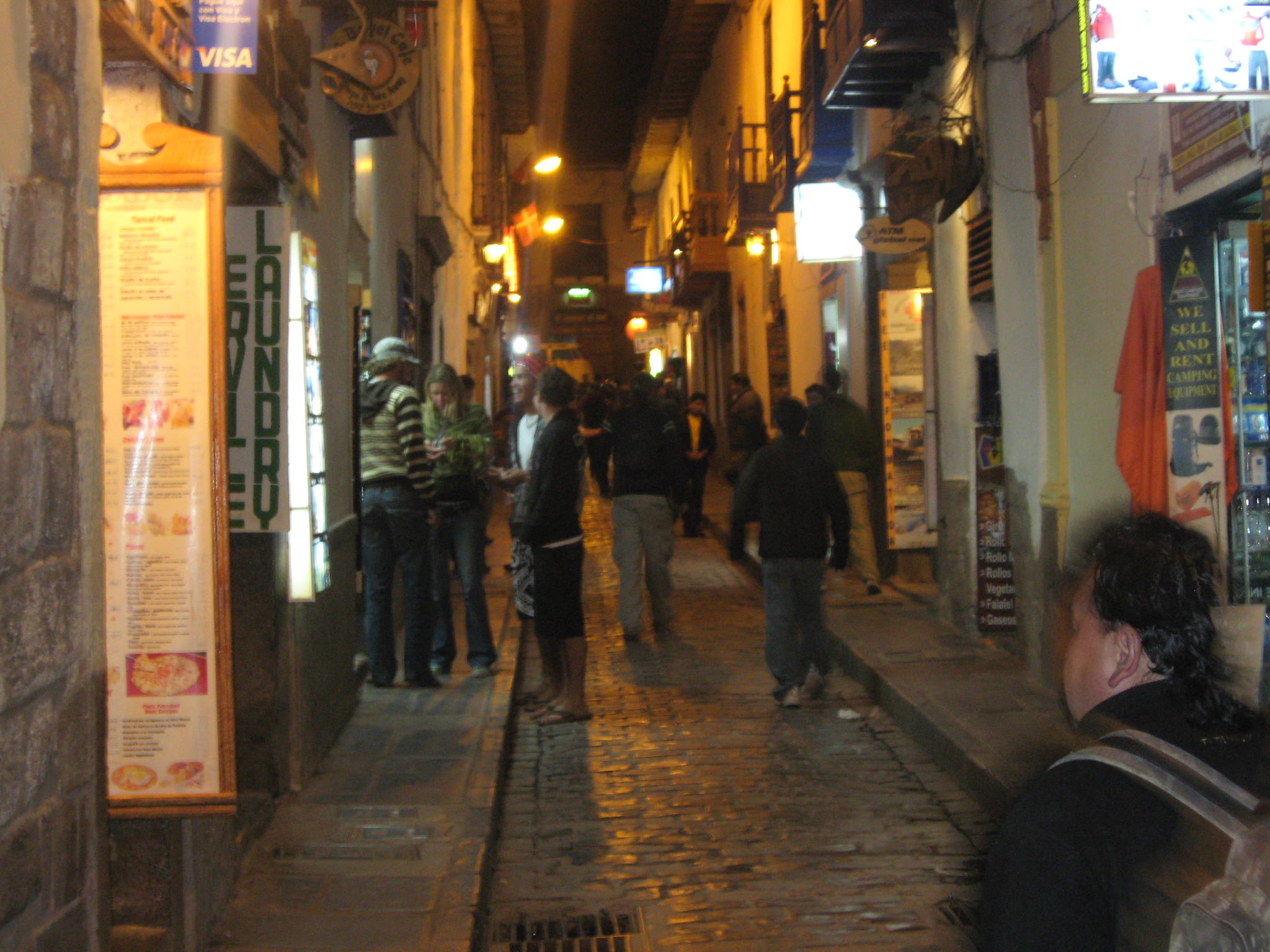
I took a walk through Calle Procuradores on the way home last night. Procuradores is a narrow street on the NW side of the Plaza de Armas in Cusco. There are a lot of small bars and restaurants on Procuradores, but to locals it’s known as the bad part of the Plaza de Armas because it’s the main hangout for the small-time drug dealers who peddle “weed” and cocaine (“Charley”) to the tourists.
Calle Procuradores seen from the Plaza de Armas, Cusco
Calle Procuradores, Cusco
Calle Procuradores looking towards the Plaza de Armas
Unfortunately local authorities don’t do anything to clean up Procuradores. I imagine plenty of kickbacks keep the status quo in place. It’s sad really, that people who come to a beautiful place like Cusco, with all of its attractions, entertainment and nightlife, still feel the need to fry their brains with cocaine to have a good time.
A friend of mine, alias “C”, was in town for a visit last week. Check out his story, a must read. While your visit will (should) likely be much more uneventful, his account gives you a good idea what to expect in Cusco from the viewpoint of a young, single guy.
My comments:
“C” is absolutely right that visiting the tourist areas of Cusco and Machupicchu does not constitute knowing Peru.
Service in the tourism industry here can be mixed, to say the least. Sounds like “C” got the typical treatment on the city tour: because you’re a gringo we’ll nickel-and-dime you to death.
Last I checked (about a year ago) you could buy a “city touristic ticket” for around 25 Nuevos Soles, and it gives entrance to nearly every tourist site around the city (including Sacsayhuaman). Instead of taking a city tour, just take a walk around the city yourself. “C” posted a pretty good list of places to see in Cusco on his blog.
I like Sacsayhuaman, but I agree listening to the tour guides can bore you silly.
Around the Plaza de Armas and San Blas you do find a ton of “gringos” in the bars and discos. But the residential areas where you can find bars and discos packed with mostly locals are only a few blocks away. Best to go in a small group though.
Sicuani is really not the smallest, poorest town around. It’s actually pretty representative of a provincial Andean town. If you really want to know how people live in the Andes of Peru, just take one of the local busses (like “C” did) and talk to some of the people. The bus “C” took was not for poor people per se, it’s what ordinary Peruvians use to travel in the provinces.
Final thoughts:
Your visit should by all means be less eventful than “C’s”.
If you do get in trouble, there is a “tourist police” agency on the Plaza Tupac Amaru.
Don’t drink like you’re at home. The elevation in Cusco is 3,460 meter (~11,000 feet), or about twice as high as Denver. Being away from home, combined with thin air, alcohol and bricheras makes for some wild scenes at the nightspots in Cusco.
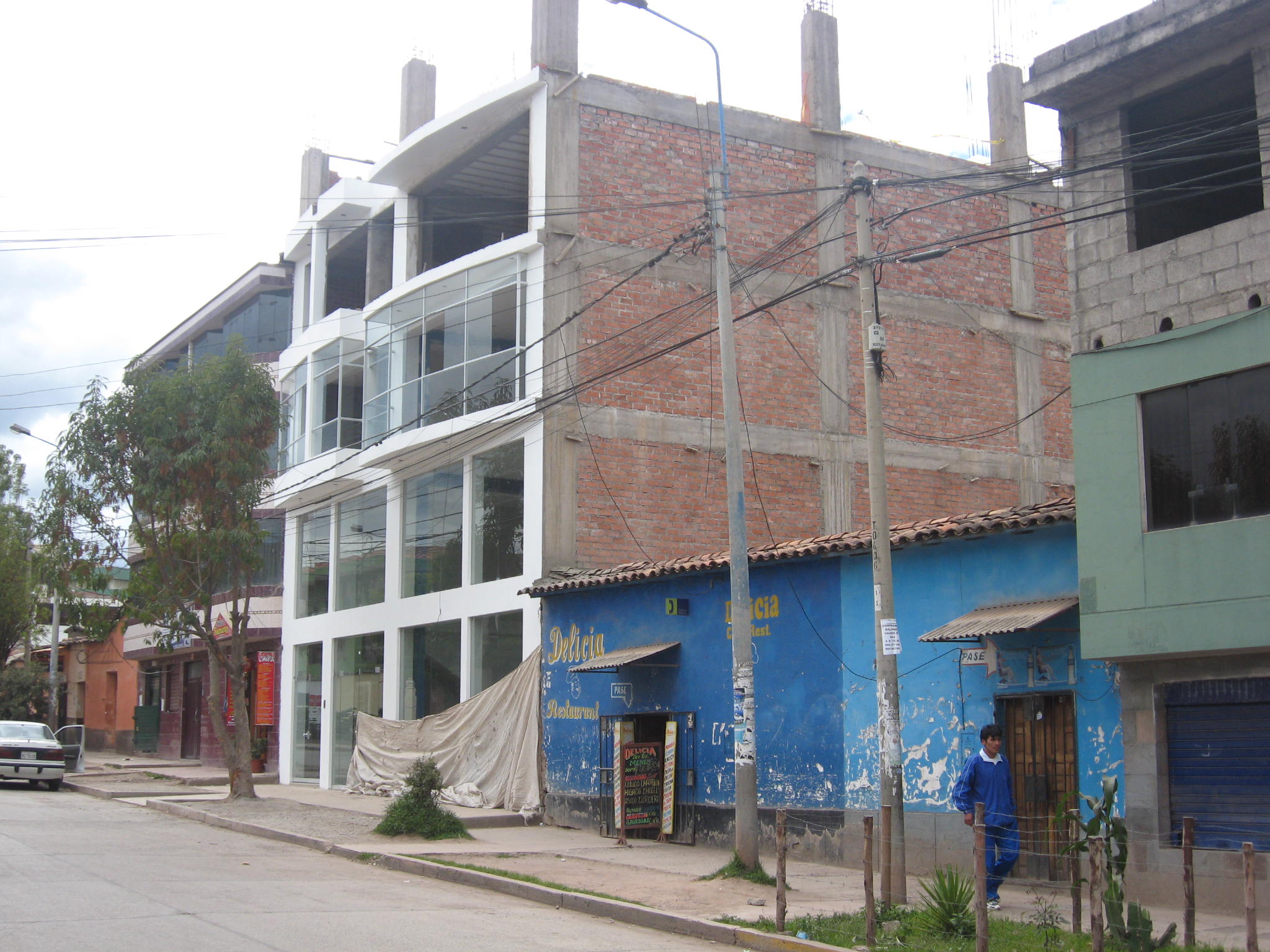
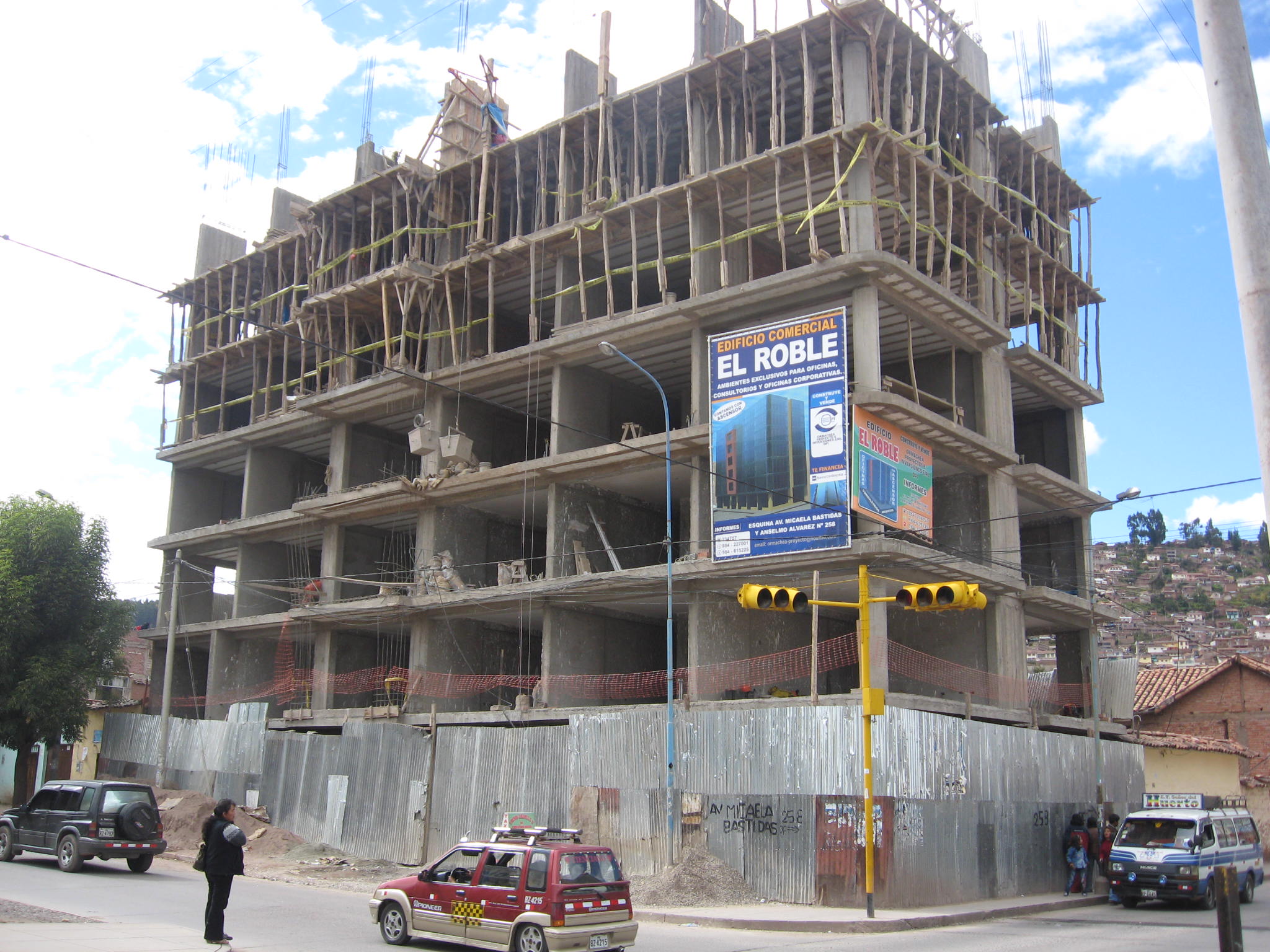
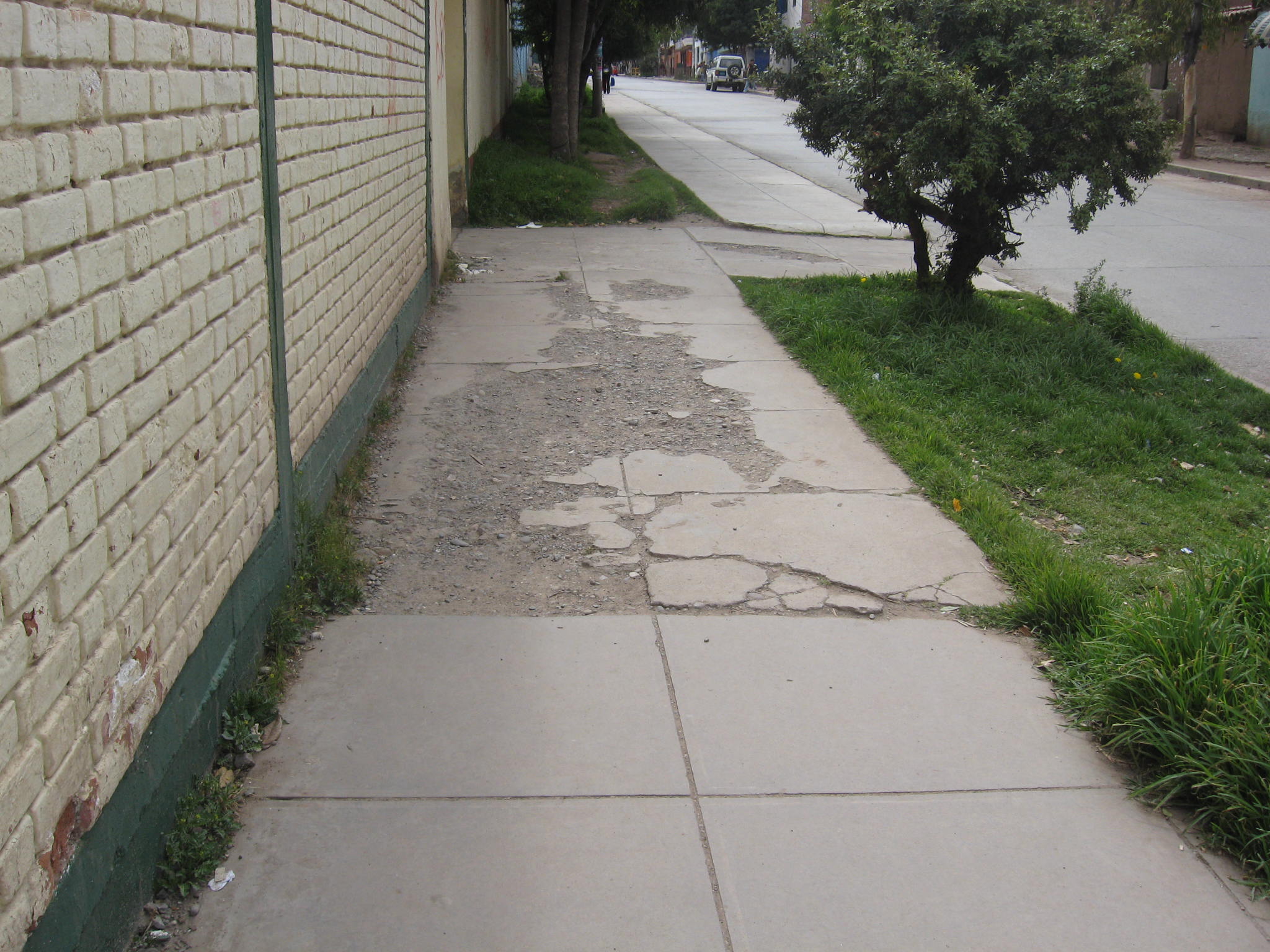
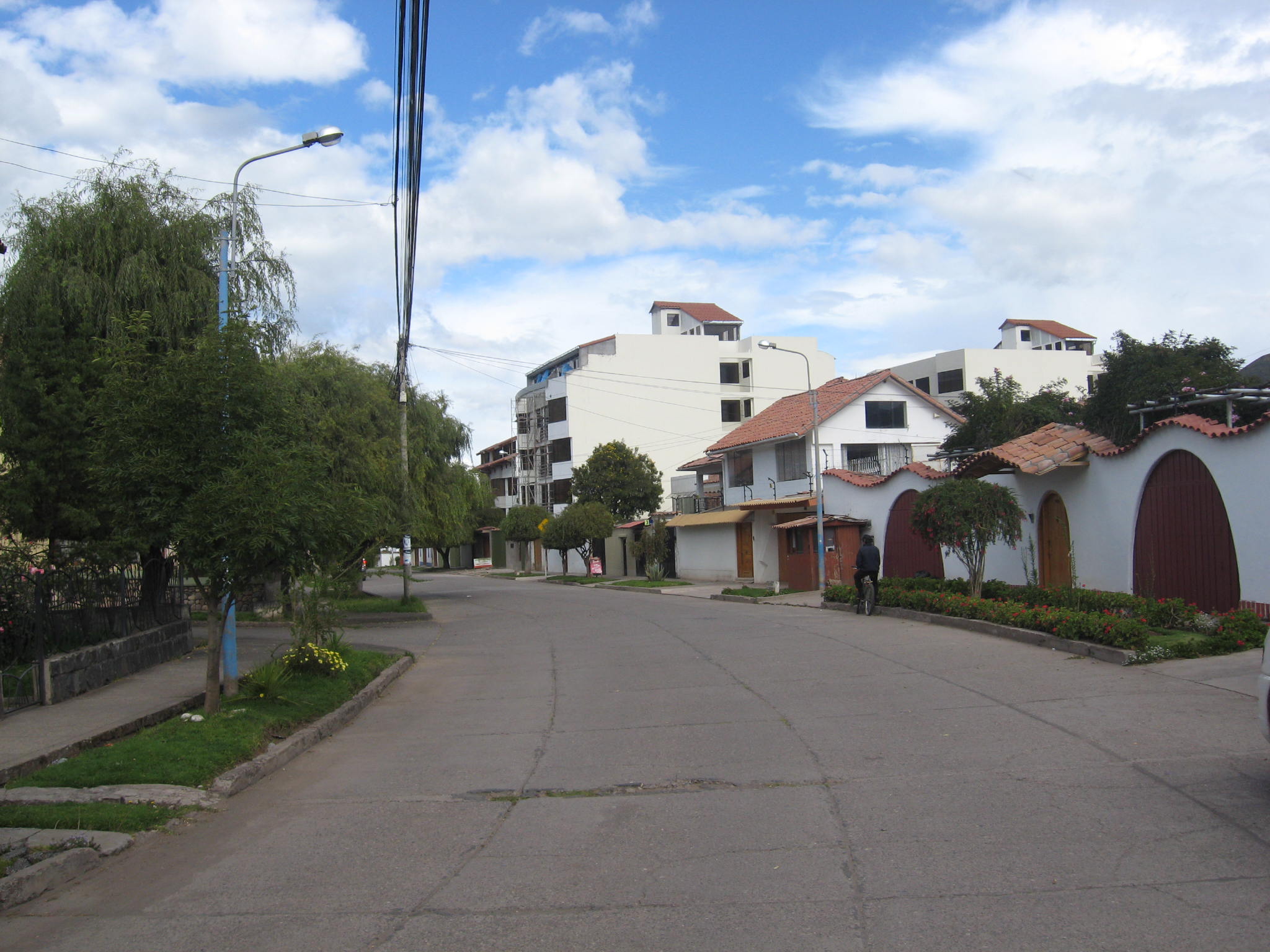
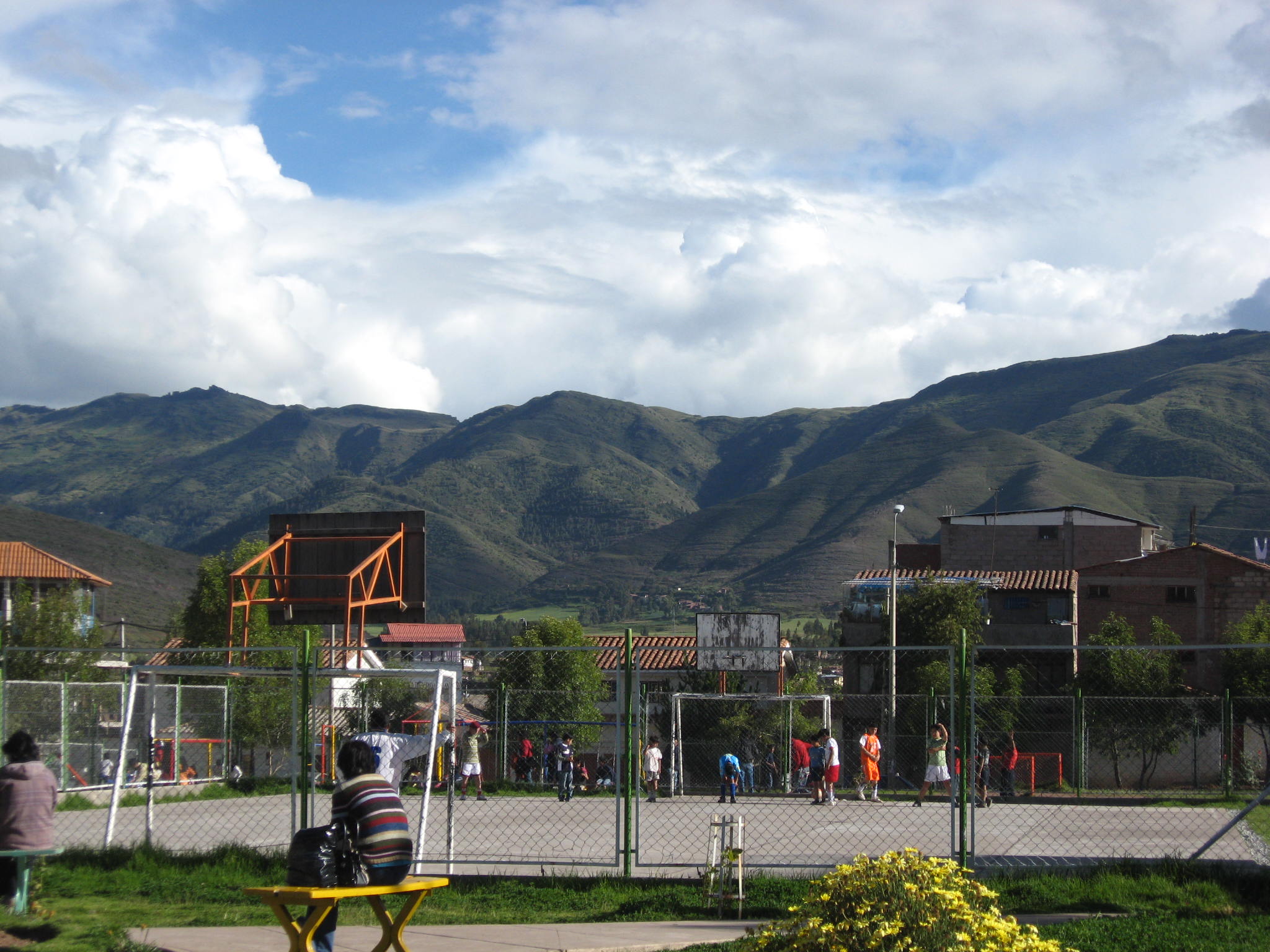
We took a walk through some residential areas of Cusco on Sunday. Wanchaq, our neighborhood, is a fairly nice, middle-class part of Cusco. Some of the nicest residential areas of Cusco are Larapa, Magisterio and Huancaro Residencial. There are also poorer neighborhoods both near downtown as well as on the outskirts of the city. The residential areas of Cusco are growing fast, new buildings are going up everywhere. True to Peruvian form, some unfinished buildings linger around for years.
Cusco is an expensive city by Peruvian standards, thanks to the tourist industry. The cost of real estate is entirely out of line with personal incomes. Asking prices for nice apartments easily exceed $50,000. Consequently, as in all of Peru, it’s not uncommon for 2 or 3 generations of a family to share a home, which is also why you find lots of young couples making out in public places.
These are pictures of middle-class residential areas in Cusco. I’ll try to get some pictures of the other districts later.
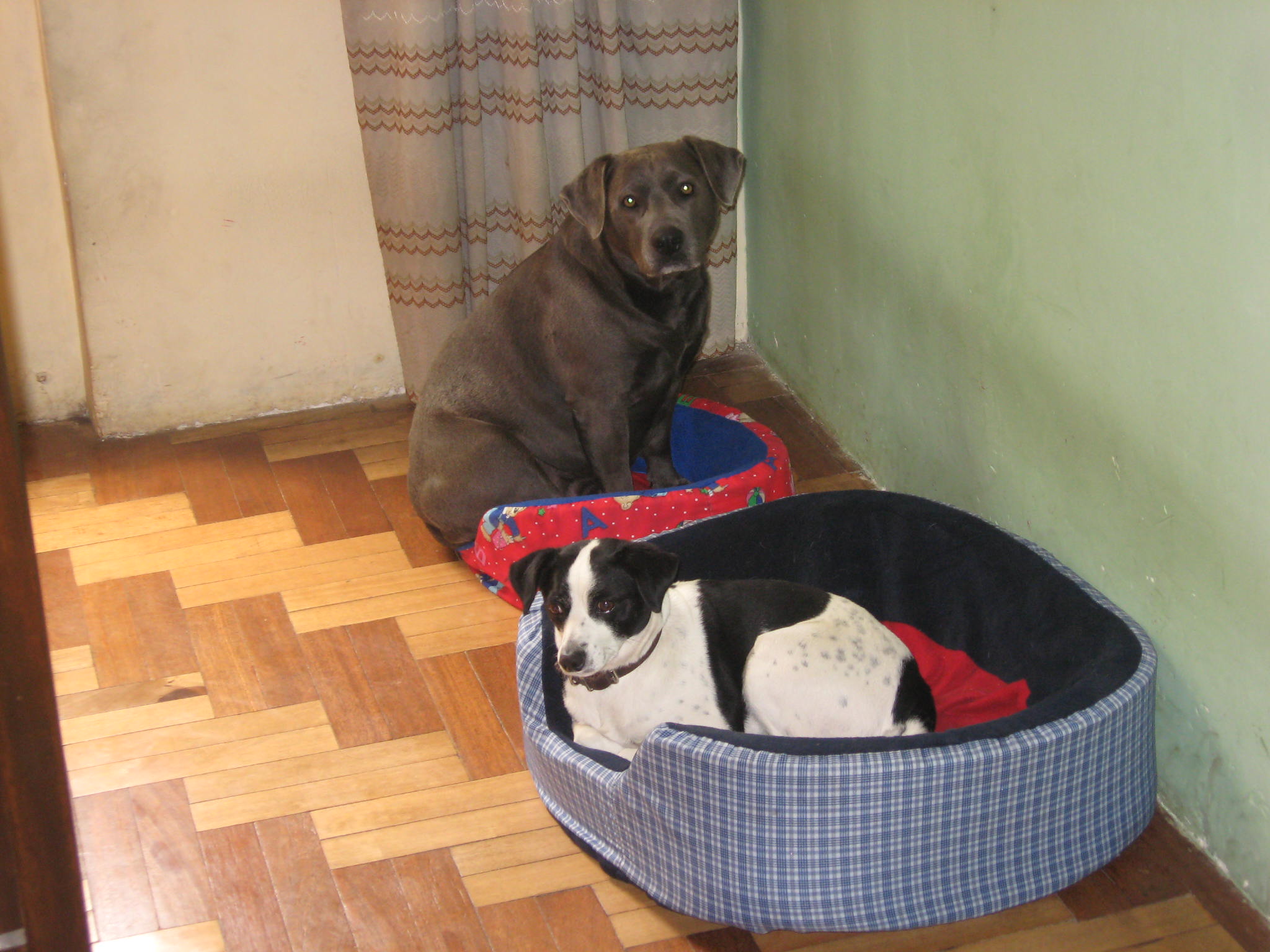
We spent 60 Nuevos Soles (about $20) to buy new doggie beds for our bi-national, US-Peruvian mutts this weekend. Here’s how they ended up:
Roxi and Manchita
Funny how Manchita’s big bottom doesn’t quite fit in Roxi’s bed. Manchita looks tough but Roxi is a bossy little terrier, and she’s also older than Manchita. We think Manchita is a Blue Pitbull, but without Roxi around she’s just a big baby.
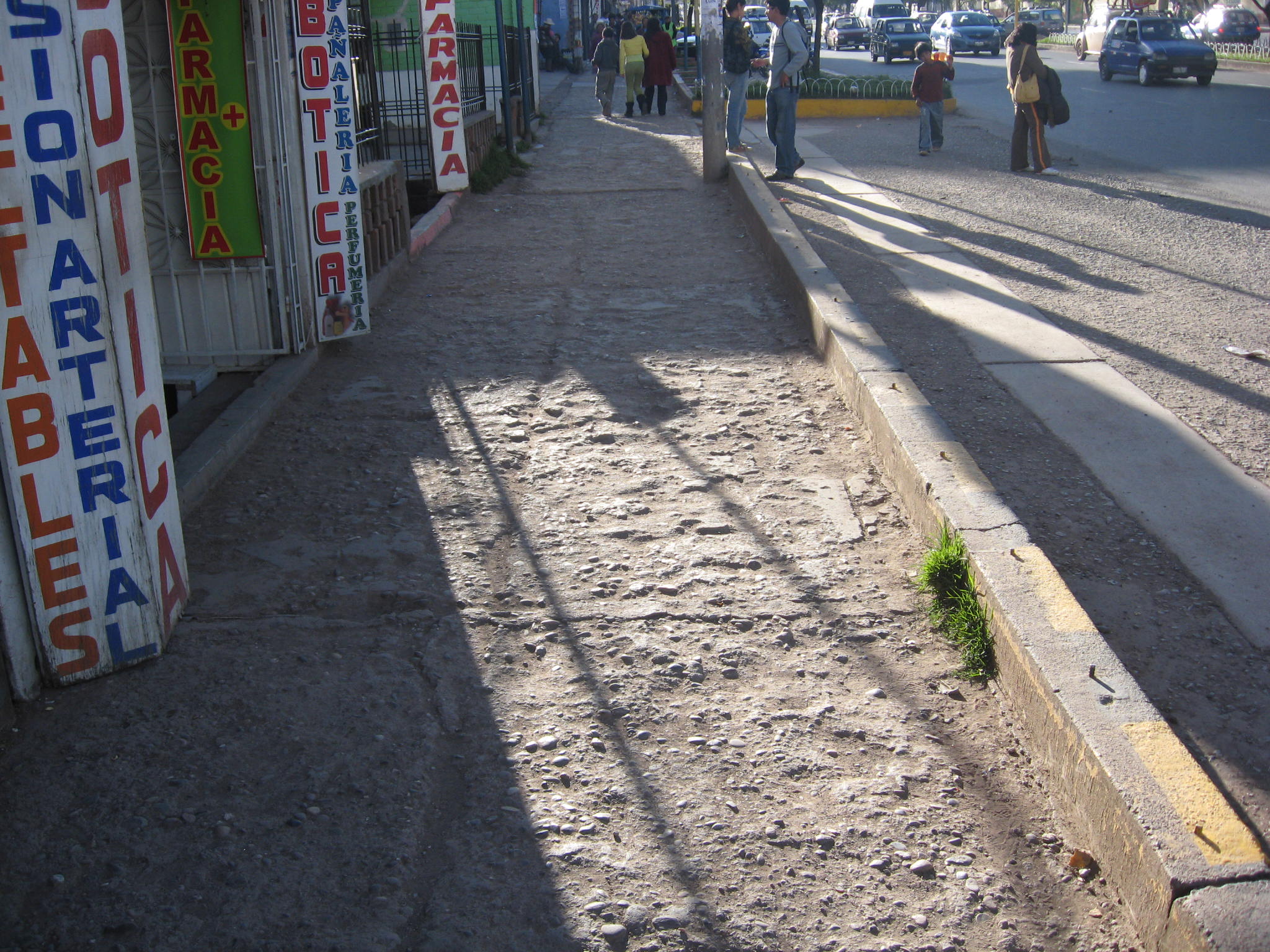
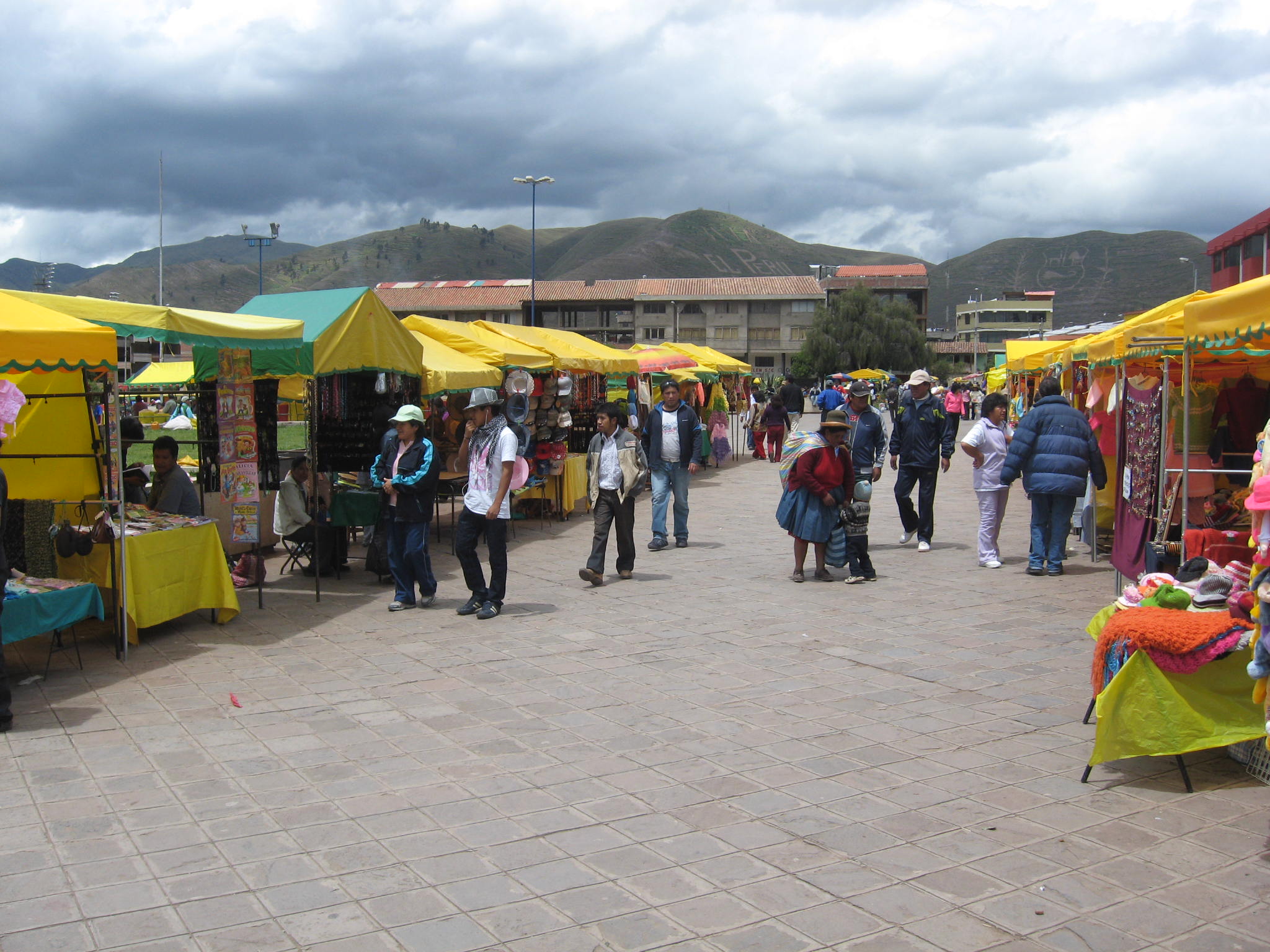
We bought their new camas at the weekend market on the Plaza Tupac Amaru. Unlike in the US, local markets still have a big economic significance here in Cusco. At the Plaza Tupac Amaru vendors sell anything from furniture to flowers, handicrafts, snacks, nectar de sabila, etc. Unlike the markets in the downtown area, this market is mostly for the locals, you typically only find a few gringos strolling around.
Sundays the market is rather quiet, on Saturdays it's busier
I’ve sat through my share of corporate workshops and training, in the US as well as here in Peru. Some I found valuable, others less so, but at the school where I teach we had a workshop this weekend that took the cake in a bad, bad way.
It was long – 8 hours with no more than 1 hour of interaction, the remaining 7 hours you sat and listened. It was in Spanish – knowing full well there were several gringos in the audience (including me) whose Spanish ranges from mediocre to non-existent. It was boring – by the end of the day even the Directors of the school looked exasperated. No schedule – There’s never a schedule for our academic meetings, you just sit and wait for whatever comes next.
A friend of mine said “It’s like a D-version of Dr. Phil.”
It was offensive and demeaning. The parts I did understand were about psycho-analyzing yourself, but in a very “in-your-face, you’re life is all bad, let me tell you how to live” kind of way. The facilitator yelled at grown adults like they were kindergartners.
To top it all of this workshop was held at the Royal Inca Hotel in Pisaq, an absolutely beautiful place with outdoor recreation facilities and a spa. The weather was beautiful… yet we spent the better part of the day inside listening to a condescending fool.
I usually skip the mandatory -yet unpaid – monthly academic meetings, but I thought I’d sign up for this one since it was supposed to be a fun weekend to get to know each other. The only fun part was when we took a break after lunch to check out the pool, although swimming an olympic size pool after drinking rum and coke was a bit tricky. That’s how bad it was… I resorted to drinking hard liquor in the middle of the day.
And this is going to help me how?
Even the Directors on the far end look bored
Unfortunately I don’t deal well with situations such as these, and I said some choice words as the day went on. I didn’t want to play the gringo card and leave, because I’m getting really disappointed at how our Peruvian teachers are treated, they don’t enjoy the same liberties us gringos do. Even though the school receives US taxpayer money, I would bet no US lawmaker would want their son or daughter to be treated like a Peruvian teacher here.
The plan was to stay overnight and “have fun” the next day, but I decided to skip out and head back to Cusco at night. I might have said things I would regret if I had stuck around to get drunk with the rest of the teachers and the Directors.
That’s right, I don’t mean people from small villages like Accha, but The Village People, the 1970s disco band of “YMCA” fame.
Now Cusco has great nightlife, with live local bands playing bars and discos around the main square and in San Blas. But since I’ve been here, no big name bands have performed in Cusco, which is really surprising considering the amount of culture, history and fun-seeking tourists in the city.
Here’s my wishlist of rock ‘n roll bands who really, really, really ought to come and play in Cusco:
1) Bruce Springsteen. Fresh of his superbowl performance here’s a chance for “the Boss” to prove he’s really all about working people: play a free live show on the shores of Lake Titicaca during 4th Continental Summit of Indigenous People. Have some cervezas with Evo and fly back home to tell the bureaucrats at the State Department that Evo’s not all that bad after all.
2) Mark Knopfler. Just once I want to hear Love over Gold (translation: the reason I’m here) live.
3) Paul Simon. Supposedly Paul Simon spent some time in Cusco. He made the Peruvian song El Condor Pasa famous in the West in 1970, and consequently brought attention to Peru long before tourism here became mainstream. Plus, he’s from New York so maybe he can bring along some people who know how to make real pizza.
4) Peter Gabriel. You’re going to be in Lima later this month, why not take the 1 hour flight to Cusco and play a small gig here?
5) Last, but not least: what could be more Peruvian than this?
“The mountains and the canyons start to tremble and shake,
the children of the sun begin to wake.”
Led Zeppelin!!! The band was more into symbolism than any other I know, and Cusco is full of the symbolism of the Incas. Come on guys… I will make arrangements for you to play at Sacsayhuaman during Inti Raymi, the traditional midsummer celebration of the Incas, what could be more mythical than that?
One of my all time favorites, Jungleland, just begging to be performed in the jungle of Peru:
Front row: Glinish, Pamela, Jose Luis, … Back row: Luis, Milagros, Tania, … You get the idea. They were my students at ICPNA a few months ago.
I always ask them why they’re studying English, what their goals are.
Some examples: Pamela (the youngest one on the first row) is studying at UNSAAC to be an accountant, so is Tania (3rd. on the back row). Williams (2nd. from right on the back row) is a tour guide and Sharon (next to him) will probably be accepted in the performing arts program at the Católica in Lima. Jose Luis (front row) is studying medicine, his father is a doctor and dentist.
Not one of them ever told me they want to work a menial job in near slave-labor conditions for little money to support some fat cat CEO’s illusion of competitive advantage.
Some of the students at ICPNA may be privileged compared to the average Peruvian, but others proudly tell me they are the first generation in their families who have the opportunity to study and pursue a professional career. All of them are working hard to get a better life.
Old style globalization often did not add any tangible value, or improve the lives of the average Peruvian (or middle class America). Globalization 2.0 will be about real value, exchanging goods, ideas and services based on differences in geography, culture, infrastructure, economies of scale, etc.
I have ideas…
Even in the current downturn I’m very optimistic about the opportunities here in Peru, where the median age is 26 and the per capita GDP is $8,500. I have a ton of ideas: a floatplane business to visit Lake Titicaca, a web development company in Cusco, an export business of typical Andean products, … We’ll save the details for another day 🙂
A lot can be said about the success of Google, how the company largely took over the lucrative internet search business from one-time internet darling Yahoo!, and many of Google’s other success stories are the stuff college case studies are made of.
Here in Peru I noticed one more reason why Google became so successful: Google speaks Quechua.
Quechua is a native Indian language spoken here in the Andes region, it is believed to date back well before the Incas’ time. Today Quechua is an official language in Peru, it is spoken by the native Indian, typically rural, population in both Peru and Bolivia.
Of course lots of websites are available in different languages, that in itself is not the point. But think about this quote from Umair Haque’s Smart Growth Manifesto:
“Outcomes, not income. Dumb growth is about incomes – are we richer today than we were yesterday? Smart growth is about people, and how much better or worse off they are – not merely how much junk an economy can churn out.”
The significance of Google’s Quechua site is that I can’t imagine Google sees any substantial revenue from it.
I don’t say this to put down the Quechua language, but simply because most of the native population who speak Quechua also speak Spanish, and they revert from one language to the other seamlessly, with Spanish typically spoken in the cities and used in business.
Cost/benefit is an entirely different concept from revenue/cost. Even though Google may not see much revenue from its Quechua site, thanks to Google lots of schoolkids in little towns all over Peru can read and search information in their native language.
I believe it’s well past time to stop managing companies like we did during the era of supply-side economics in the 20th century. In the 21st century, businesses will find opportunity when they do things because it’s the right thing to do, when the outcome is something you would be proud of.
Kids in rural Peru whose native language is Quechua learn Spanish in school.
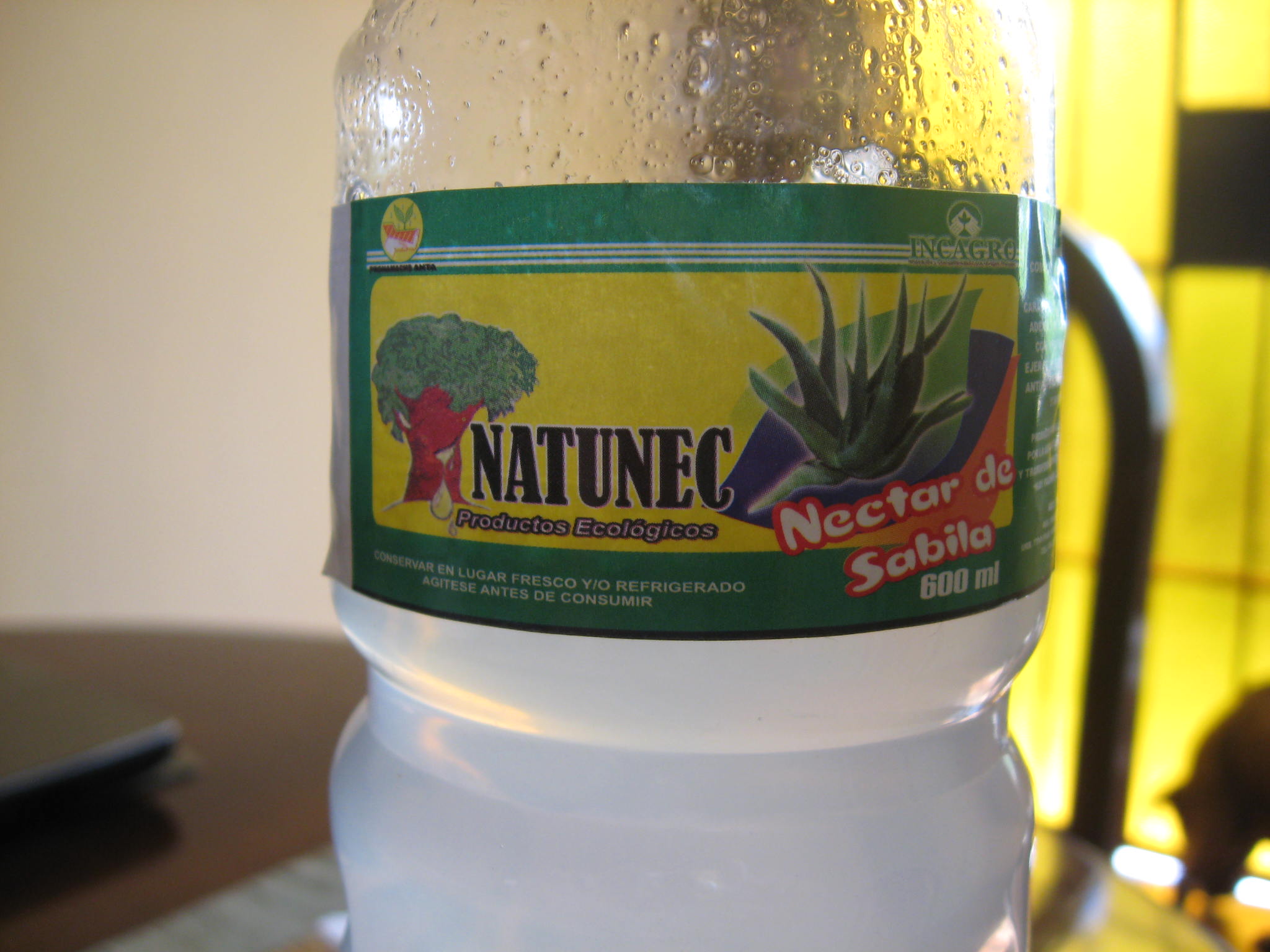
This weekend I spent 4 Neuvo Soles on a bottle of “Nectar de Sabila” at the local market here in Wanchaq. This concoction is some type of cactus juice that, according to its producers, has both nutritional and healing properties. The label states:
“Nectar de Sabila presenta caracteristicas nutricionales ademas se puede recomendar con propositos curativos: ejerce una funcion analgesica antiinflamatoria cicatrizante y antibiotica.”
The part I find most interesting is the claimed anti-biotic properties. The nectar is produced here in Cusco “por la asociacion de productores y transformadores agro industriales Kay Pachapi Llank’ay“. Anyone who speaks Quechua please tell us in the comments if that name has any meaning.
Nectar de Sabila by Natunec, Productos Ecologicos
The recommended use is a half a glass before or after breakfast, so I’ve been faithfully sipping my cactus juice every morning. It doesn’t taste quite like fruit juice, but not medicinal either, it actually tastes pretty good.
Natural medicine is popular in Peru. Hotels and chamans offer ayahuasca sessions and many typical Andean or Amazon plants are believed to have healing powers, the most famous of these is, of course, the coca leaf.
I’m honestly not a huge fan of the so-called natural medicine here in Cusco, because it is very commercialized for the tourists, just like anything else here in the city. Once you leave the main tourist area in Cusco behind, I do find it fascinating to learn about the healing powers believed to exist in the culture and nature of the Andes.
Read the news yesterday that Billy Powell, keyboardist for the band Lynyrd Skynyrd, passed away at age 56. He was one of the survivors of the tragic plane crash in 1977 that killed several other members of the band.
Some decisions you make in life turn out much different than you might expect. If hadn’t bought an extra ticket to a Lynyrd Skynyrd show 5 years ago our lives might have been a lot different… I might have never met Patricia, moved to Peru, visited great places like Accha, Ancon or Lago Titicaca.
Here’s a tribute to Billy Powell, the famous piano intro of Freebird:






 Life in Peru