Another expat experience

I had another one of those expat experiences last weekend. One of those moments where you go in no time from “I’m so happy to be here” to “What are these people thinking”, or vice versa.

This past Easter Sunday we decided to take a trip to Urubamba and eat Easter dinner at “Sol de Mayo”. This in itself was a big step for us. “Sol de Mayo” is one of our favorite restaurants, where you get a heaping plate of excellent typical Andean food. However, “Sol de Mayo” was also the place where Brianna decided to throw noodles on the back of an unsuspecting customer about 6 months ago, and we hadn’t been back there since šŸ™‚

Instead of taking the traditional buses from Cuzco to Urubamba, we took one of the “fast cars”. These are simply combis (vans) that drive direct from terminal to terminal, which saves about 20 minutes or so over the traditional buses between Cuzco and Urubamba.

No matter how many times we’ve taken the trip from Cuzco to Urubamba, I still enjoy the beautiful scenery along the way:

Riding from Cuzco to Urubamba, Peru

Riding from Cuzco to Urubamba, Peru.

So we’re the proverbial fat and happy in the back of our combi, no more than about 1/4 of the way to Urubamba, when the driver pulls over to check the rear tire. No big deal, tires get damaged regularly on the winding / pothole-filled mountain roads. The driver gets back in and gets into a fairly agitated discussion with the boletera (the girl who takes bus fares). The boletera gets on her cellphone and starts an equally agitated discussion with the person on the other end of the line.

Next thing we know the combi turns around and limps back to the nearest service station. By now Patricia is mad because she overheard the driver and boletera discussing something about a problem with the tire before we left. The combi pulls into a service station and we get out.

Combi driver knew tire was bad before leaving Cuzco.

Combi has no spare tire.

Service station has no tires.

So these guys started out on a trip with a known bad tire, no spare tire, and a bunch of paying customers in the back. Oh, and the driver drove like a maniac on the flimsy tire. Only in Peru!

The boletera took off walking, never to be seen again. We waited about 15 minutes hoping that a spare tire would magically appear, but then we just hailed a taxi and went the rest of the way by taxi. Luckily the road from Cuzco to Urubamba is quite busy with numerous combis/buses/taxis, so we didn’t have to wait too long.

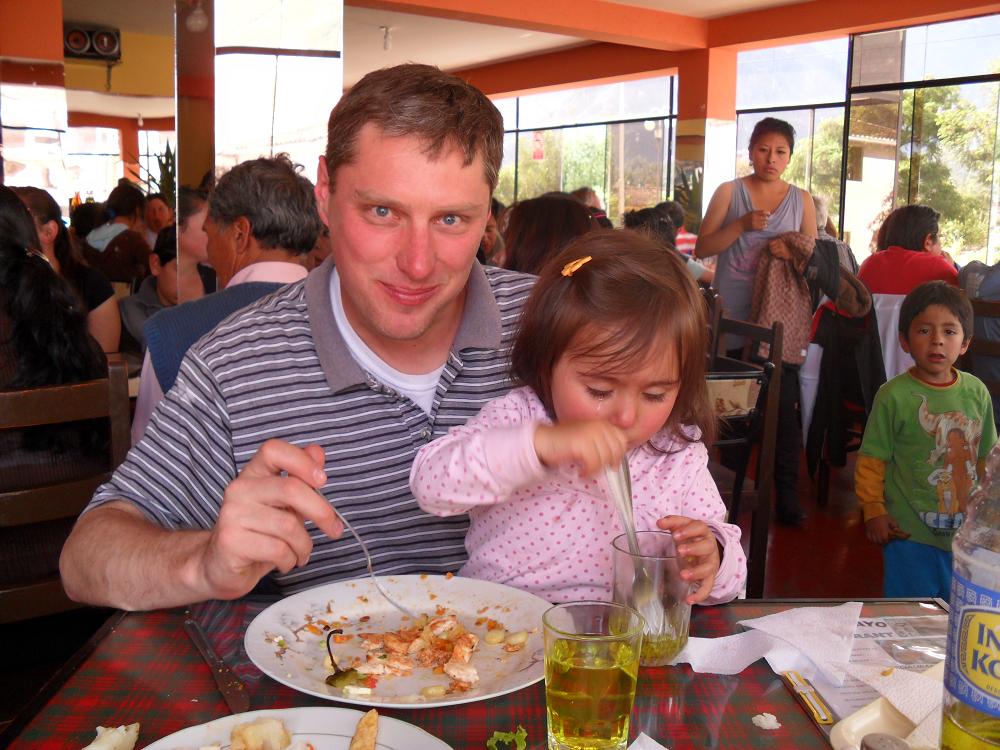
After that we had an uneventful trip and a wonderful Easter dinner. Brianna ran around the restaurant and generally acted like the lovely little hellraiser that she is, but at least no food got thrown at anyone šŸ˜‰

Typical Peruvian food

Typical Peruvian food

Easter dinner!
Easter dinner!

Papi can smile and chew at the same time!
Papi can smile and chew at the same time!

Playing in the park after Easter dinner

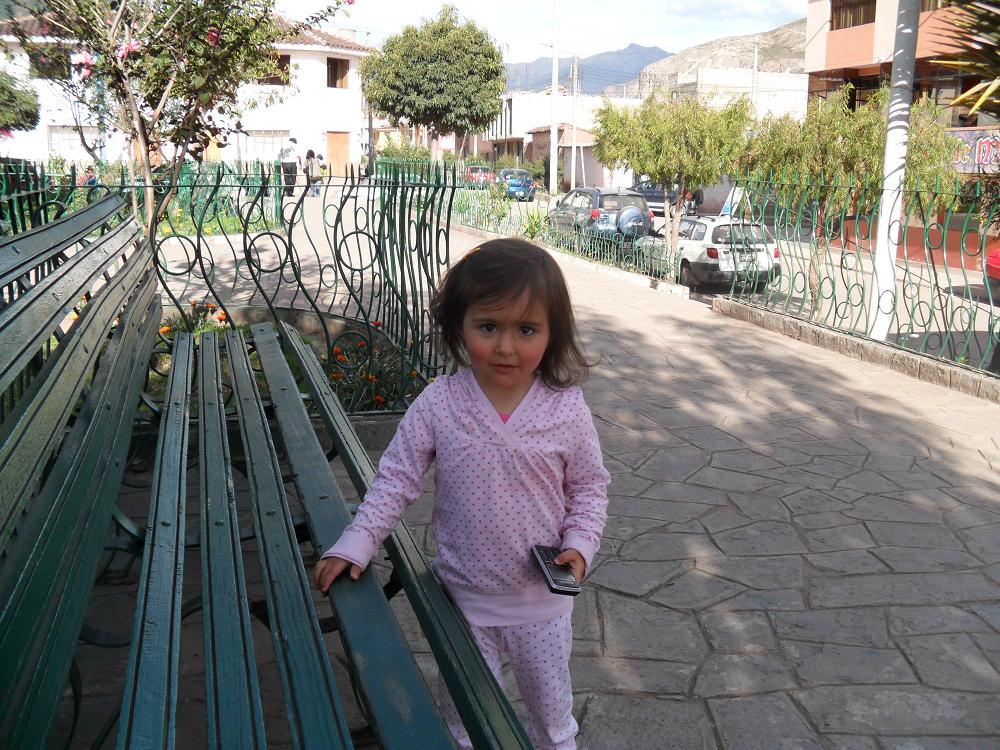
Playing in the park after Easter dinner.

SeƱor de los Temblores and my expat moment

I had one of those expat moments yesterday. Any foreigner who’s spent a significant amount of time in Peru probably knows what I’m talking about. If you’re not familiar, an expat moment is when you go from total elation, “I just love the way of life here”, “I’m so glad I left the rat-race up North behind” to “what the heck are these people thinking” in the span of about 30 seconds. Complete happiness to mindless frustration quicker than you can say Pisco Sour.

Yesterday’s moment came at the annual procession of SeƱor de los Temblores at the Plaza de Armas (main square) in Cuzco. I’ve written previously about the procession of SeƱor de los Temblores. This annual procession on Easter Monday attracts tens of thousands to the center of Cuzco. The image of SeƱor de los Temblores is taken out of the Cuzco Cathedral and carried through the center of the city, with the procession ending back at the Cathedral for the blessing of SeƱor de los Temblores in front of a crowd of thousands at the main square.

SeƱor de los Temblores is the patron Saint of the city of Cuzco. It is believed that He protects the city from earthquakes and other harm. The origin of the legend is said to be the devastating 1650 Cuzco earthquake, which was at the time believed to be the strongest earthquake on record. The 1650 Cuzco earthquake continued for a long time only to finally stop when the image of SeƱor de los Temblores was taken out of the Cathedral and worshipped. Read more about the 1650 Cuzco earthquake here.

Here’s a picture of the procession of SeƱor de los Temblores by the Cuzco Cathedral:

SeƱor de los Temblores

SeƱor de los Temblores

Back to my expat moment. I decided to go to the procession yesterday with our “wawacha” (wawa is Quechua for baby, in Cuzco the word wawa is used more often than its Spanish counterpart “bebe”) accompanied by my mother-in-law and sister-in-law. The four of us found a good spot at the corner of the Plaza de Armas, to the side of the Cathedral. Mamacita had to work until 7:00, so we were tentatively going to meet somewhere at the Plaza de Armas. As it happens we didn’t get together with mamacita until after the procession due to the crowd at the Plaza.

The procession of SeƱor de los Temblores is a powerful experience. Yesterday was a perfect night, a bright moon and an exceptionally clear night’s sky, even for the famously bright Andean sky. There’s a huge crowd, many true believers as well as tourists and curious bystanders. The crowd, the solemn procession, the ring of the famous Maria Angola bell and finally the blessing of SeƱor de los Temblores all adds up to a moving experience, whether you’re religious or not.

After the blessing the crowd starts to leave. We tried to wait a few minutes to avoid the rush but get swept up in the crowd heading away from the plaza. These kinds of big events aren’t planned as meticulously as they would be in the US or Europe, crowd control is really limited. As we’re stumbling down one of the narrow streets leading away from the plaza there’s 5 or 6 people behind us holding hands or holding a rope so as not to get separated. The biggest guy up front keeps pushing against me and telling me to “Walk” “Walk” “Walk”. Nevermind there’s no way to walk faster in the crowd.

“Walk walk walk”

I’m having a hard time to maintain my footing and I’m carrying a sleeping baby. Next to me was a lady with a baby behind her back in the traditional Peruvian blanket, getting pushed around all over the place. What I didn’t know at that point is that there was a fat drunk guy just bulldozing his way through the crowd a few rows behind us, in addition to the folks pushing their way through behind us. Finally the pushing gets so bad that people are starting to loose their footing and I loose my temper.

I turn around and yell at the guy behind me:

“STOP PUSHING YOU JERK”

I might have even added in my personal opinion about his ancestry and sex habits…

I’m normally a very laidback guy and hardly ever loose my temper. When I do, people are stunned. This skinny soft-spoken white guy just turned into the devil himself. Everyone stopped. At that point the fat drunk guy who was bulldozing his way through slips by us and people everywhere are yelling at this idiot. All the pushing stopped and everyone was able to walk normally.

I felt terrible. I was at the blessing of SeƱor de los Temblores, I’m not supposed to loose my temper and yell at people but when you’re holding a baby and feel like you’re going to get hurt, nothing will stop you from protecting your baby.

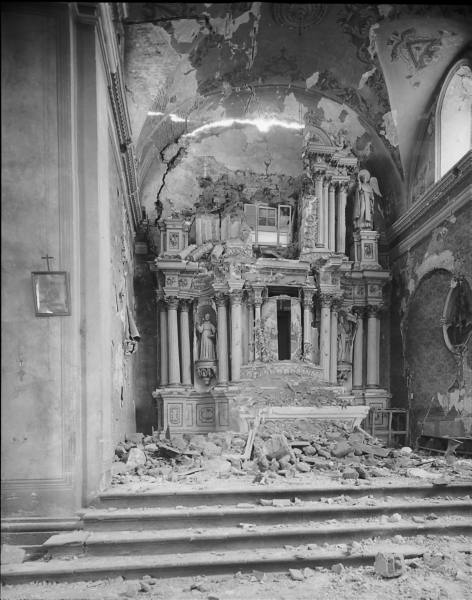
Here are a few pictures of the most recent serious earthquake in Cuzco, in 1950. Pictures courtesy of LIFE:

1950 Cuzco earthquake

1950 Cuzco earthquake

1950 Cuzco earthquake

1950 Cuzco earthquake

1950 Cuzco earthquake

1950 Cuzco earthquake

1950 Cuzco earthquake

1950 Cuzco earthquake

1950 Cuzco earthquake

1950 Cuzco earthquake

1950 Cuzco earthquake

1950 Cuzco earthquake

A Cuzco rainbow

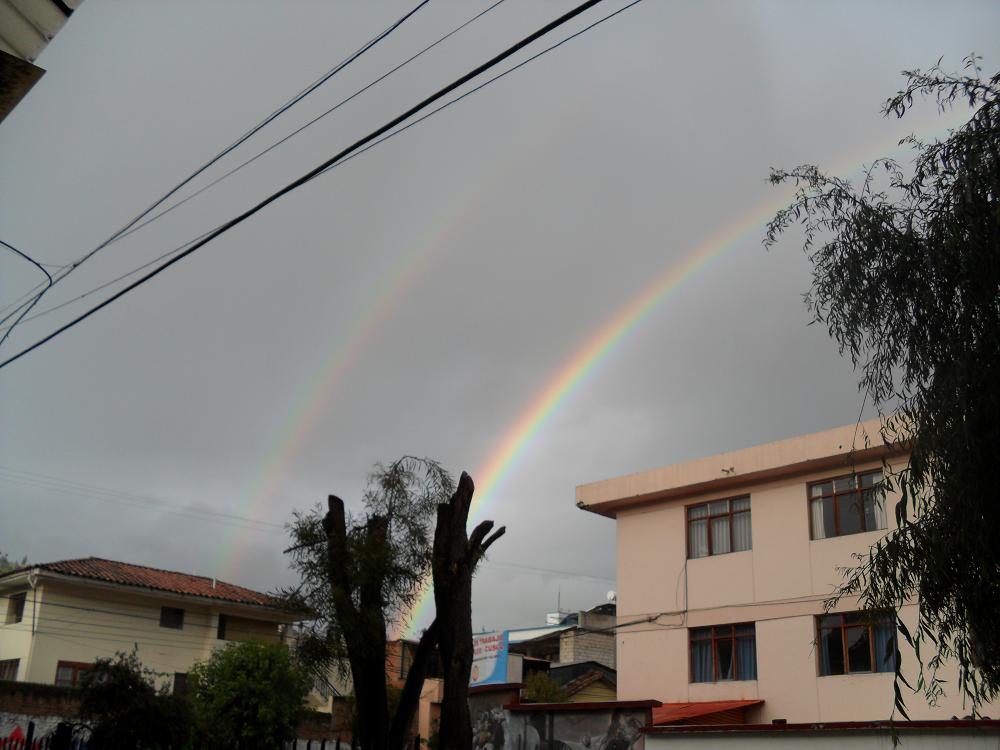
After fussing about the rain a few days ago, we saw the most gorgeous rainbow yesterday: (Click on the picture for full size)

Beautiful Cuzco rainbow

Beautiful Cuzco rainbow

The picture really does not do it justice. This was one of the brightests, most beautiful rainbows I can remember seeing. There’s a second rainbow above, but the inner one was by far the most brilliant. We ran outside and took pictures and showed the rainbow to the little Goose, one of these moments you live for.

Incidentally, Cuzco has a rainbow colored flag. So if you’re in Cuzco and notice a lot of rainbow flags, especially around major holidays and cultural festivals, it’s just that: the Cuzco flag, not the same as the rainbow flag you see “up north” sometimes…

Back in Cuzco… and still raining.

This blog’s been awful quiet for the past month or so because I was on trip “up North”. I was gone for just over a month and was hoping that rainseason in Cuzco would have begun to fade away by the time I got back, but no such luck. I’ve been back in Cuzco since Sunday and we’ve had rain every single day since then. No worries though, another month or so and rainseason should be history. After that the forecast is 70 degrees (20C) and sunny through November.

Speaking of weather, I had some interesting weather on my trip. First I spent a few days in Lima which has hot beach-going weather during the Southern hemisphere summer. Then I was off to Quebec City, where there was about 2 feet of snow on the ground and I saw 3 snowstorms in 10 days:

Quebec City in winter

Quebec City in winter

After Quebec City I headed North to Iqaluit in Nunavut, Northern Canada. Temperatures in Iqaluit were about -27C (-17F) during the day with even colder wind chills. I admire the local Inuit who live there. (Inuits are the native population of the Artic regions, we used to call them “eskimo”, but I think that’s a bad word now)

Frozen Frobisher Bay

Frozen Frobisher Bay

After Iqaluit the temperature got about 10 degrees warmer every day for the next 3 days of my trip. First I flew out of Iqaluit to Greenland:

Preheating the airplane in Greenland

Preheating the airplane in Greenland

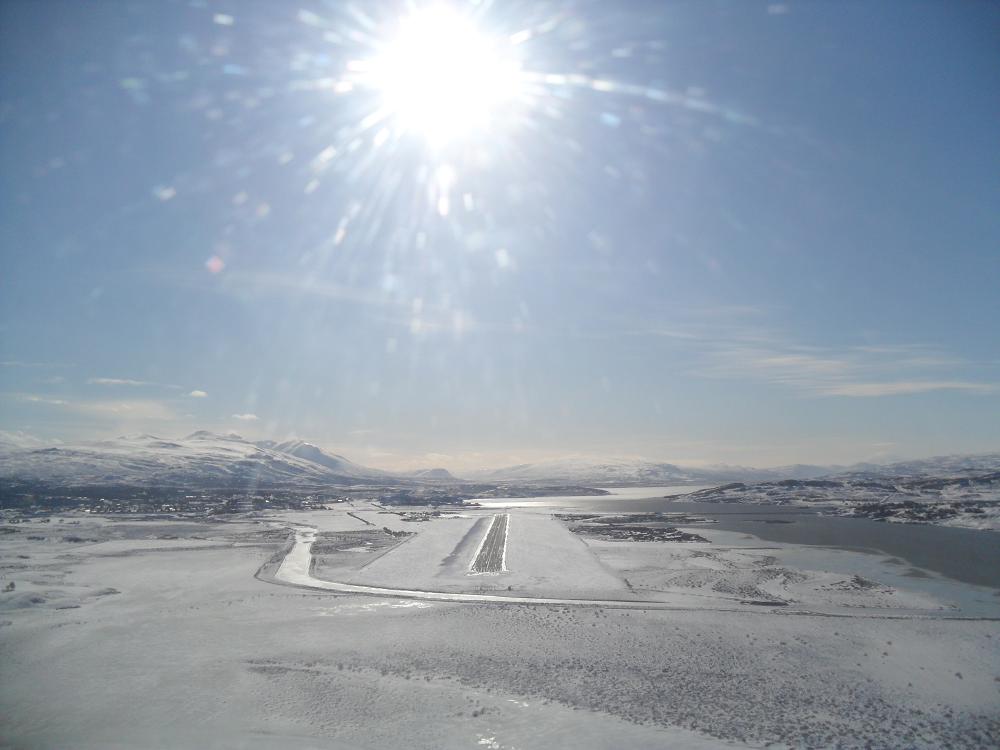
Compared to Iqaluit, the -16C (3F) temperatures in Sondre Stromfjord (Greenland) actually felt mild! Then I flew over to the East Coast of Greenland where the forecast 15 MPH winds turned out to be 35 MPH gusting to 50 MPH by the time of my arrival, so I diverted to Reykjavic (Iceland), which was supposed to be my next stop anyway. The next morning I took off amid snow showers in Reykjavic, but when I arrived in Egilsstadir on the East coast of Iceland, the weather was just beautiful:

Landing at Egilsstadir, Iceland (BIEG)

Landing at Egilsstadir, Iceland (BIEG)

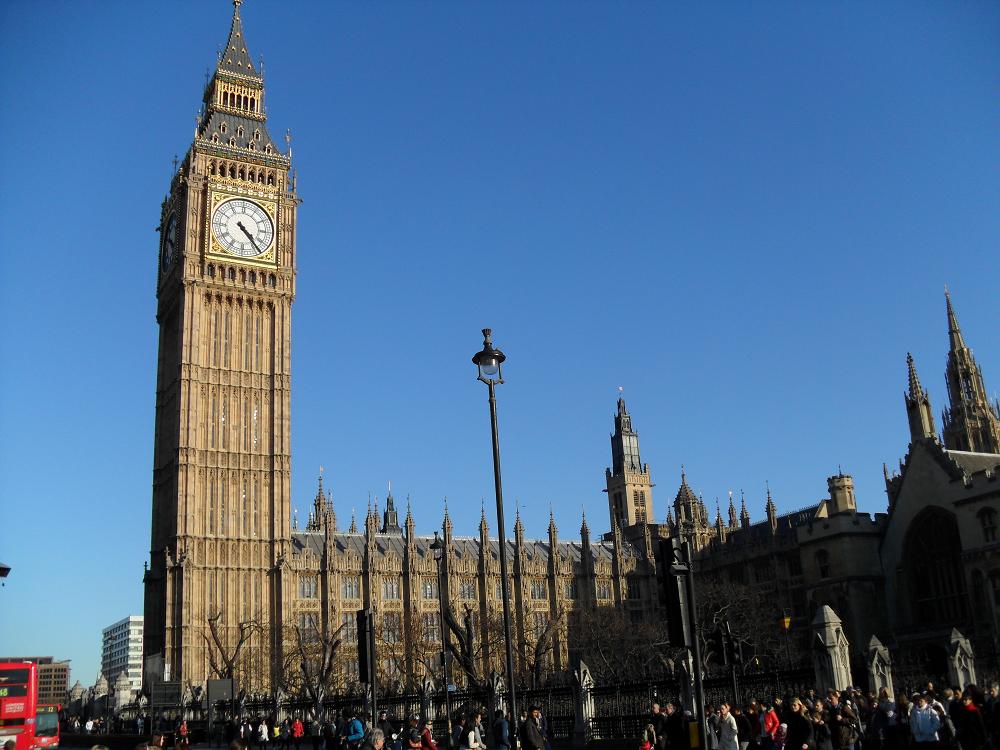
Finally on to London. I landed in London in rain and low ceilings, but the next day it was sunny and mild, an unusually beautiful day for mid-March:

A beautiful day in London

A beautiful day in London

In case you’re wondering about the reason for the trip: one of the things I do occasionally to stay gainfully employed is to deliver airplanes. Small, personal or business type airplanes. Typically someone buys an airplane in the US and needs it delivered to Europe or another area of the world. I take an airline flight out of Lima to the US to pick up the airplane, deliver it where ever the final destination may be, then take another airline flight back. For most trips I can be back “home” in Cuzco in about 2 weeks, but on this last trip I ran into some delays and was gone about a month.

Read more about the fun and adventure on my flying blog. šŸ˜‰

Visit to SeƱor de Huanca

Perhaps the most important religious shrine in the Cusco area today is the church of SeƱor de Huanca, in the Sacred Valley of the Inca, about an hour outside the city of Cusco. Many Cusquenians go here to worship and ask for the blessings of SeƱor de Huanca.

Patricia with the baby outside SeƱor de Huanca

Patricia with the baby outside SeƱor de Huanca

Inside the shrine, believers light candles and pray for blessings of SeƱor de Huanca. It is believed that if one enters the shrine with a pure heart, SeƱor de Huanca will grant you any blessings you wish, but if you go inside with less than a pure heart, you will not receive any blessings and may even find harm.

In front of SeƱor de Huanca's church

In front of SeƱor de Huanca's church

Family visit to SeƱor de Huanca

Family visit to SeƱor de Huanca

It is believed that here is where God made his home among men. There are actually 2 different stories as to the origin of SeƱor de Huanca, of miracles that are believed to have happened there.

Today, many Cusquenians bring their new cars here to be blessed, because it is believed SeƱor de Huanca will protect them from harm. In fact, when we were there an entire fleet of at least 15-20 delivery trucks for Coca-Cola / Inka Cola were there.

Overlooking the Sacred Valley of the Inka

Overlooking the Sacred Valley of the Inka

Mommy with baby Brianna by SeƱor de Huanca

Mommy with baby Brianna by SeƱor de Huanca

During the month of September, the month of SeƱor de Huanca, thousands of believers make a pilgrimage to SeƱor de Huanca. From outside Cusco, I believe the pilgrimage is about a 4-6 hour walk. I haven’t done it, but I’d like to some day.

To visit SeƱor de Huanca, you can take a taxi from Cusco (by the hospital EsSalud) for 6 Soles (~$2) per person, or you can take a bus to the nearby town of Pisaq and get a taxi from there.

If you’re visiting Cusco, a day-trip to SeƱor de Huanca is definitely worth it. The shrine of SeƱor de Huanca is in a beautiful area overlooking the Sacred Valley of the Inca. It is a very quiet place where you will find few tourists but typically several dozen locals who have come to worship. After visiting the church of SeƱor de Huanca you can enjoy typical Andean food in the nearby town of Pisac or in any of the towns in the “Valley of the South” on the way back to Cusco.

Date night!

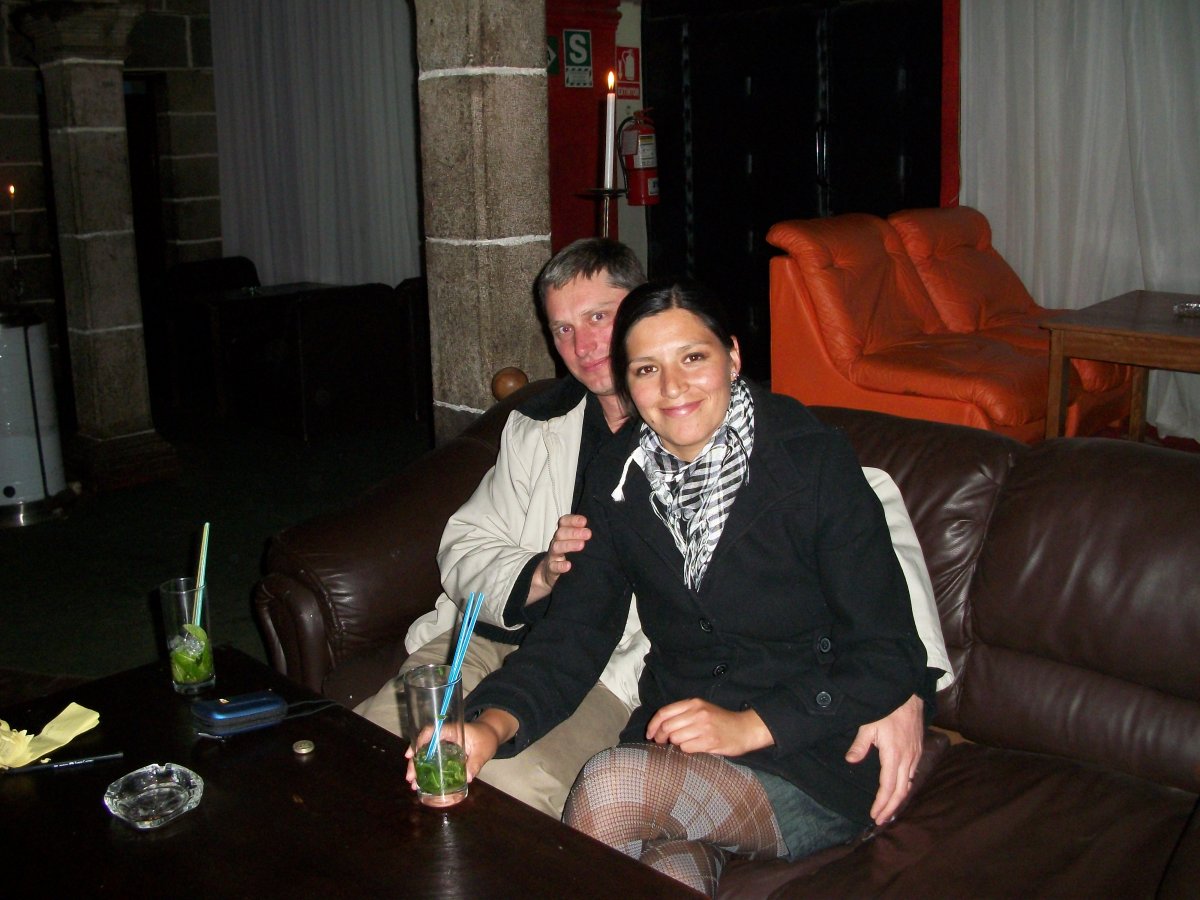
Last weekend was our first post-baby night out. I haven’t been this excited about staying out till 10:30 since I was 14!!!

At the end of the day, people are people no matter where you are. Like any new parents we’ve been overjoyed with our new baby, but also quite overwhelmed. Patricia has been doing a great job taking care of our wawa, but after 10 months just to be able to go out for a few hours without the baby was a big event for us.

Patricia’s mom was kind enough to watch the baby for us while we went out to get a bite and a drink downtown at the Plaza de Armas here in Cusco.

Mommy looking great!!!

Mommy looking great!!!

Que papi este papi!!!

Que papi este papi!!!

First night out post-baby

First night out post-baby

Torrential rains in Cusco

Lots of news about the flooding and mudslides caused by torrential rains in Cusco. Most of the damage is in or near the Sacred Valley of the Inca, about 20 miles outside of Cusco.

Unfortunately most of the English language media coverage and most of the Peruvian government’s efforts seem to be focused on helping the US and European tourists who were stranded in Machu Picchu, but you don’t see much about the ordinary Peruvians who are affected.

I’m actually in the US for a while. Patricia and the baby are safe in Cusco. Hopefully the rains will subside soon. The city of Cusco has rapidly expanded over the past 20 years or so and far too many houses are built on the sides of the mountains surrounding the city, any mudslides in the city would be a disaster.

More at En Peru and Diario del Cusco

Abuelo’s birthday

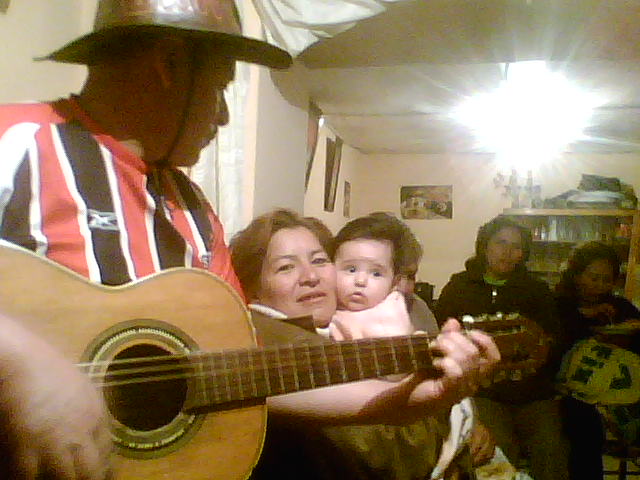
Patricia’s dad, Carlos, celebrated his birthday yesterday. Patricia’s dad and several of his family members played traditional Peruvian folk songs on the guitar, banjo and accordion. We all ate yummie lechon, even Brianna!!!

After a few cervezas papi even danced to traditional Peruvian folk music… bad uncoordinated gringo šŸ˜‰

Carlos playing guitar

Brianna Nayaraq con su bisabuela

Brianna Nayaraq con su bisabuela

Baby Brianna watching her grandpa play guitar

SeƱor de los Milagros

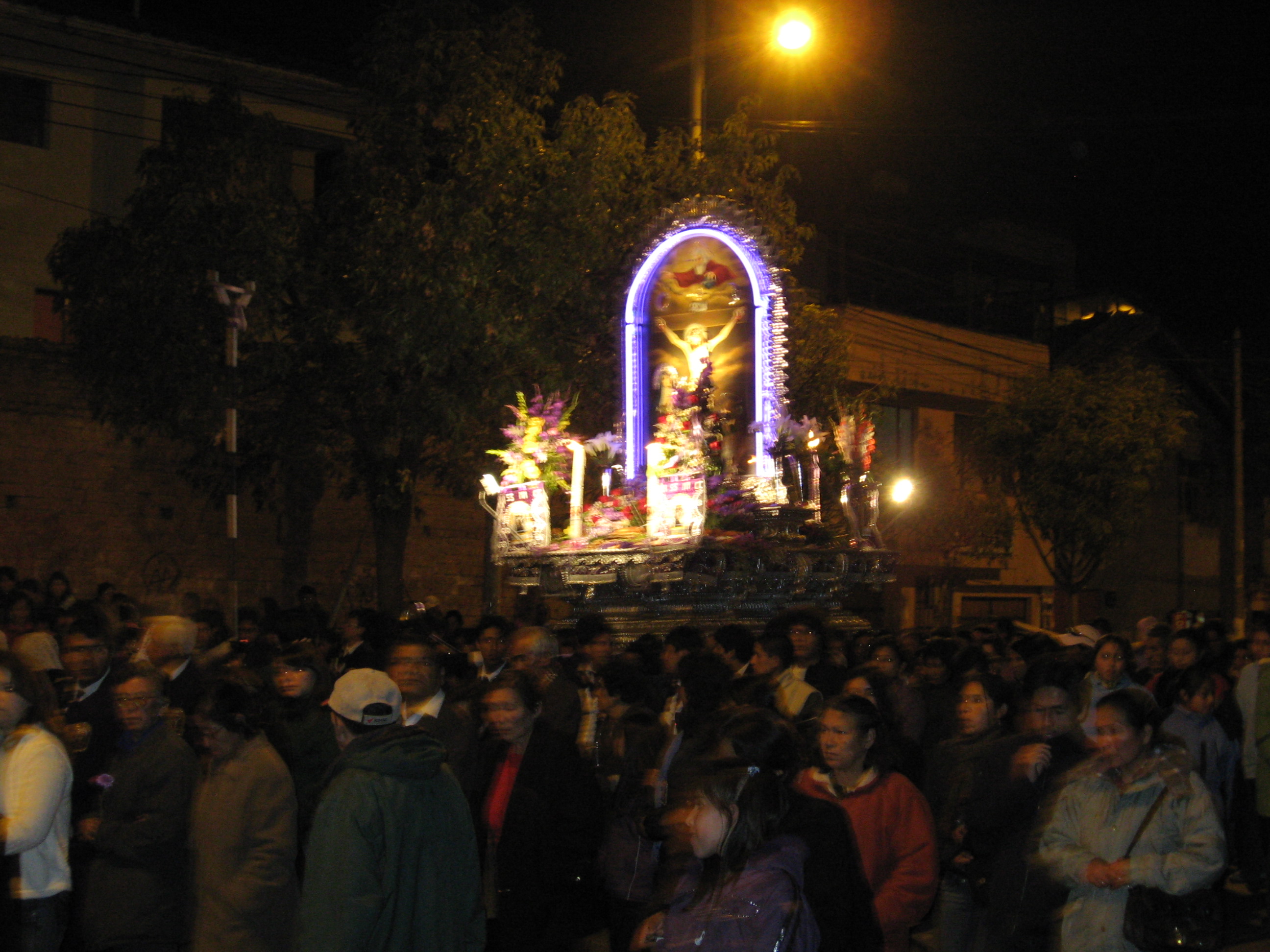
The procession of SeƱor de los Milagros in Cusco passed by our house last night. Peruvians worship SeƱor de los Milagros (Lord of Miracles) as it is believed he protects them from harm. An excellent explanation of the tradition from Kleph blog:

The Lord of Miracles, or El SeƱor de los Milagros as it is known in Spanish, is actually a centuries-old painting on the wall of a relatively obscure church in central Lima.

According to tradition, in 1651 a slave who had converted to Catholicism painted the depiction of Christ on the cross on the wall of a building in the outskirts of Lima where new devotees to the faith gathered to pray.

When a devastating earthquake struck the city four years later the entire building collapsed except for the wall adorned with the painting. Over the next several decades, the image became associated with miraculous incidents. More and more people, particularly the descendents of slaves, began to worship at the site.

This concerned both the church and Spanish authorities and, in 1671 the image was ordered destroyed. According to legend, workers were not able to do so. But, for whatever reason, officials eventually relented and built a proper church on the site – the church of Las Nazarenas.

When another huge earthquake struck Lima in 1687, the chapel was destroyed but, once again, the wall adorned with the painting remained standing. This cemented the importance of the image to the faithful and church leaders ordered a painting of the image to be taken out in procession that October – the tradition that continues to this day.

SeƱor de los Milagros

SeƱor de los Milagros

SeƱor de los Milagros, Cusco 2009

SeƱor de los Milagros, Cusco 2009

Procession of SeƱor de los Milagros in Cusco

Procession of SeƱor de los Milagros in Cusco

Here in Cusco the celebration of SeƱor de los Milagros is less elaborate than the mes morado (purple month) celebration in Lima. I imagine the simpler celebration in Cusco reflects the fact that SeƱor de los Milagros is native to Lima and Cusco has other typical celebrations of SeƱor de los Temblores during Holy Week (Semana Santa) and SeƱor de Huanca during the month of September.