Self-directed workforces

Self-directed workforces, or team-based workforces, are a great option to improve productivity, quality and employee satisfaction. Self-directed workforces also offer many benefits around supply-chain responsiveness, such as reducing inventory costs, reducing time-to-market, and improving product or service design.

To me self-directed workforces are more than an academic concept, I spent 5 years at GE’s Durham Engine Facility, a team-based workforce considered one of the crown jewels of GE Aircraft Engines.

I am available to provide consulting on implementation of self-directed workforces, either as a green field startup or at existing sites. Any inquiries or referrals, please contact me.

Ward Welvaert
ward DOT welvaert AT gmail DOT com
919 889 9208

Corporate workshop

I will be in the US during April – May. I just finished up a 2-day corporate workshop that I’ll be offering while I’m in the US.

The idea of this workshop will be to challenge participants to erase the destructive corporate culture of the late 20th century and replace it with new, responsible thinking. Any inquiries or referrals, please contact me.

Ward Welvaert
ward DOT welvaert AT gmail DOT com
919 889 9208

Work halted at La Oroya

Otto at Inca Kola News has some good analysis on the work stoppage at La Oroya today.

From Reuters:

“Doe Run Peru has halted work at its sprawling La Oroya smelter after banks cut credit lines for the company.”

Also read my previous post about money and La Oroya. It remains to be seen if Alan Garcia’s pro-mining government will step in. Personally, I’m with Otto on this: Ira Rennert took the money and ran.

Calle Procuradores, Cusco

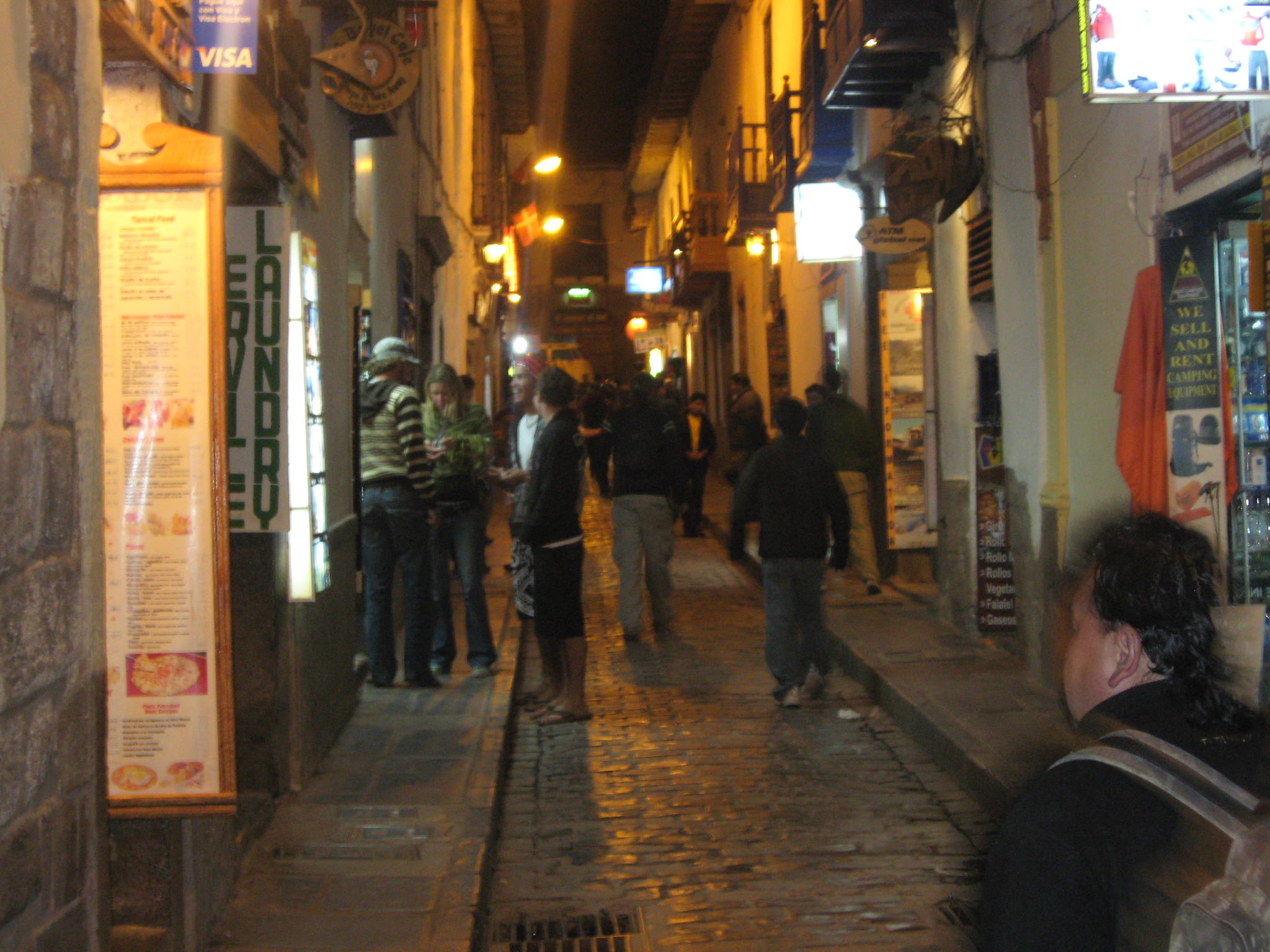
I took a walk through Calle Procuradores on the way home last night. Procuradores is a narrow street on the NW side of the Plaza de Armas in Cusco. There are a lot of small bars and restaurants on Procuradores, but to locals it’s known as the bad part of the Plaza de Armas because it’s the main hangout for the small-time drug dealers who peddle “weed” and cocaine (“Charley”) to the tourists.

Calle Procuradores seen from the Plaza de Armas, Cusco

Calle Procuradores seen from the Plaza de Armas, Cusco

Calle Procuradores, Cusco

Calle Procuradores, Cusco

Calle Procuradores looking towards the Plaza de Armas

Calle Procuradores looking towards the Plaza de Armas

Unfortunately local authorities don’t do anything to clean up Procuradores. I imagine plenty of kickbacks keep the status quo in place. It’s sad really, that people who come to a beautiful place like Cusco, with all of its attractions, entertainment and nightlife, still feel the need to fry their brains with cocaine to have a good time.

How not to visit Cusco

A friend of mine, alias “C”, was in town for a visit last week. Check out his story, a must read. While your visit will (should) likely be much more uneventful, his account gives you a good idea what to expect in Cusco from the viewpoint of a young, single guy.

My comments:

  • “C” is absolutely right that visiting the tourist areas of Cusco and Machupicchu does not constitute knowing Peru.
  • Service in the tourism industry here can be mixed, to say the least. Sounds like “C” got the typical treatment on the city tour: because you’re a gringo we’ll nickel-and-dime you to death.
  • Last I checked (about a year ago) you could buy a “city touristic ticket” for around 25 Nuevos Soles, and it gives entrance to nearly every tourist site around the city (including Sacsayhuaman). Instead of taking a city tour, just take a walk around the city yourself. “C” posted a pretty good list of places to see in Cusco on his blog.
  • I like Sacsayhuaman, but I agree listening to the tour guides can bore you silly.
  • Around the Plaza de Armas and San Blas you do find a ton of “gringos” in the bars and discos. But the residential areas where you can find bars and discos packed with mostly locals are only a few blocks away. Best to go in a small group though.
  • Sicuani is really not the smallest, poorest town around. It’s actually pretty representative of a provincial Andean town. If you really want to know how people live in the Andes of Peru, just take one of the local busses (like “C” did) and talk to some of the people. The bus “C” took was not for poor people per se, it’s what ordinary Peruvians use to travel in the provinces.

Final thoughts:

  • Your visit should by all means be less eventful than “C’s”.
  • If you do get in trouble, there is a “tourist police” agency on the Plaza Tupac Amaru.
  • Don’t drink like you’re at home. The elevation in Cusco is 3,460 meter (~11,000 feet), or about twice as high as Denver. Being away from home, combined with thin air, alcohol and bricheras makes for some wild scenes at the nightspots in Cusco.

AIG bailout politics

The political posturing around the AIG bailout back home in the US almost makes Peruvian politicians look sincere…

Remember when former NY Attorney General Elliot Spitzer – not exactly the poster boy for ethics himself – keelhauled then-CEO Maurice “Hank” Greenberg in 2005? Here’s what Greenberg recently said about credit default swaps at AIG:

“However, he said AIG’s sales of credit default swaps “exploded” after he left the company in March 2005. He said AIGFP reportedly wrote as many credit default swaps in the nine months after he left than it did during the previous seven years combined and, he maintained, too much of its new business was tied to the subprime market.”

Instead of all the posturing, let AIG fail. It was just a house of cards. AIG’s business model of insuring investments only created a false illusion of security. Letting AIG fail would be a good first step to cleaning up both the financial system and ethics in business.

Bailouts and political posturing don’t change the fact that money is just a funny printed paper. Real productivity, what we contribute to society in tangible terms, and the tangible things you expect to get in return, is what matters. Just printing up more money so old guys in suits can continue to get ridiculously rich doesn’t seem like the solution to me.

Walk through Cusco

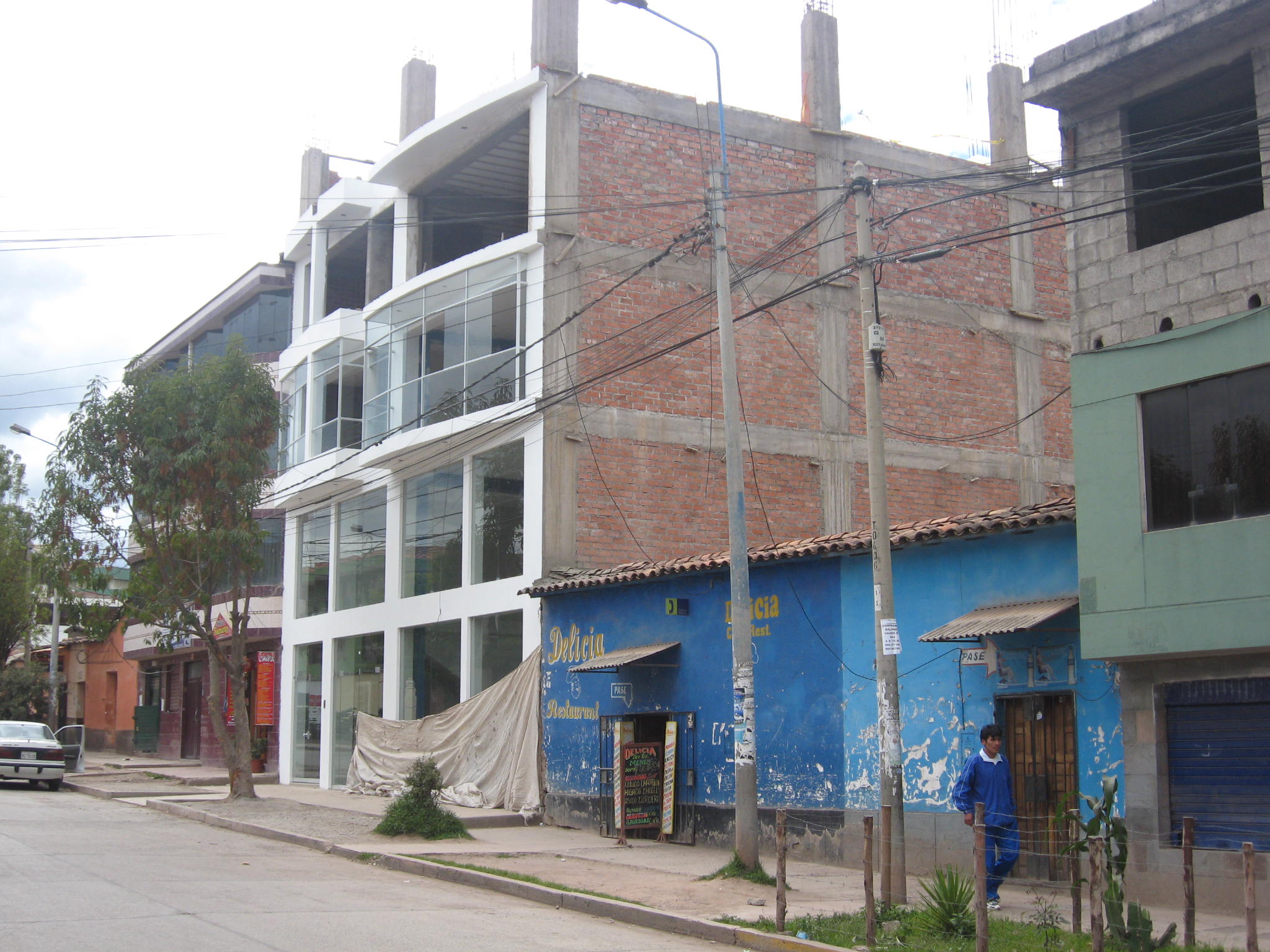
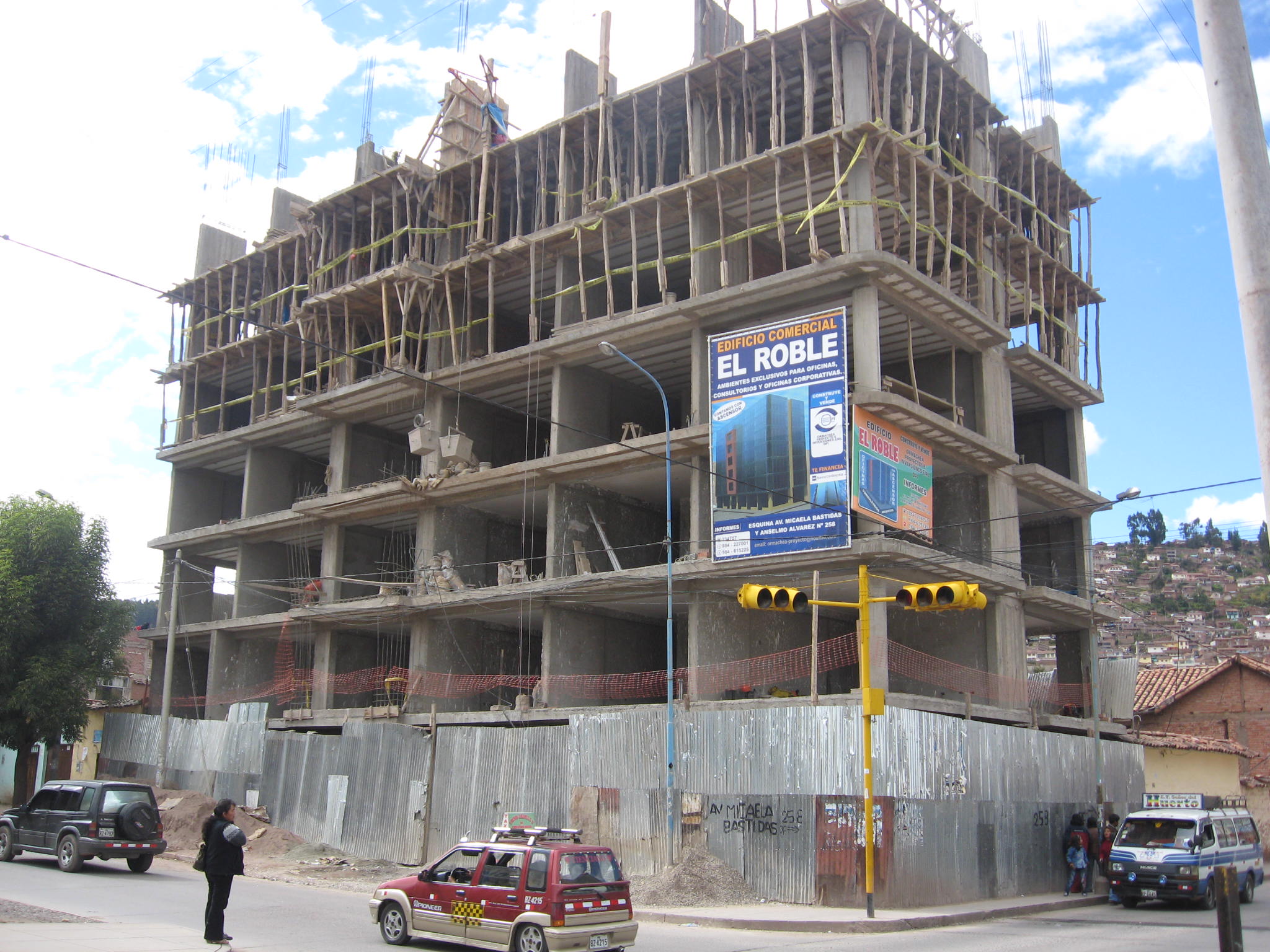
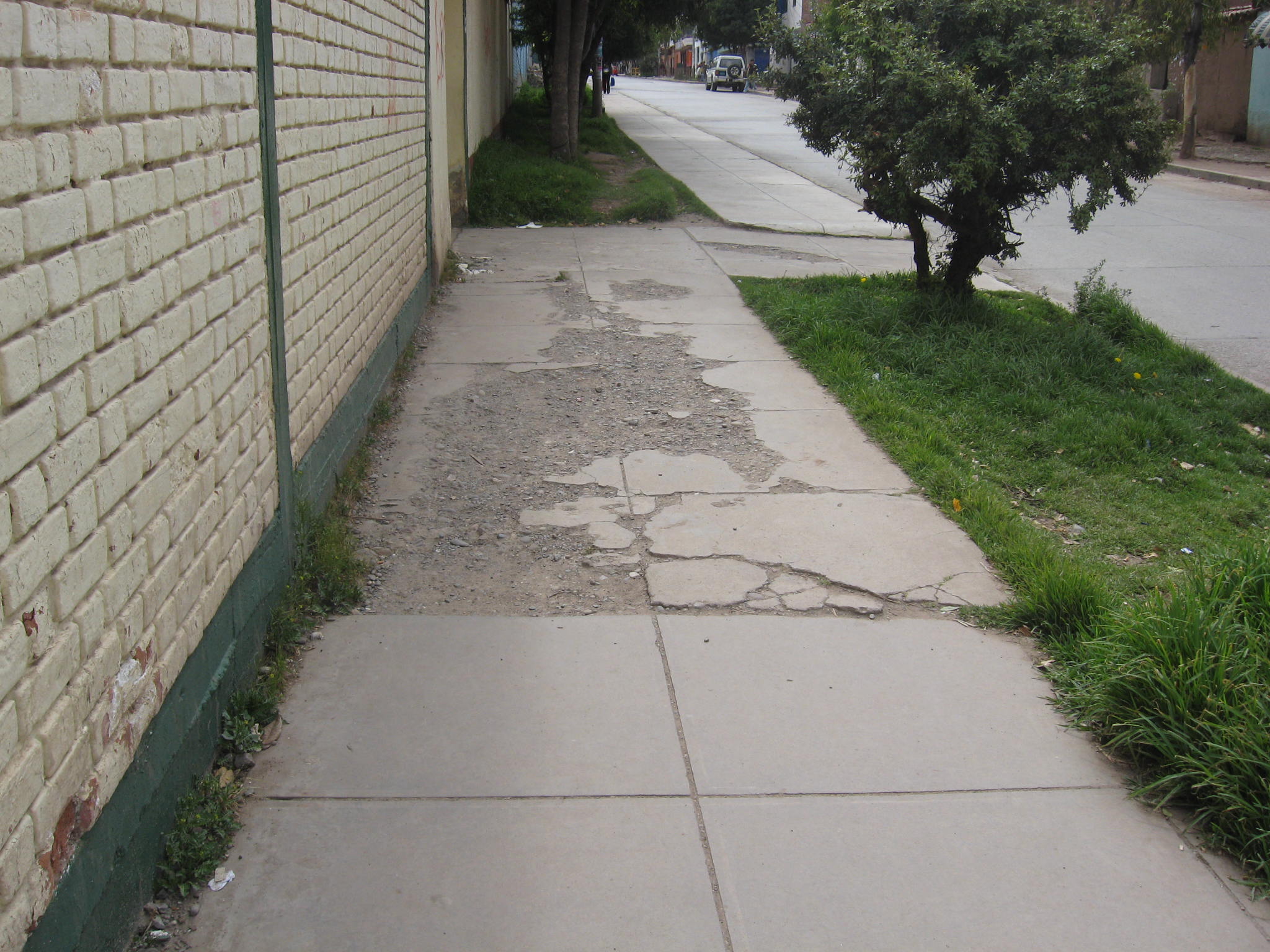
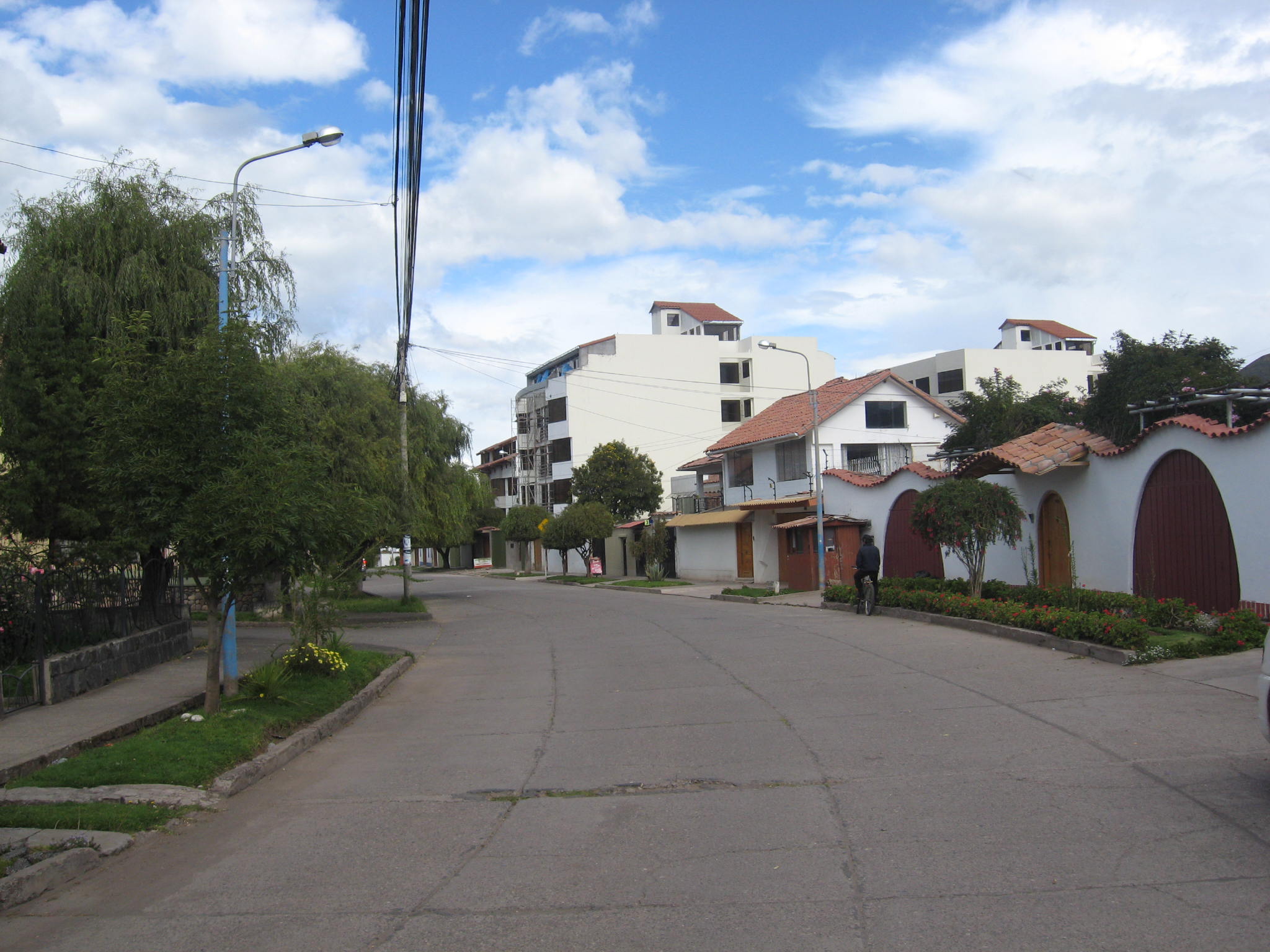
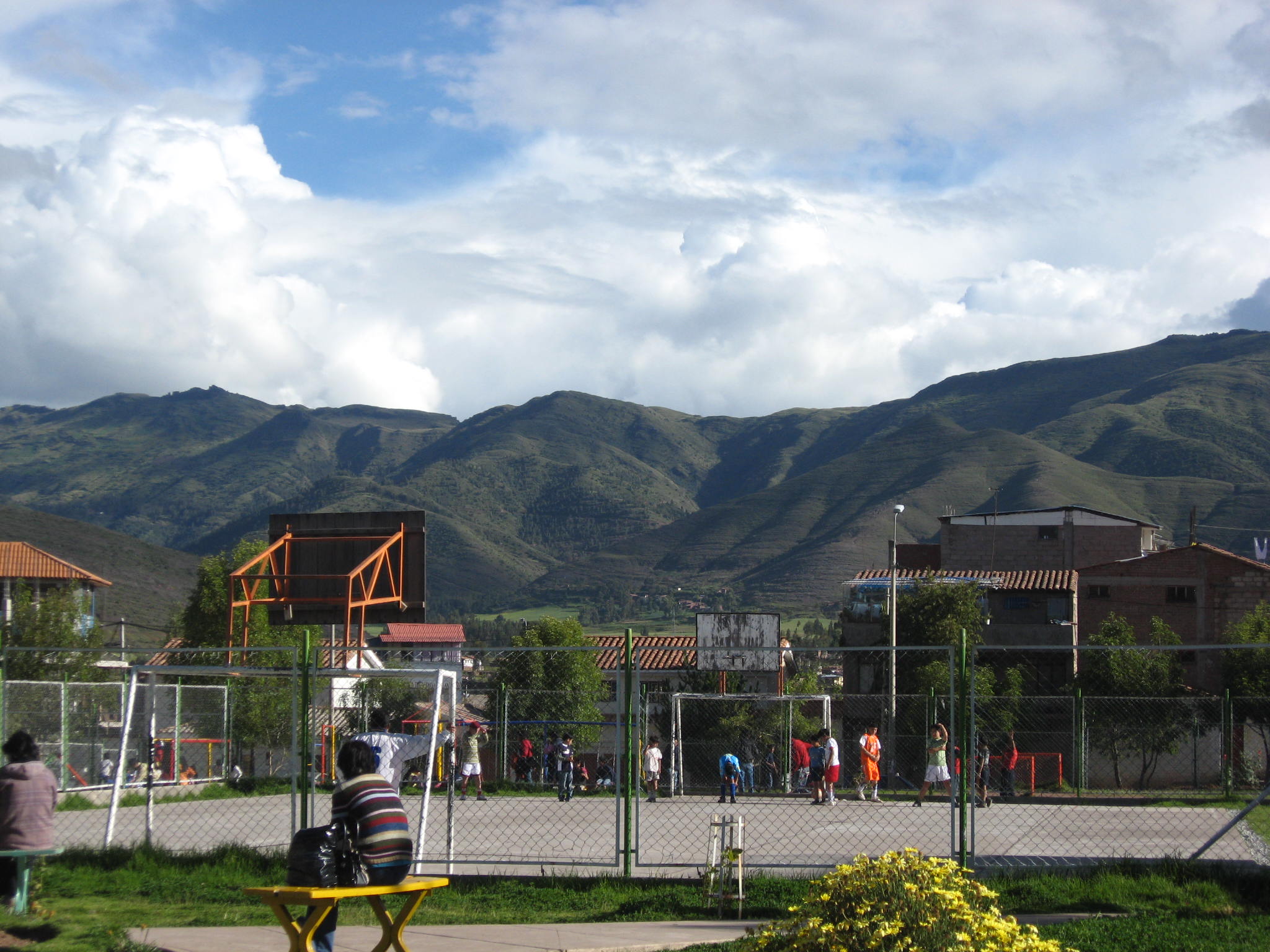
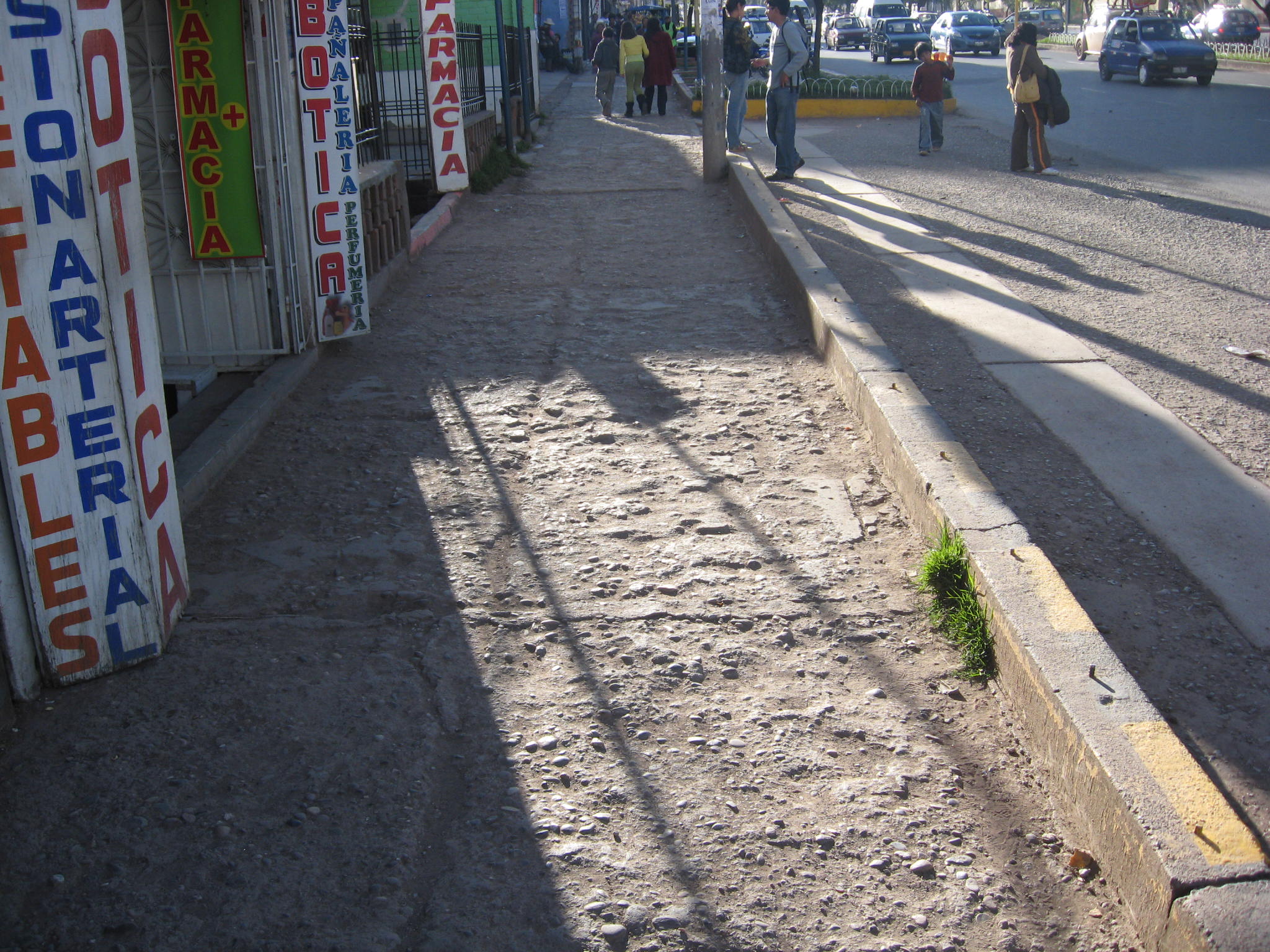
We took a walk through some residential areas of Cusco on Sunday. Wanchaq, our neighborhood, is a fairly nice, middle-class part of Cusco. Some of the nicest residential areas of Cusco are Larapa, Magisterio and Huancaro Residencial. There are also poorer neighborhoods both near downtown as well as on the outskirts of the city. The residential areas of Cusco are growing fast, new buildings are going up everywhere. True to Peruvian form, some unfinished buildings linger around for years.

Cusco is an expensive city by Peruvian standards, thanks to the tourist industry. The cost of real estate is entirely out of line with personal incomes. Asking prices for nice apartments easily exceed $50,000. Consequently, as in all of Peru, it’s not uncommon for 2 or 3 generations of a family to share a home, which is also why you find lots of young couples making out in public places.

These are pictures of middle-class residential areas in Cusco. I’ll try to get some pictures of the other districts later.

Mi cama, tu trasero

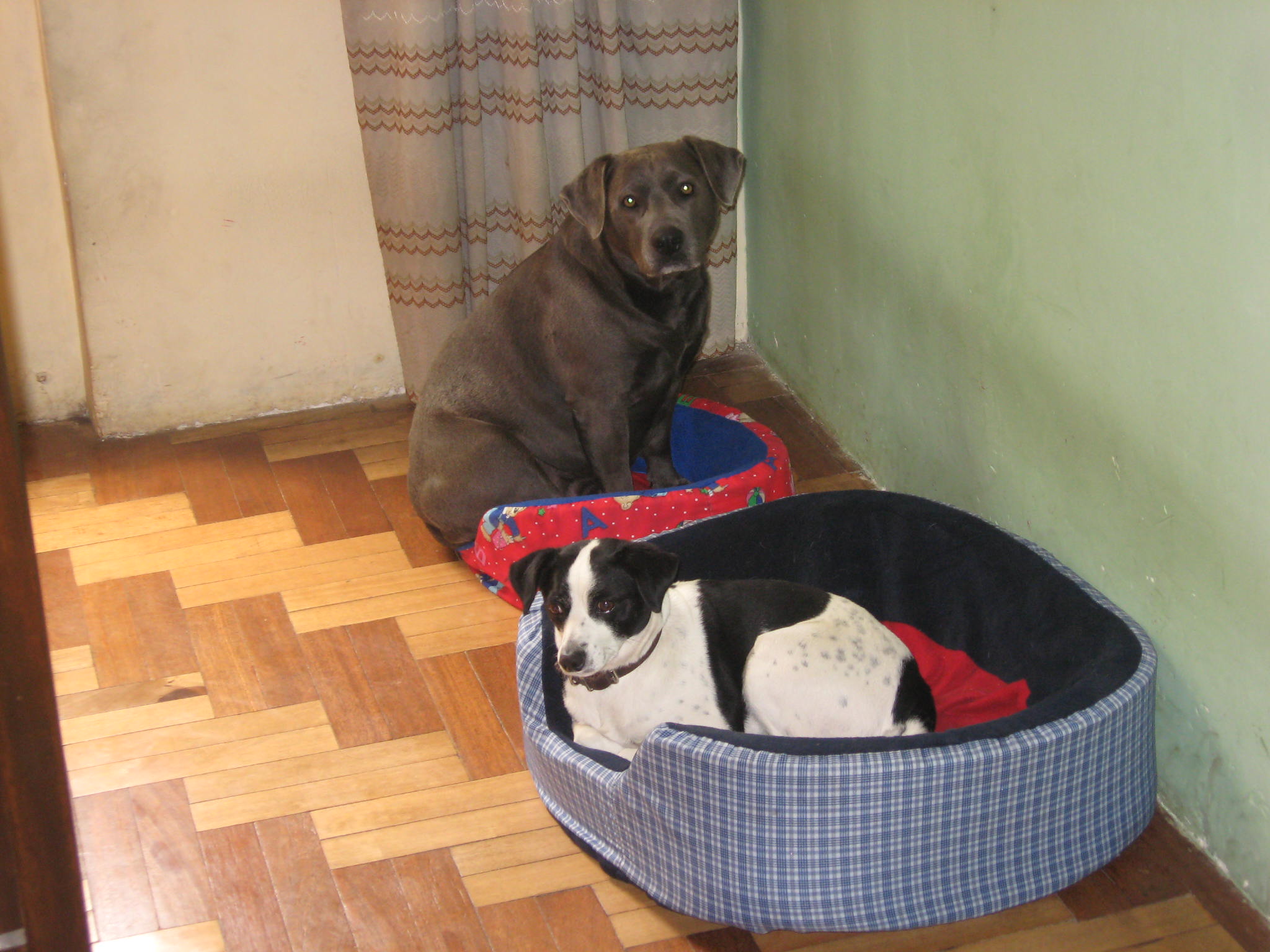
We spent 60 Nuevos Soles (about $20) to buy new doggie beds for our bi-national, US-Peruvian mutts this weekend. Here’s how they ended up:

Roxi and Manchita

Roxi and Manchita

Funny how Manchita’s big bottom doesn’t quite fit in Roxi’s bed. Manchita looks tough but Roxi is a bossy little terrier, and she’s also older than Manchita. We think Manchita is a Blue Pitbull, but without Roxi around she’s just a big baby.

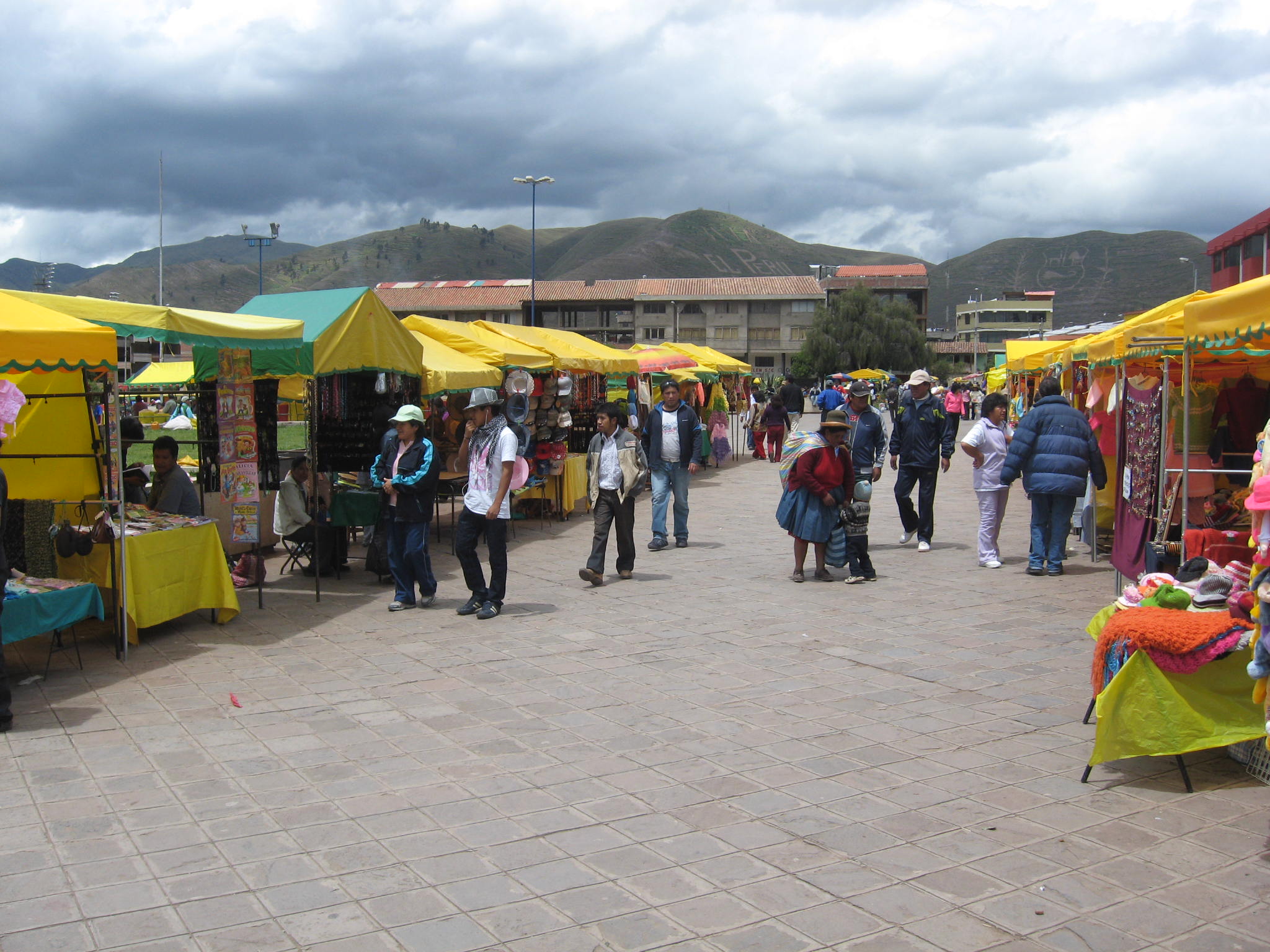
We bought their new camas at the weekend market on the Plaza Tupac Amaru. Unlike in the US, local markets still have a big economic significance here in Cusco. At the Plaza Tupac Amaru vendors sell anything from furniture to flowers, handicrafts, snacks, nectar de sabila, etc. Unlike the markets in the downtown area, this market is mostly for the locals, you typically only find a few gringos strolling around.

Sundays the market is rather quiet, on Saturdays it's busier

Sundays the market is rather quiet, on Saturdays it's busier