Why Peru is poor

or – why every Peruvian needs a Jack Russell terrier.
Why Peru is a poor country

Why Peru is a poor country

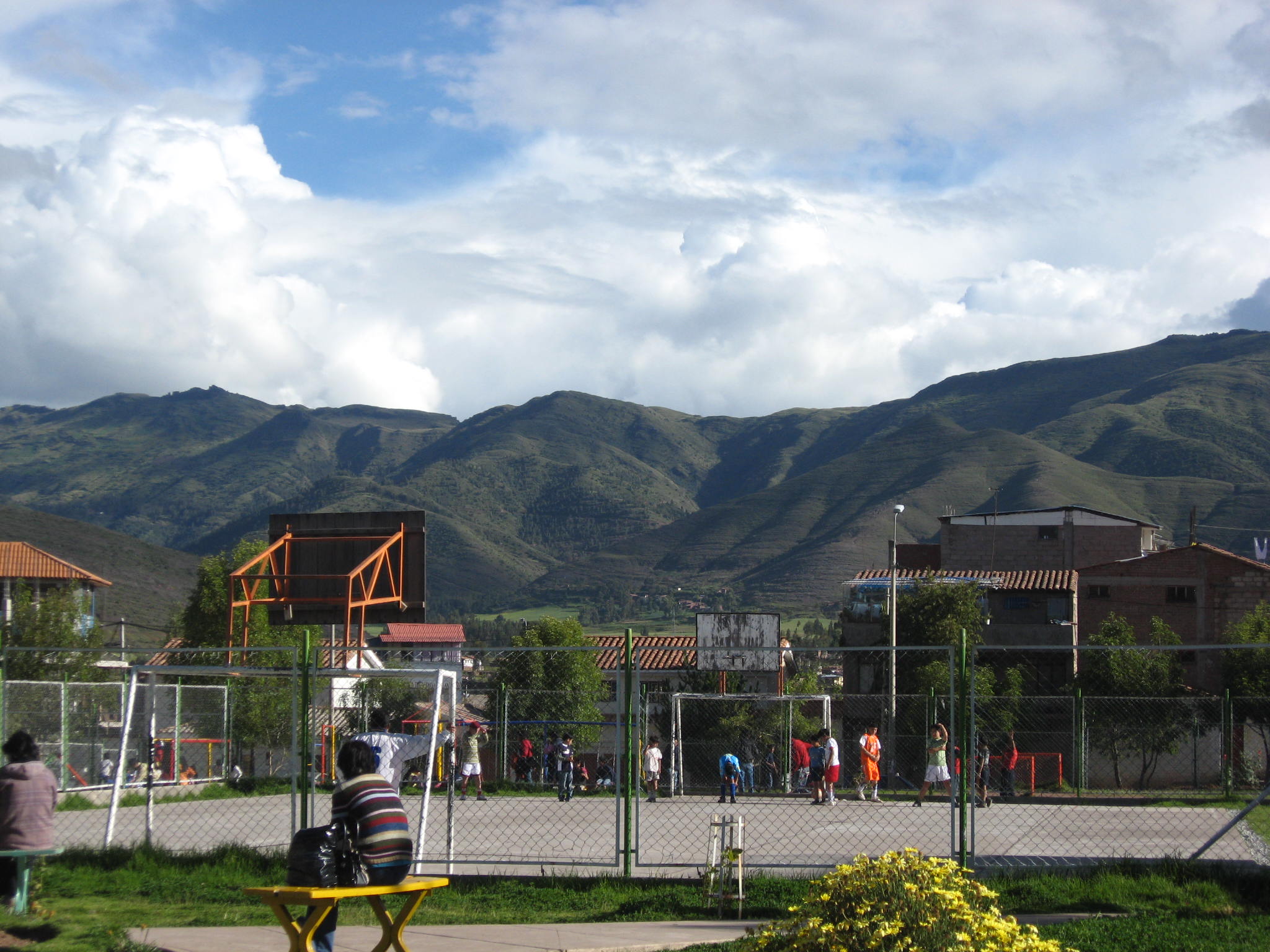
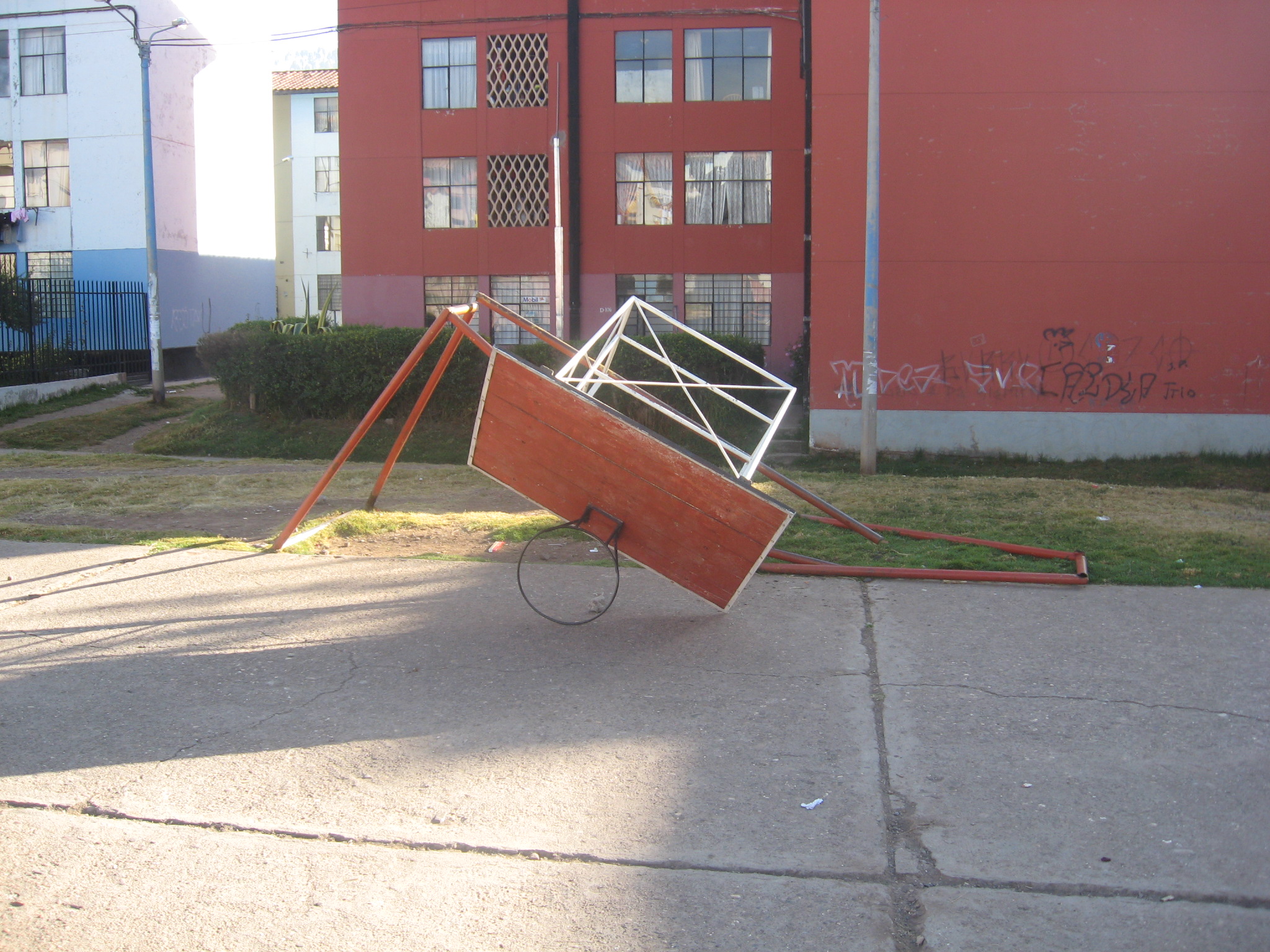
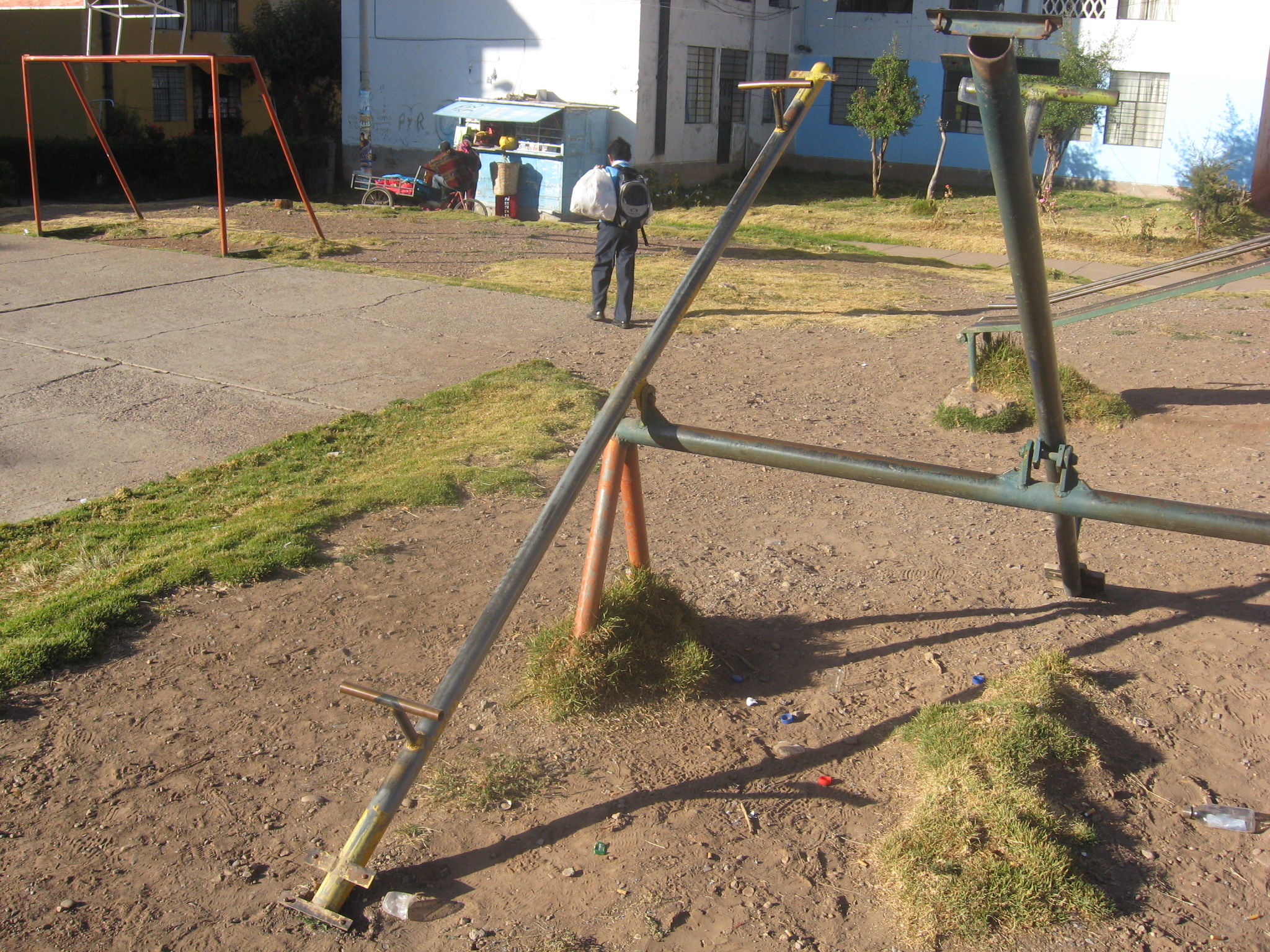
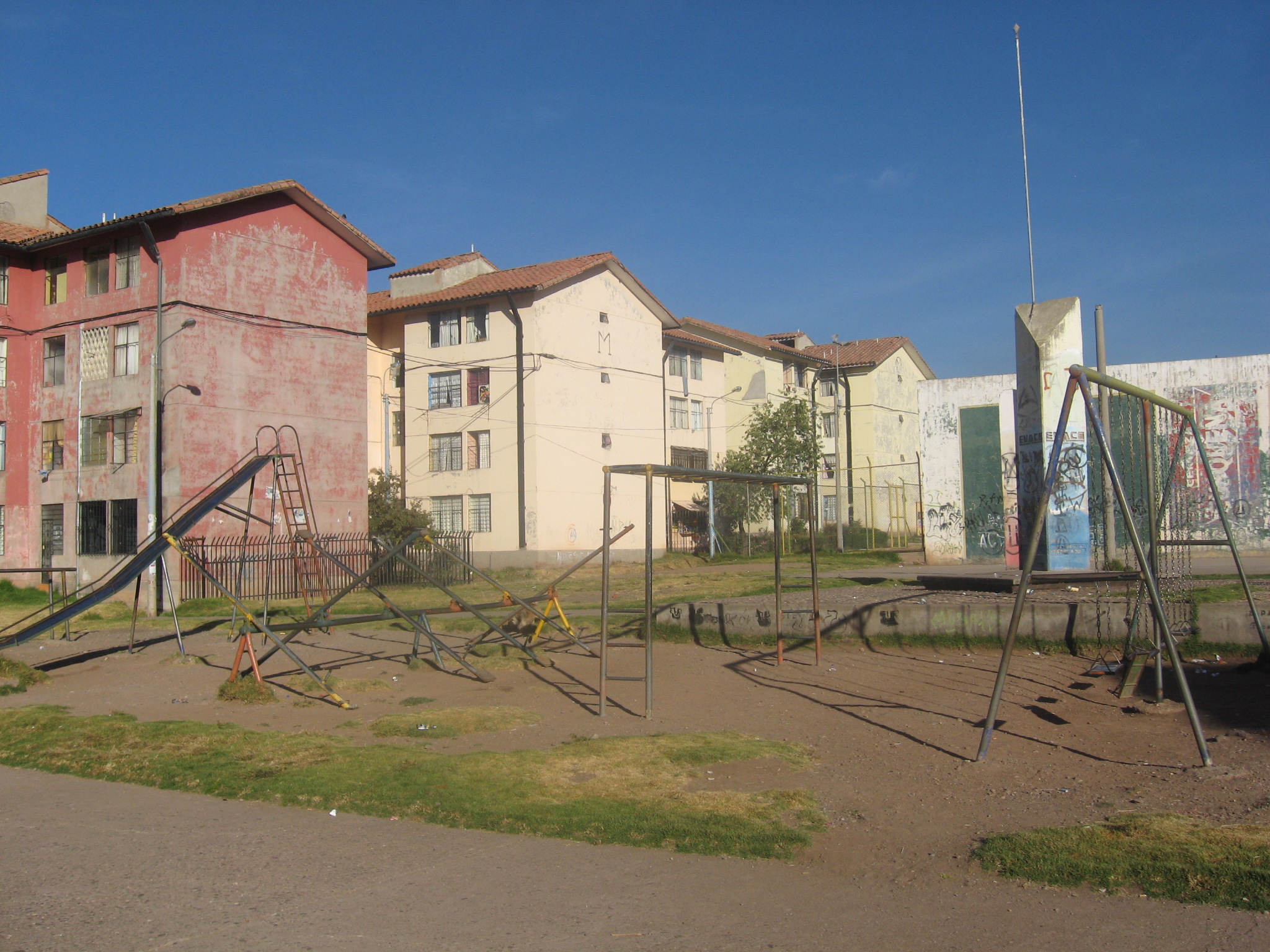
The picture is from the park in our complex. Although the soccer goal only collapsed in the past month or so, the park has been in complete disrepair for as long as I’ve been here, and most probably long before that. About a month ago, the mayor of Wanchaq put up a sign that he would build a beautiful new park in our complex, 80% financed by the city.

Great news, everyone was all excited, right?

WRONG. A bunch of people in our complex were up in arms that a nice new park would only attract drunks and teenage couples, so they complained at the municipality until the mayor dropped the idea of building a new park.

I once read in El Comercio: “Peru is a poor country because Peruvians act like poor people.” I totally agree with that. The reason our park is in disrepair has nothing to do with money and everything with attitudes. The people in our complex have cellphones and internet, they buy stuff every month from Avon and L’Ebel and so forth, but they refuse to improve the neighborhood they live in.
Our daughter won't play on this junk
Our daughter won't play on this junk

Our neighborhood in Cusco, Peru

Our neighborhood in Cusco, Peru

To any observer here it is obvious how the political and business elite in Lima is totally disconnected from the way of life in the provinces, plenty has been said about that. But I believe there is another issue in Peru:

The middle class is hiding from life.

The dilapidated park in our neighborhood is only one example. The middle class in the cities in Peru lacks initiative and organized behavior, they simply don’t act as if they are empowered to create a better tomorrow. On top of that, they complain about Indios but forget it’s people like Mama Vicky who put food on grocery store shelves. Say what you will about the current recession in the developed world, the middle class in the US is not to blame for that. The high standards of life in the US and Europe are because the middle class always felt empowered and believed they could make a better tomorrow.

I shake my head every time someone tells me they want to leave Peru because there are better opportunities in the USA. Horsebaloney. There are tons of opportunities in Peru, fantastic human and natural resources, but you have to make your own happiness. Take advantage of the opportunities instead of backing away from the challenges.

This is why every Peruvian needs a Jack Russell terrier. Our dog Roxi has boundless self confidence and energy, she will never, ever, back down. She barks at Rottweilers and Mastiffs – she might get her butt kicked, but she will never put her tail between her legs and go hide.

The Peruvian middle class needs a dose of that type attitude fast, so they will start taking on some of the challenges in Peru – or they shouldn’t be surprised in 2011 to wake up to their own copycat of Hugo Chavez or Evo Morales.
Viejo

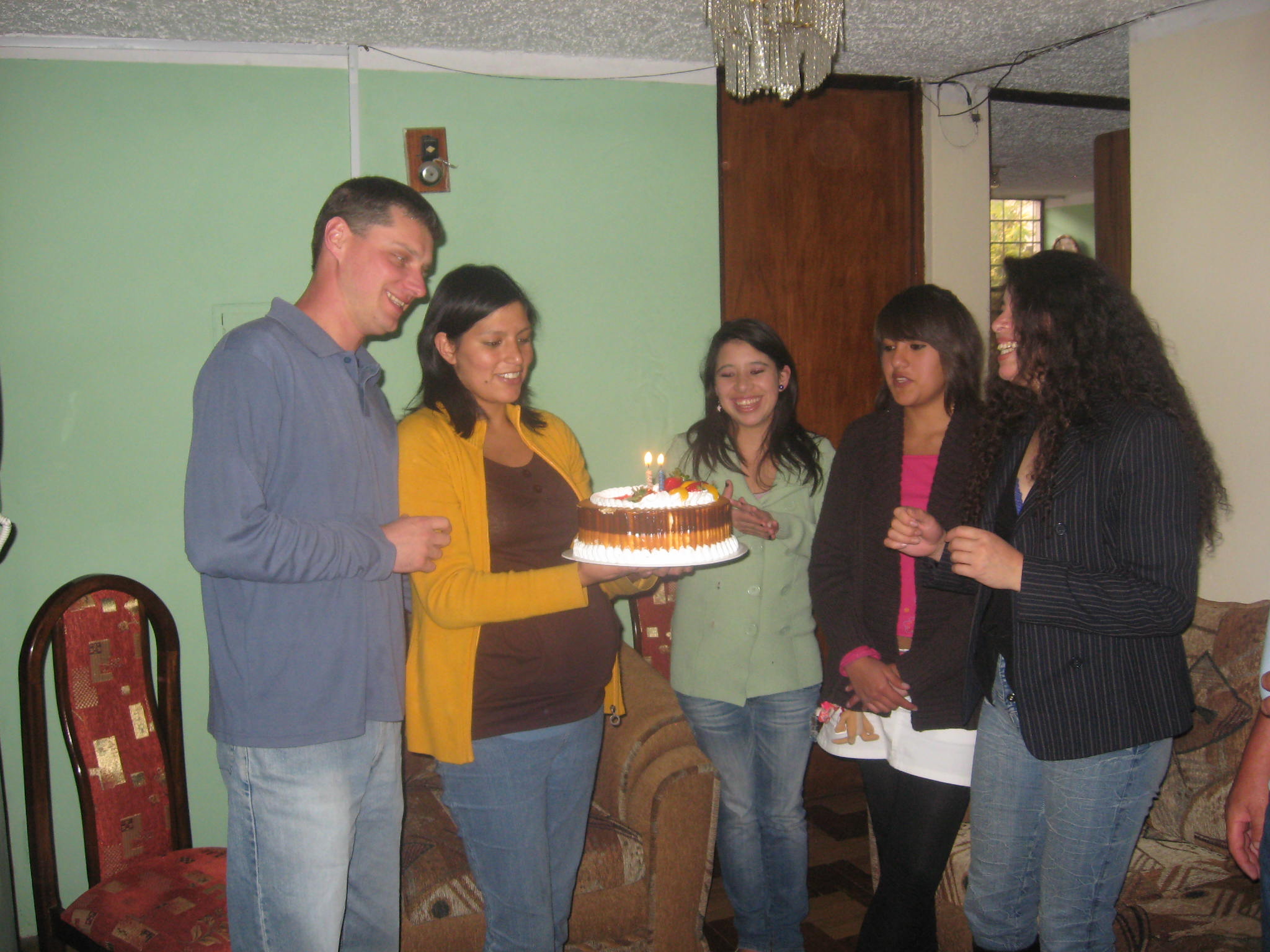
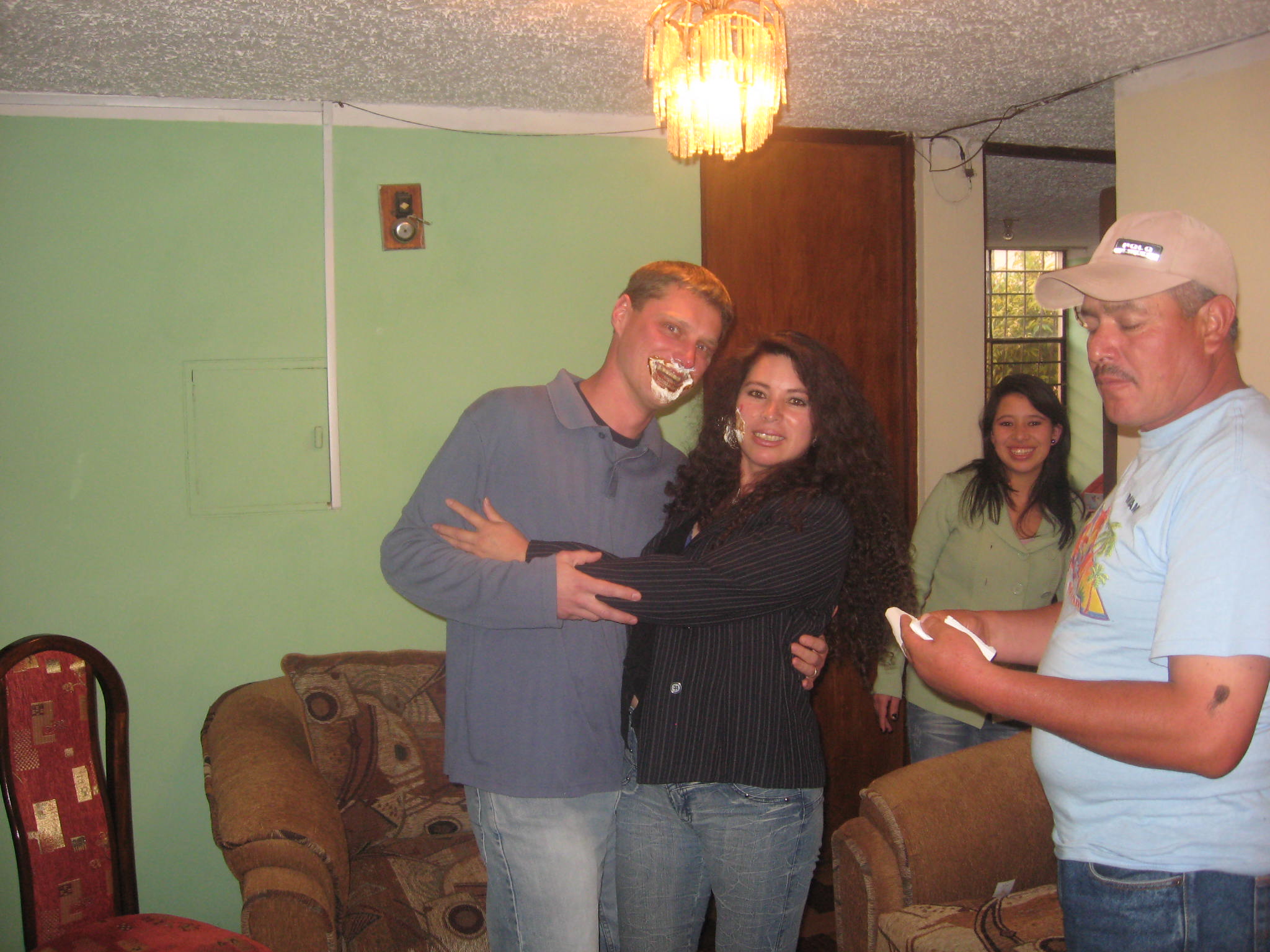
My birthday was this past Friday. Patricia thinks anyone with living memory of the 1970s is positively antique, so that makes me a viejo (old guy).

That Peruvians have a different concept of age is not really surprising, considering the population in Peru is very young. The median age is in Peru is 26, fully 10 years lower than in the US. One disadvantage is that age discrimination in the workplace is common here. At 35 I would not be considered for many jobs, but that’s not a great loss since working for someone else is often a sad proposition in Peru, with poor wages and working conditions. I think I’ll just make my own luck.

Here’s a few pictures of my birthday. We’re bad with math here in Cusco so we just put one or two candles on the cake, no matter what age. A fun part of the birthday celebration in Peru is that you get to take a “bite” out of the cake after blowing the candles out, and someone gives you a gentle push on the back of your head… that explains the whipped cream on my face 😉

Viejo getting ready to blow out the candle

Viejo getting ready to blow out the candle

After I took a bite from the cake

After I took a bite from the cake

Huanchaco

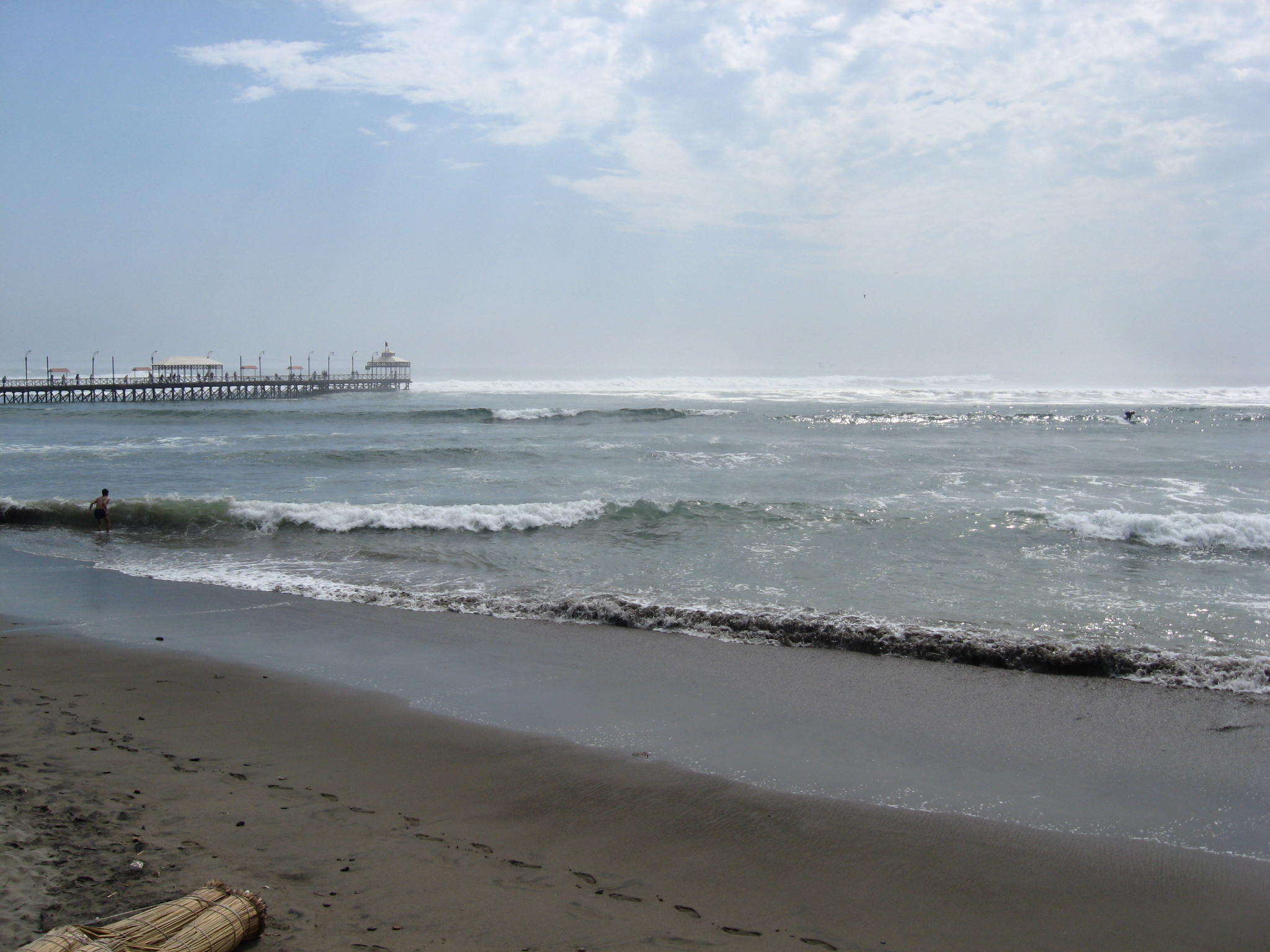
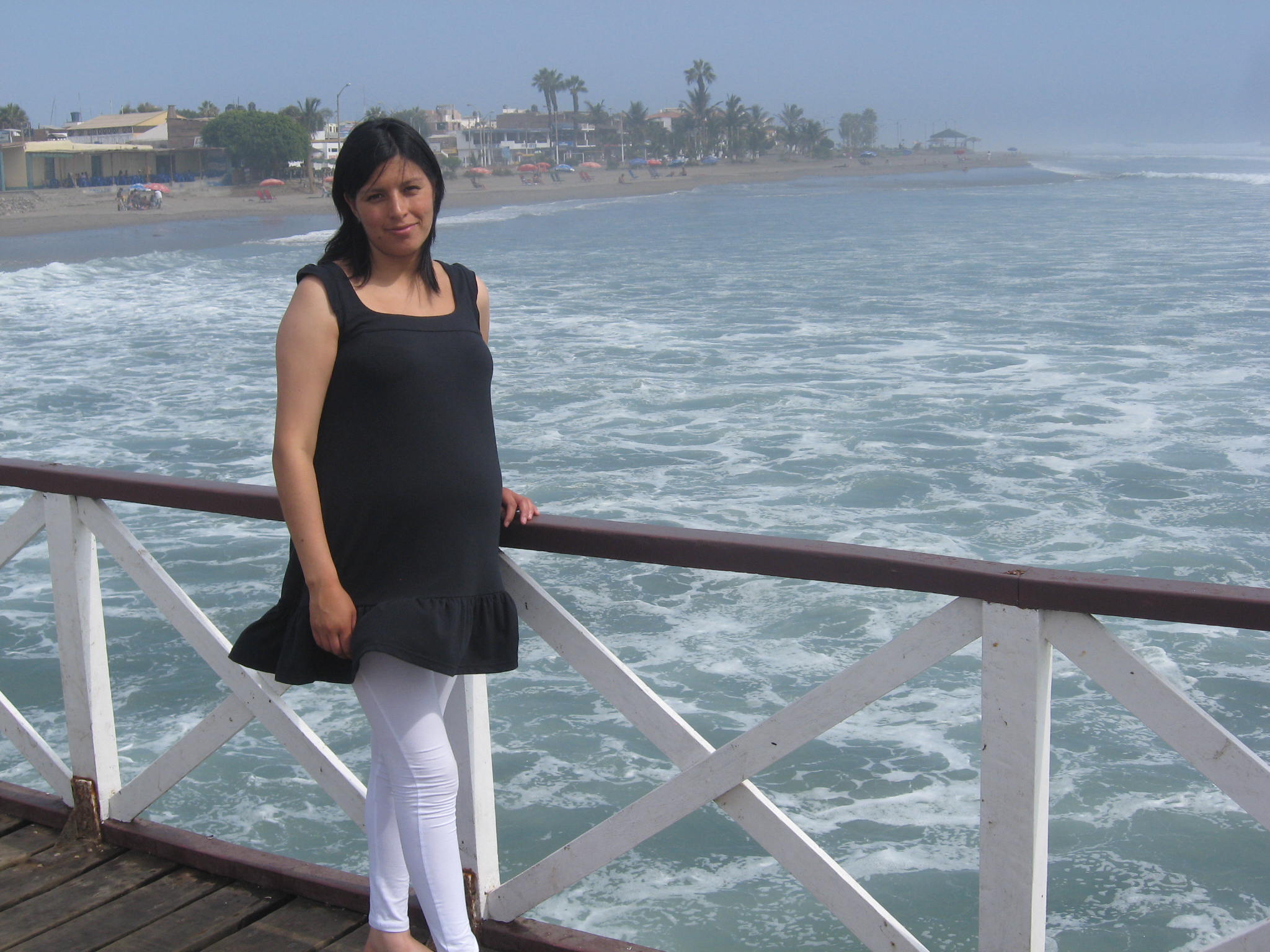
Last week we visited the seaside resort of Huanchaco, in the North of Peru. Huanchaco is a great little beach town, quiet, laidback and picturesque. The climate in the North of Peru is beautiful year round, and there is great surf on the Pacific Coast.

We took a walk down the malecon (boardwalk) and had lunch overlooking the ocean – after all, during our entire visit to Trujillo we were practically living like the Roman Emperor.

From Trujillo you can get to Huanchaco by taxi for about 20 Nuevos Soles (~ $7) or by public transportation, just ask the locals which bus to take. I highly recommend it!

Ceviche

Patricia had ceviche at a small seaside restaurant in Huanchaco last week. Ceviche is a typical Peruvian dish: fresh, uncooked fish, typically marinated in citrus and spices.

Ceviche

Ceviche

El Mochica, seaside restaurant in Huanchaco, Peru

El Mochica, seaside restaurant in Huanchaco, Peru

Algarrobina

We’ve been living like the Roman Emperor for almost a week now. We’re eating three-course meals with silver and porcelain every day – for breakfast. The reason for all this goodness is that we’re visiting a good friend of Patricia in Trujillo, the North of Peru. More on that later.

Algarrobina

Algarrobina

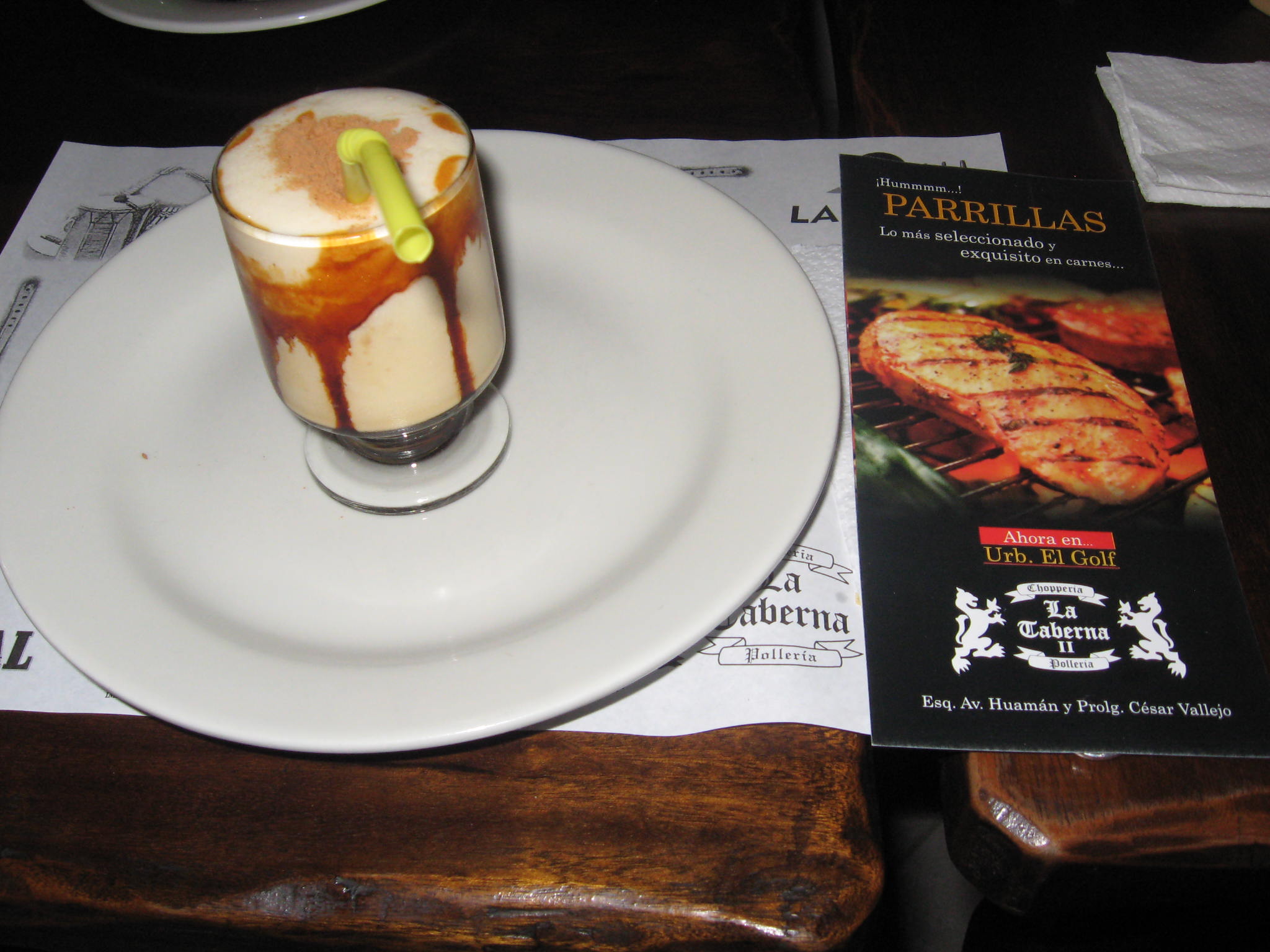
Monday night I had an Algarrobina, a drink typical of the North of Peru. The picture does not do justice to the presentation, it looked perfect before I got my grubby hands all over it.

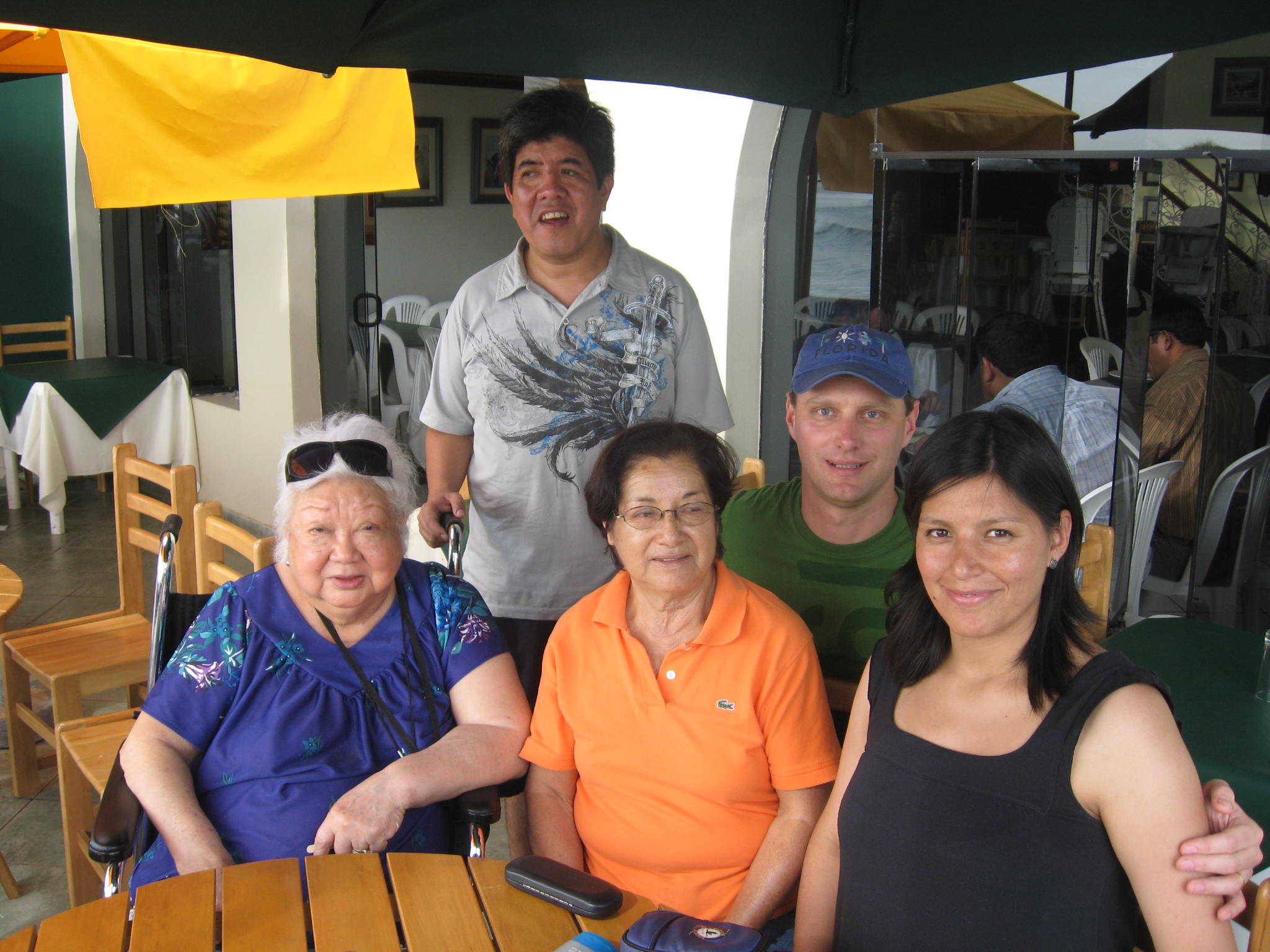
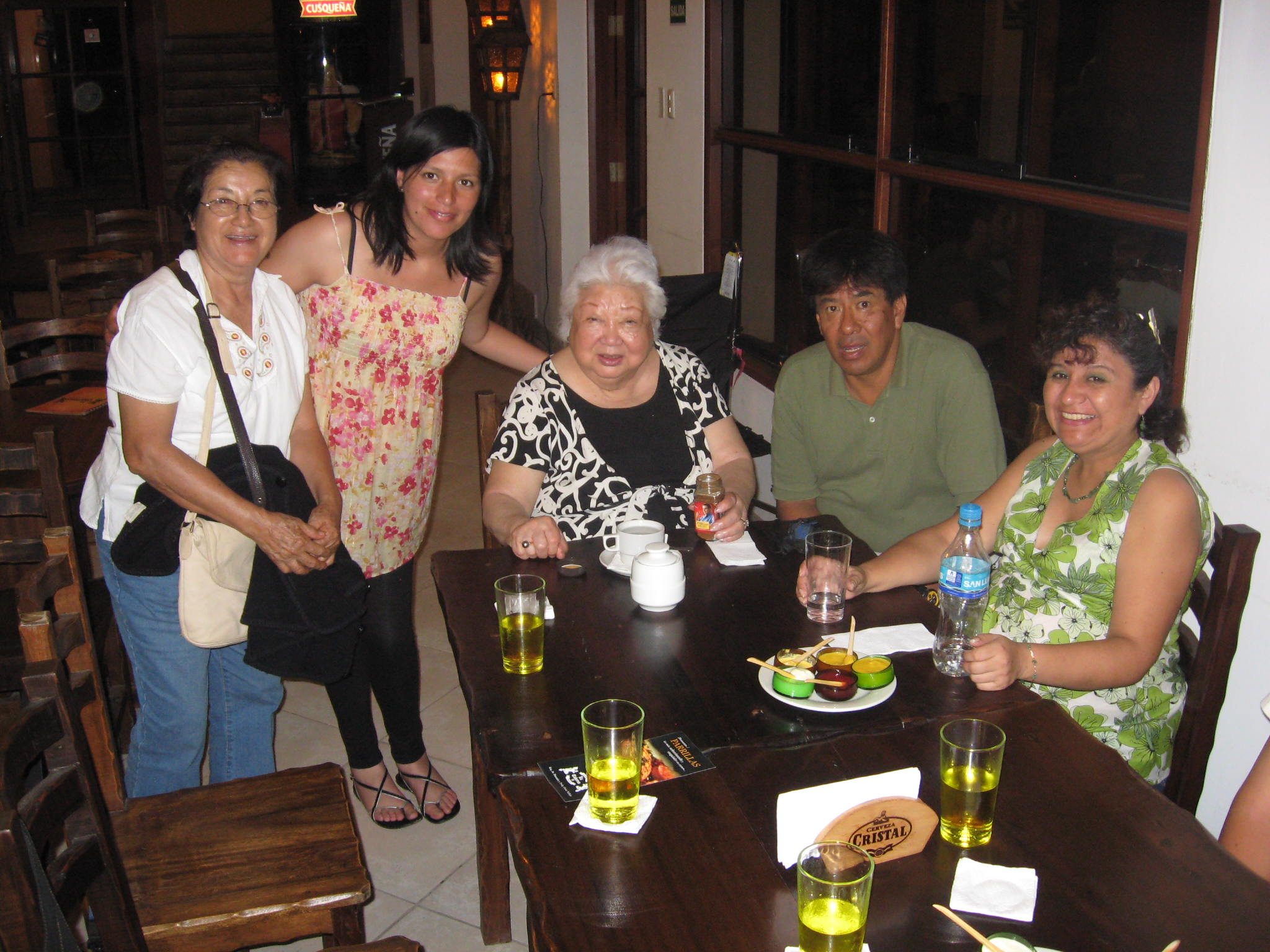
Carlos, the owner of La Taberna, with Patricia and other friends.

Carlos, the owner of La Taberna, with Patricia and other friends.

We were invited to “La Taberna II” by the owner Carlos, who is a good friend of our hosts. The restaurant is located at the corner of Avenida Huamán and Prolongación César Vallejo. It is one of the nicest restaurants in Trujillo, it would not at all be out of place in West Palm or Wrightsville Beach.

US – Cuba policy

President Obama has relaxed restrictions on travel and money transfers to Cuba.

Guess what? Peruvians don’t care. I don’t care. In fact, no one outside Miami or Washington DC cares.

Other than the US, practically the entire world has normal relations with Cuba. People here in Latin America travel freely to Cuba and have otherwise normal relations with Cuba. Many Latin American countries currently have democratically elected, yet left-leaning regimes (Ecuador, Bolivia, Brazil, Venezuela, …) and people still admire Ernesto ‘Che’ Guevara, evidenced by posters, shirts and hats with his name or semblance. For anyone who has lived in the poverty that still exists in Latin America, the US brand of capitalism and phobia of anything socialist is simply absurd.

I believe history won’t be kind to US politicians unless they normalize relations with Cuba immediately. The Cuba embargo hasn’t changed the Castro regime in nearly half a century, it’s become nothing but a distraction to many better causes our elected officials could spend their energy (and our tax dollars) on.

Changing perspectives

I had a great trip to the US, but cut it short. I missed Peru. I’m very fortunate to have great friends: I spent 10 days in 3 different States, everywhere I went my friends wanted me to stay longer.

I got a sunburn in Ohio – but it was great to see our friends there.

I had a loooooong layover in Miami, so I decided to take a bus in town and go shopping for baby clothes. Years ago I wouldn’t have been so keen to take public busses in Miami, but having spent time in Peru my perspective totally changed. These busses are nice! Big, roomy, with air conditioning and access for the disabled. The drivers actually obey traffic rules!!! There are nice little maps by the bus stop that show the bus routes and schedules.

Whoever is in charge of public transportation in Miami, please move down to Peru and straighten out the mess that passes for public transportation here!

Calle Procuradores, Cusco

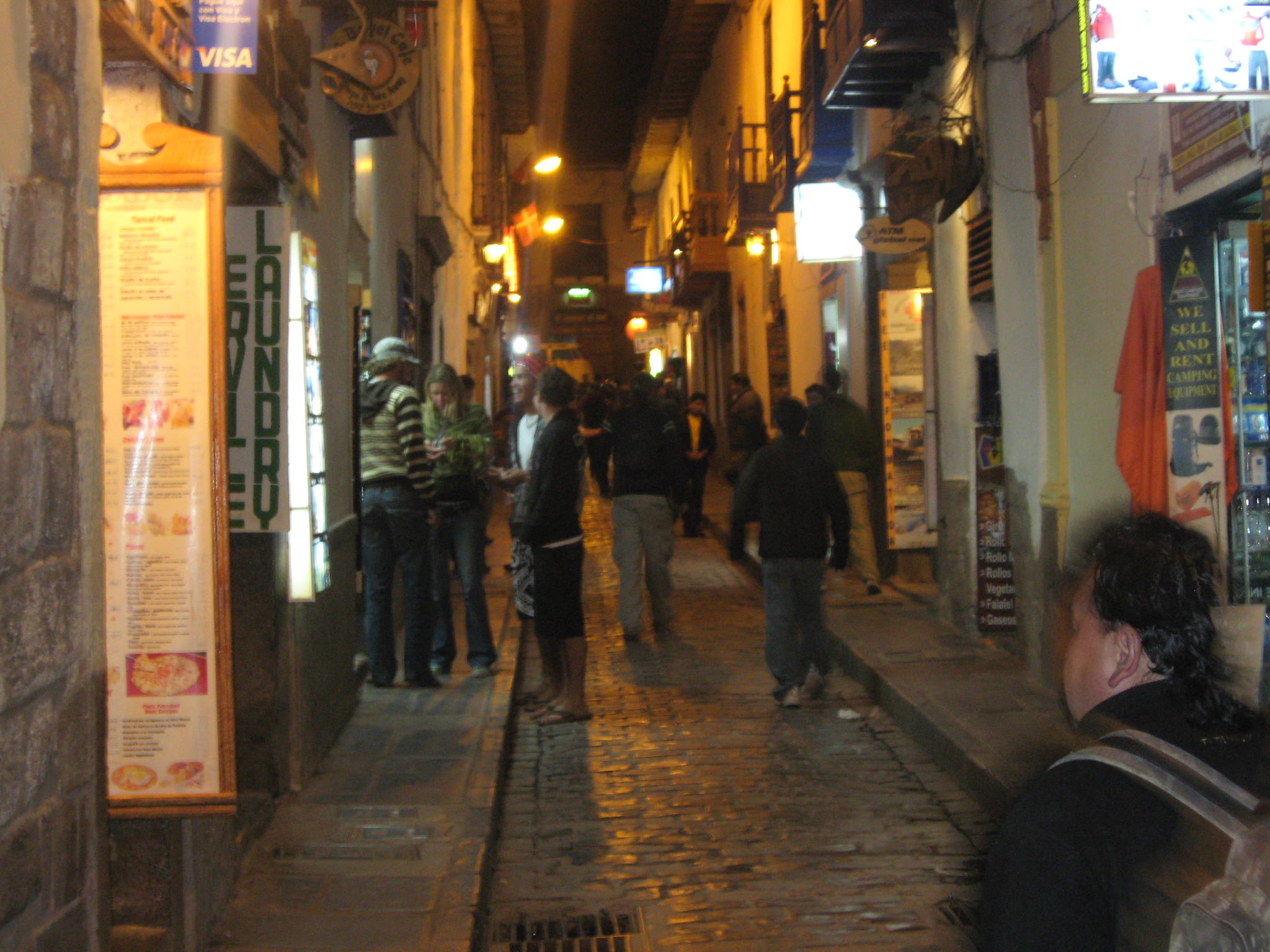
I took a walk through Calle Procuradores on the way home last night. Procuradores is a narrow street on the NW side of the Plaza de Armas in Cusco. There are a lot of small bars and restaurants on Procuradores, but to locals it’s known as the bad part of the Plaza de Armas because it’s the main hangout for the small-time drug dealers who peddle “weed” and cocaine (“Charley”) to the tourists.

Calle Procuradores seen from the Plaza de Armas, Cusco

Calle Procuradores seen from the Plaza de Armas, Cusco

Calle Procuradores, Cusco

Calle Procuradores, Cusco

Calle Procuradores looking towards the Plaza de Armas

Calle Procuradores looking towards the Plaza de Armas

Unfortunately local authorities don’t do anything to clean up Procuradores. I imagine plenty of kickbacks keep the status quo in place. It’s sad really, that people who come to a beautiful place like Cusco, with all of its attractions, entertainment and nightlife, still feel the need to fry their brains with cocaine to have a good time.

Walk through Cusco

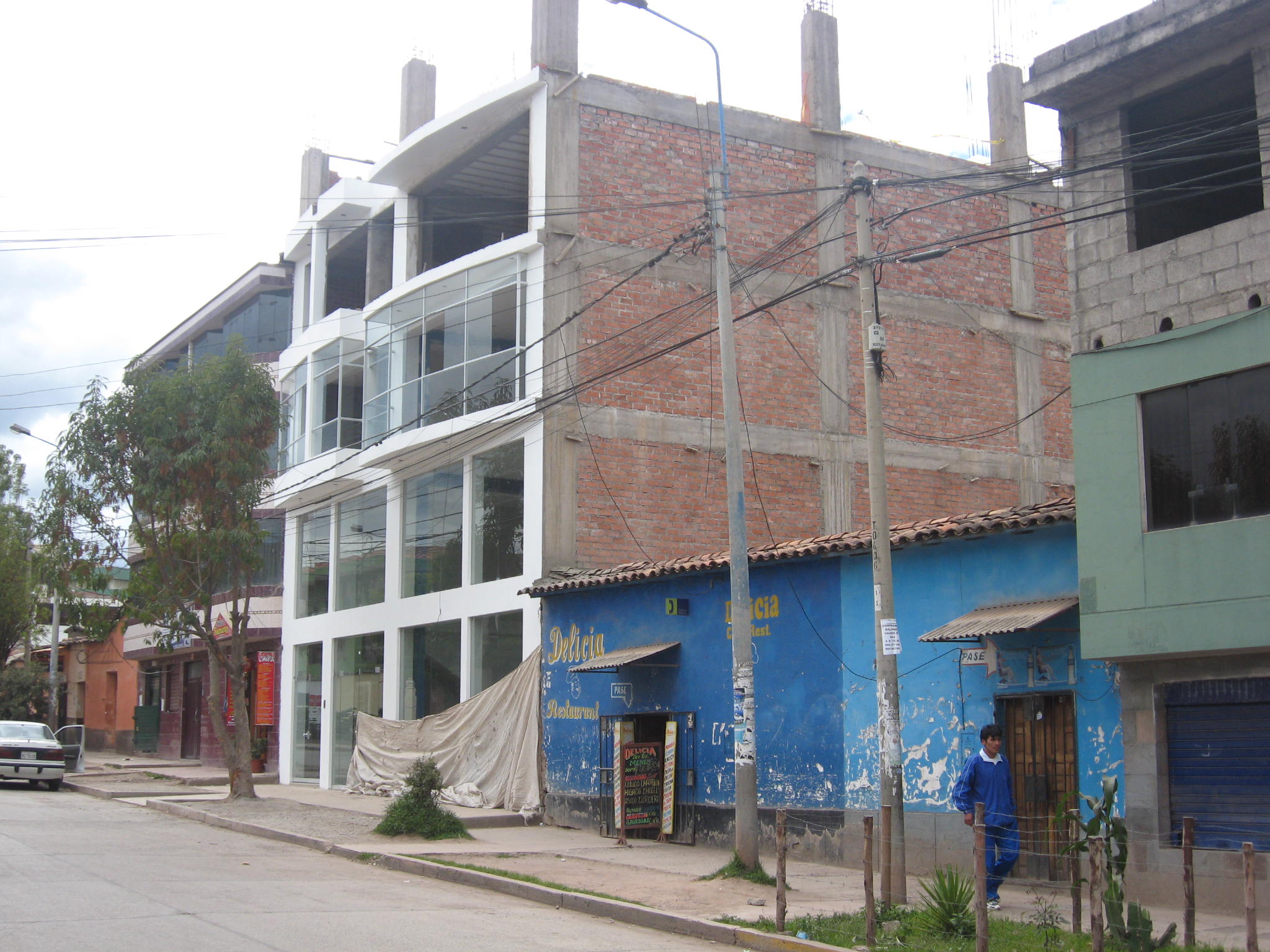
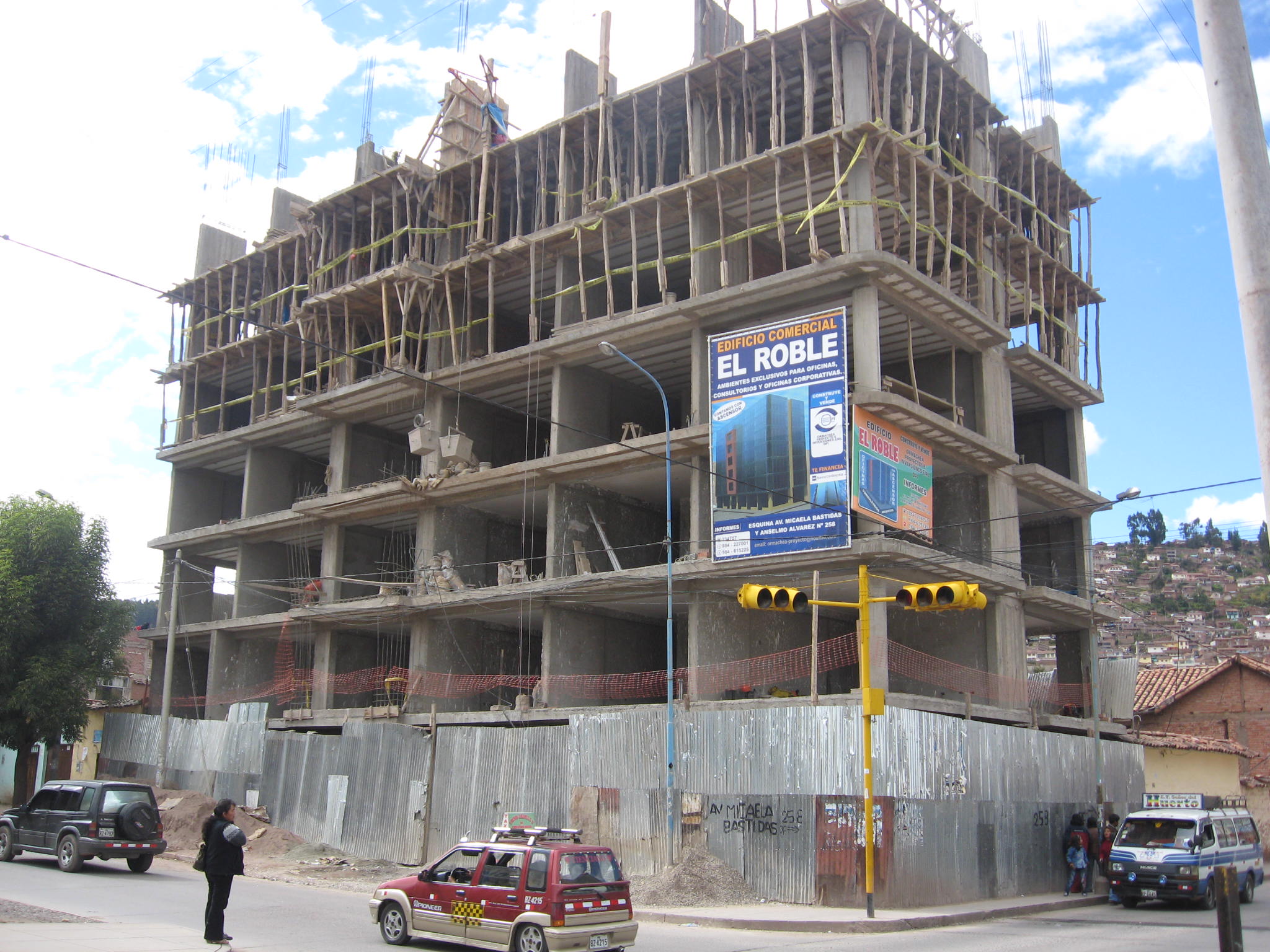
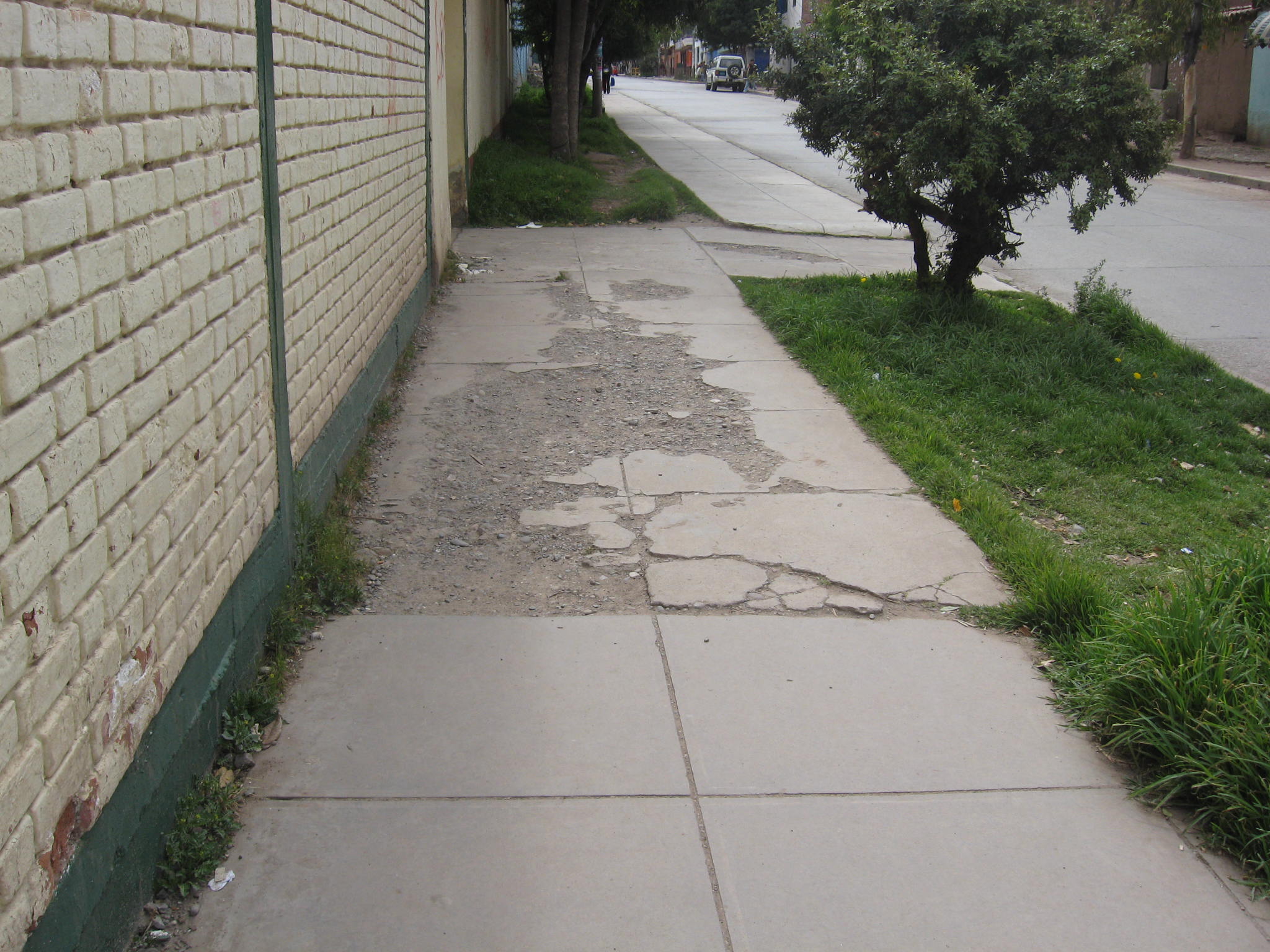
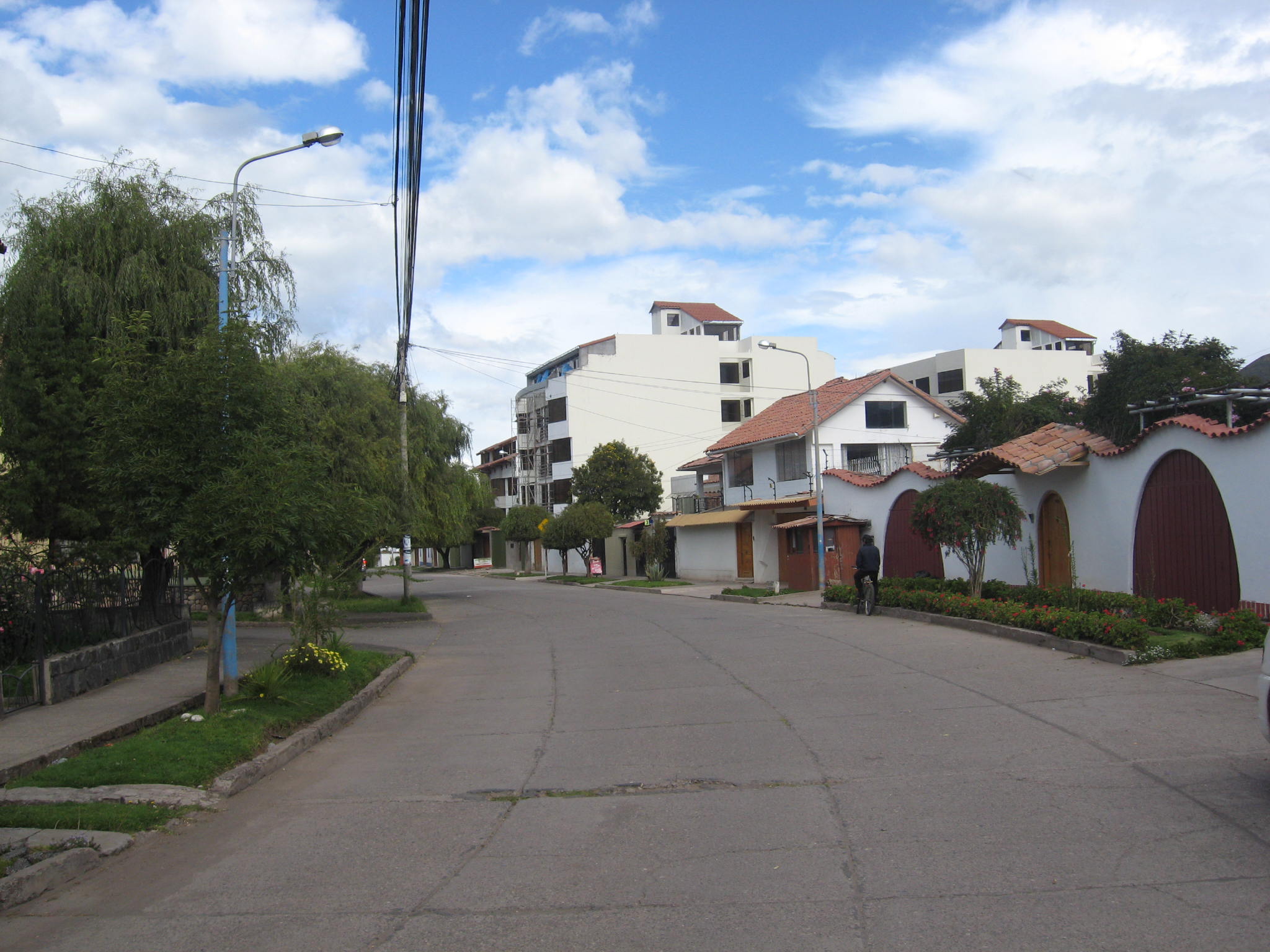
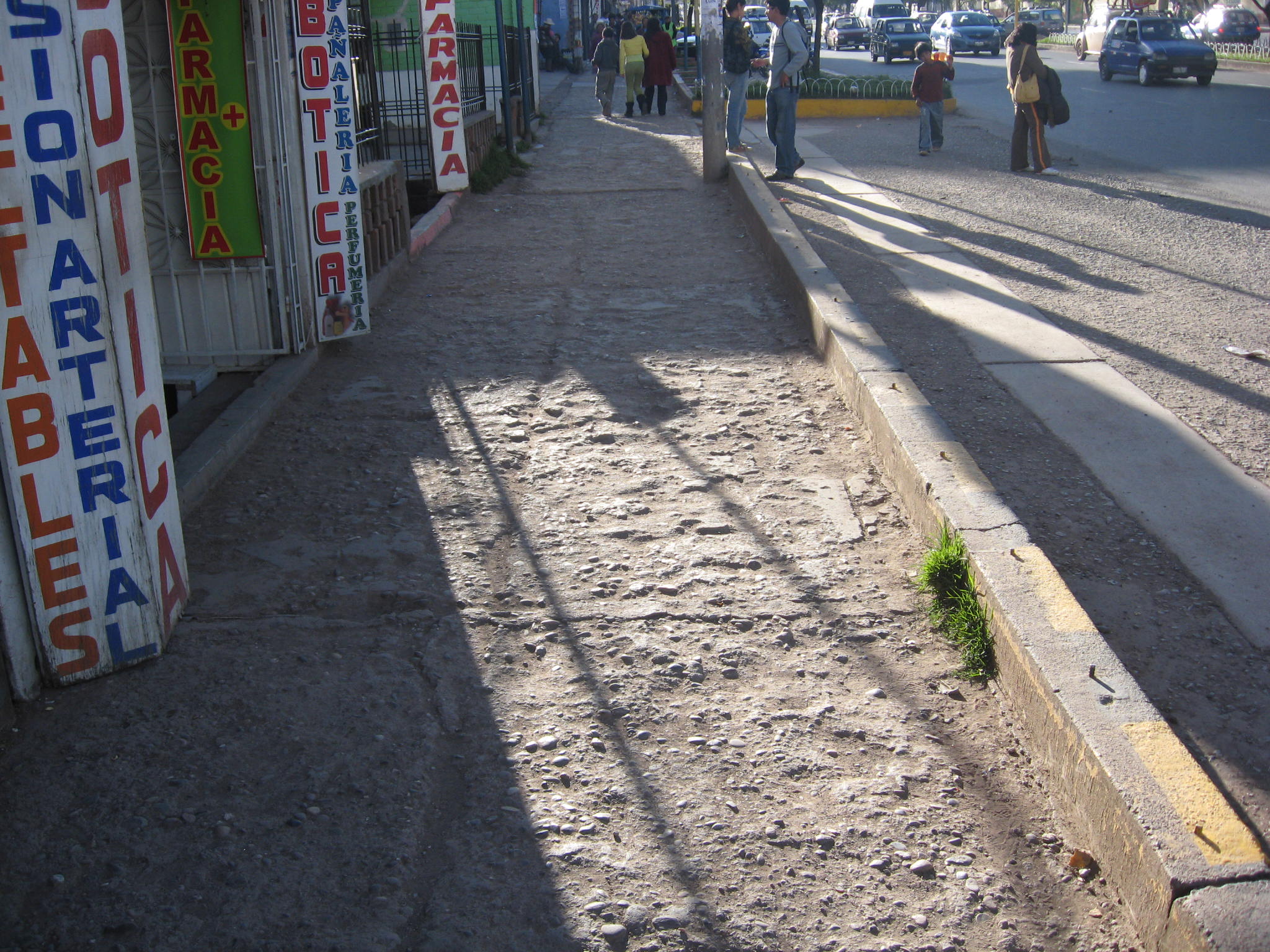
We took a walk through some residential areas of Cusco on Sunday. Wanchaq, our neighborhood, is a fairly nice, middle-class part of Cusco. Some of the nicest residential areas of Cusco are Larapa, Magisterio and Huancaro Residencial. There are also poorer neighborhoods both near downtown as well as on the outskirts of the city. The residential areas of Cusco are growing fast, new buildings are going up everywhere. True to Peruvian form, some unfinished buildings linger around for years.

Cusco is an expensive city by Peruvian standards, thanks to the tourist industry. The cost of real estate is entirely out of line with personal incomes. Asking prices for nice apartments easily exceed $50,000. Consequently, as in all of Peru, it’s not uncommon for 2 or 3 generations of a family to share a home, which is also why you find lots of young couples making out in public places.

These are pictures of middle-class residential areas in Cusco. I’ll try to get some pictures of the other districts later.