IKN Chart of the Day

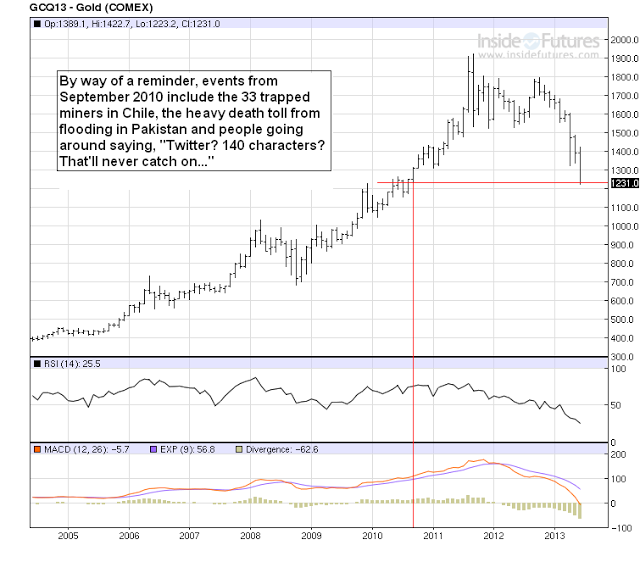
I caught a glimpse of Otto’s chart of the day over at IKN and shamelessly swiped the same:

gold_jun2013

Remember when gold was $1,200 and going up? The gold nuts said it was never ever gonna end? Of course neither was the real estate bubble, the internet bubble, RCA in the 1920s and 30s or tulip mania long before that.

Gold is a fickle thingy and I have no earthly idea where it’s going next. Maybe all the retail investors are dumping gold to jump in the big DOW / S&P500 comeback? If that’s the case surely we should call a top in the DOW / S&P500 in the next 24 months or so?

Hey Otto: special request, how about an S&P500 chart expressed in ounces of gold? See if that tells us anything.

I’m sure far more intelligent commentary could be scribbled here but a double shot of Jamaican rum and some fine music will do:

PS: On a serious note, I haven’t seen main street Peru react to the lower gold prices, there is still this “party will never end” attitude and that could be trouble: with the good macro numbers that Peru had been posting on the back of rising mining revenue also came an increase in consumer credit, imported consumer goods, declining trade balance, etc. Not saying end of the world is coming but I doubt Peru’s internal economy is as strong as many have come to believe.

PPS: Even I had something to say about gold going up at $12 something.

Dance Saya!

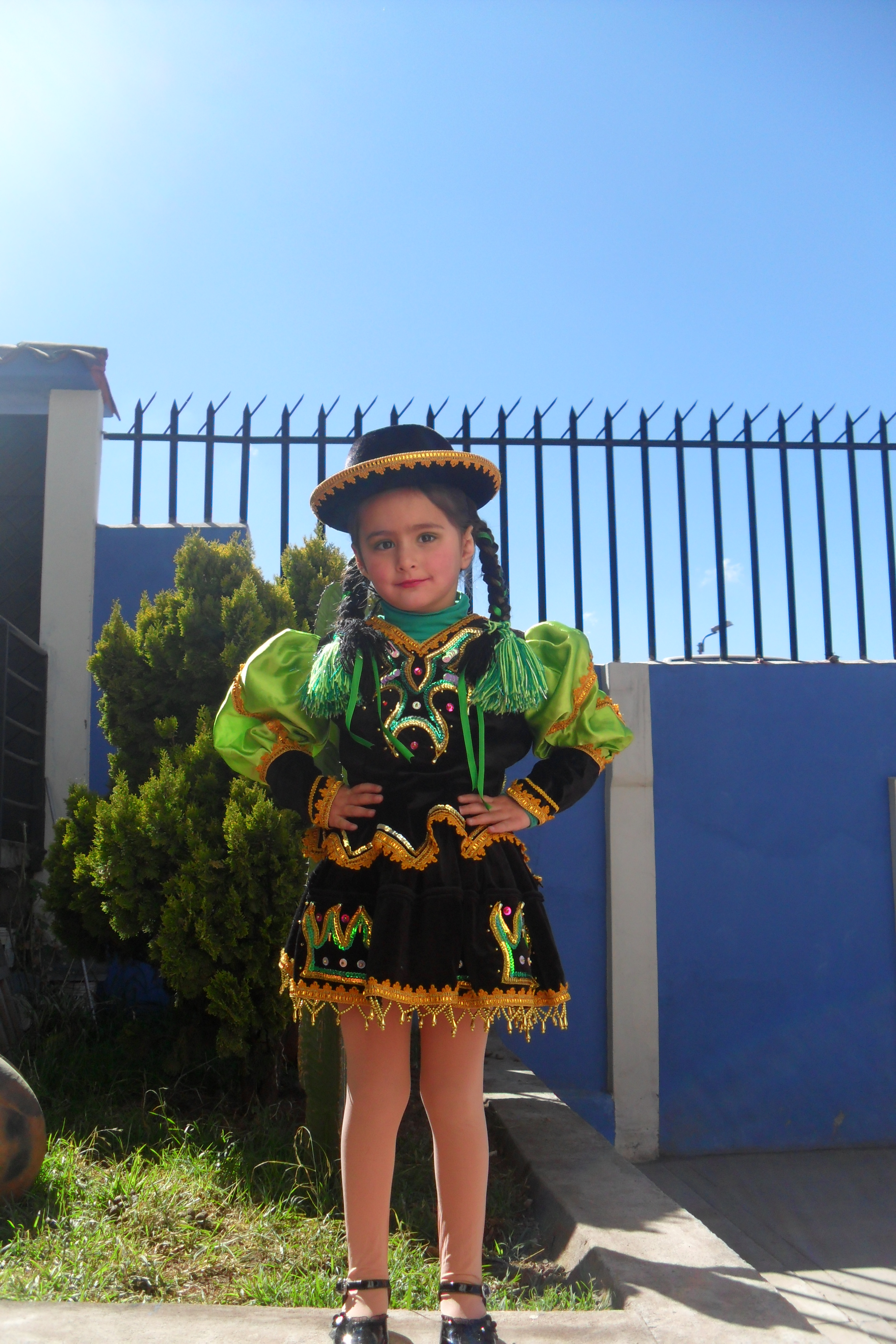
At my tender age it’s just not going to happen anymore but one of the things I wanted to do when I first came to Cuzco was to be part of a Saya dance group. I have work and kids, I don’t have time or style, so being a “Sayero” (that’s probably not a real word) is probably not going to happen for me in this life.

There are many traditional dances in Peru but here in Cuzco the “Saya” dance is by far the most common. I wanted to say “the Saya dance is the most popular” but I hesitate because there’s this odd love-hate thing between Cusqueños and Saya. In festivals and celebrations, parades and school dances, you see more Saya then any other traditional dances. We have several friends who belonged to Saya dance troupes that go to the Virgen de Candelaria festival in Puna every year.

Despite the fact you see more Saya in Cuzco than any other dance, many Cusqueños dislike Saya with a passion. They fuss and complain, why do we have to see more Saya? Why can’t we dance something different? Fuss fuss, on and on. Ostensibly the reason Cusqueños dislike Saya is – are you ready for it? – that the Sayeras show their bottoms when they dance and twirl their skirts and kick their legs up high. The Cusquenian middle class fusses that the “real” Sayeras wore shorts or under-skirts so as not to show their bottom when they twirl or kick their legs up high.

Type “baile saya” in Google images and you’ll see the supposed problem: the Sayeras typically wear these grandma-style black lycra bikini bottoms that wouldn’t excite anyone this side of the Iron Curtain but in traditionally prude Cuzco, that is still a problem.

There’s probably some truth to that, a bit of jealousy maybe on the part of jeans-wearing Cusqueñas (they all wear jeans all the time when they’re not dancing Saya or wearing their work/school uniforms) but I think the real reason Saya is disliked in Cuzco is that it is originally a dance from the Altiplano region of Puno and there’s a traditional jealousy between Cuzco and Puno. In fact there are many ethnic or regional distinctions in Peru: the Limenians don’t particularly like the Serranos, Arequipa is considered almost a country in it’s own, there’s a distinct Afro-Peruvian culture, the Serrano women think all the women of the jungle are horny and of loose morals, etc etc.

Of all the ethnic/regional distinctions in Peru, one of the most noticeable is toward the Puno region. Puno is very traditional Aymara/Quechua and is the region bordering Bolivia. Peruvians still have some resentment towards Bolivia because Bolivia supposedly got Peru involved in the War of the Pacific in the 19th century. In practical terms, Puno is cold as a witch’s boob and many Punenians have moved to nearby parts of Peru such as Cuzco, Arequipa and also to Lima. Punenians are some of the hardest working people you’ll meet but they are not interested in living a fancy pretentious lifestyle. Personally I think this is where some of the dislike of Punenians comes from: good old fashioned jealousy of the middle-class Cusquenians, who wear nice clothes and send their kids to private schools but at the end of the day live from paycheck to paycheck (kind of like, you know, the supposed middle class in the other 250 something countries in the world). Those middle-class Cusquenians grumble at the Punenian entrepreneur who has a little store in one of the “Altiplano” markets in Cuzco, lives in a very unpretentious manner but has $100,000 in the Caja Municipal (and gets 10% interest on his savings).

Anyway, it’s all petty harmless jealousy, I just wish I could be a Sayero!

ready to dance saya

Ready to dance Saya

dancing saya morena

Dancing Saya Morena

Proselytizing in Latin America

9:00 am the doorbell rings. You know who it is because it happens all the time: somebody wants to talk to you about the Bible. American (US) churches are relentlessly proselytizing in traditionally Roman Catholic Peru. Many homes have stickers on the door saying “we are Catholics, don’t bother”. About once a month somebody will come to our house, I usually say that I don’t have time because I’m trying to get the kids dressed and off to school and all that good jazz.

Now don’t get me wrong, I respect when someone has a strong faith and they want to share that faith with others. But the truth is, it doesn’t always feel that way. The proselytizing by US churches here in Peru has almost a corporate feel to it, a strategic plan kind of feel. They know the population here is young, the economy is growing, and that many Peruvians are receptive in a very mundane kind of way.

On flights back and forth to the US, I’ve sat next to Americans who came on missionary trips quite often. Many times they struck me as just nice people who wanted to come speak about their religion and do some humanitarian work. I’ve sat next to a doctor and a dentist who had come to spend their vacation in a small town providing medical work. They let it be known they came out of religious motivation, but in a respectful way.

On the other hand, I’ve had quite a few experiences like this: I was sitting in the Plaza Tupac Amaru one day when Brianna was only 6 months old. It was a beautiful day and she was enjoying the sun. We were approached by a group of US missionaries:

“Sir, do you know what’s going on in this world?”

Me: “Well, I try to do the best I can every day…”

Of course that was a dead give-away that I was a Catholic, and US Evangelicals have a very different theology, all about good vs. evil (and then they wonder why they’ve been practically non-stop at war for the past 70 years).

“Well Sir, we’d like to talk to you about the end of the world that is coming soon and that there is still time to prepare.”

Me: “Lady: I have a 6 month old baby. I know I can get run over by a Tico any time or struck by lightning or that our sun can go Supernova or the end of the world can come some other way, but I’d like to think my baby is going to have a full and happy life. I’m really not interested in hearing your end of the world come to our church and you’ll be saved preachings today.”

I know that wasn’t very tactful of me at that time but before you get offended ask yourself: when you’re enjoying a nice day in the park with your family, or when you’re rushing to get ready for work in the morning, would you be appreciative if somebody came to your door to talk about the Tipitaka or the Upanishads or the Qur’an? Would you really? What if they came every month? If you knew they were coming because it was part of an assignment? Almost like a corporate scorecard?

I respect people who have a strong faith and want to share it but please do so with respect for the culture you are in. One thing to realize is that 500 years after the Spanish conquest of the Inca empire, much of the Roman Catholic religion here in Peru remains influenced by the ancient Inca culture. In churches in Peru you will find lots of gold, images of the sun (for the ancient Inca sun god Inti), etc. The traditional images of the Roman Catholic church, such as the Virgin Mary or Jesus on the cross, are typically adorned in strong colors and gold, much like the traditional Andean culture and festivals. Many current religious festivals have their roots in ancient Inca traditions.

All this to say that changing someone’s religion isn’t easy, the number of people you sign up may not really reflect the adoption of your message, especially if that message is delivered with little understanding or respect of the current culture and religion.

altar gold Peru

Inside the Catholic churches in Peru you will find a lot of gold as well as images of the sun, a reflection of the historic Inca culture.

Typical Andean baby Jesus figure

Typical Andean baby Jesus figure.

The church of La Merced in Cuzco

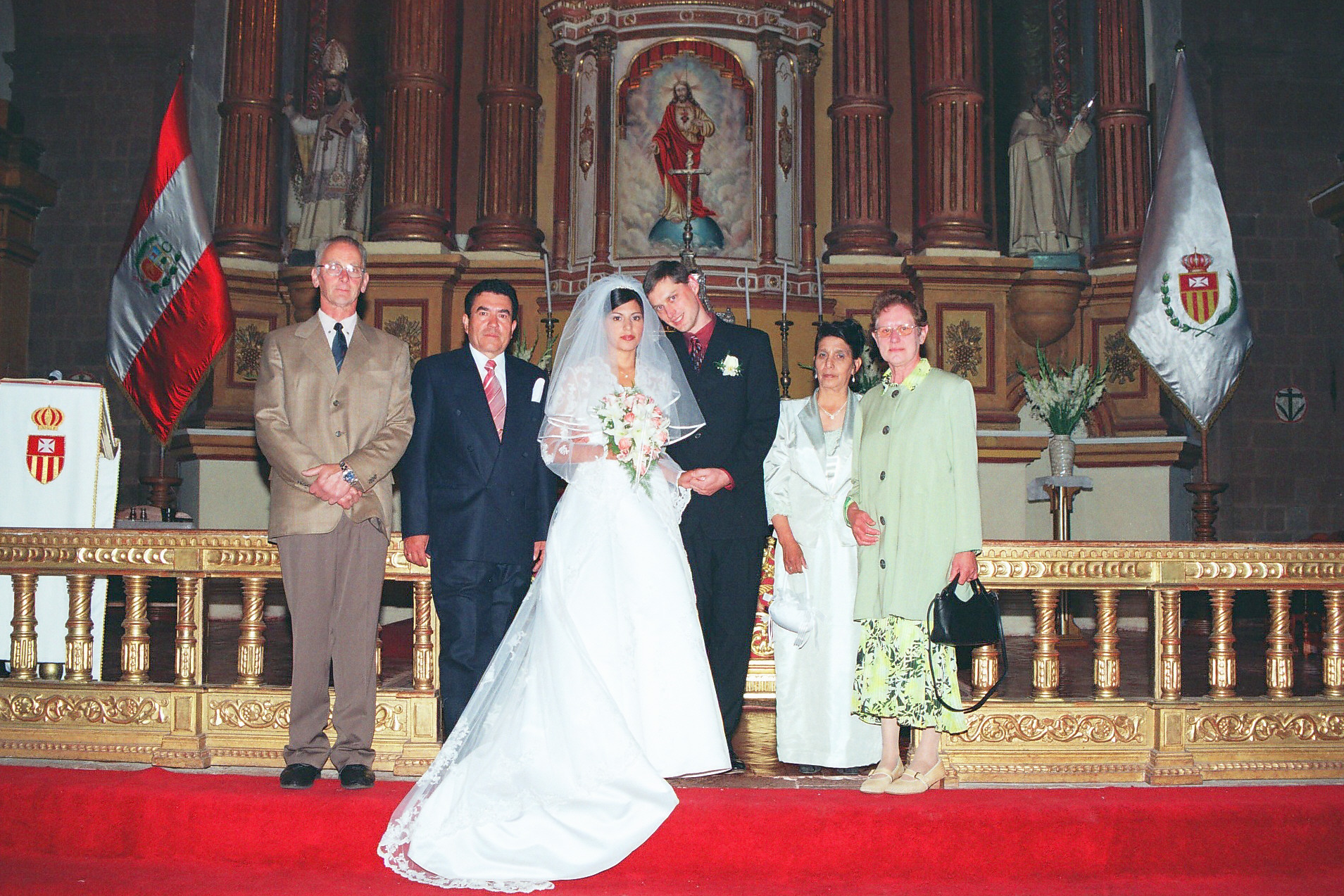
The church of La Merced in Cuzco has elements of traditional Inca culture as well as the Roman Catholic religion. To take pictures inside you have to get married there 🙂

Señor de Huanca

The shrine of Señor de Huanca. It is believed that here God made His home among men.

Señor de los Temblores

Señor de los Temblores – in Quechua “Taytacha Temblores”. One of the best known images of Cuzco.

Power of the sun

It is believed that if you stand in this spot in Machu Picchu with your arms raised to the sun, that you will receive healing and strength from the sun.

Inca Water Engineering – not what it once was

Ever wonder why some countries were historically known for one thing but now are nothing like that any more?

  • Australia as we know it was founded as a British penal colony, a big prison. Now nothing but friendly people – yes you know who you are 😉
  • Greece pioneered democracy and responsible government. Nowadays not so much. Sadly, I’ve personally spoken to more than one Greek citizen who wants to leave their beautiful country because they are so fed up with the incompetent and corrupt politicians.
  • Julius Cesar wrote that of all the tribes he conquered, the area that is now Belgium put up the fiercest resistance due to “being the most distant from civilization and therefor the most barbaric”. (and you thought I remembered nothing from high school) Nowadays Belgium is home to the EU, NATO, you can’t find a Flemish person in Brussels. Belgium is now an institutional center.

And last but not least:

In the time of the Inca, Peru was known for its architecture, civil engineering and water works. Nowadays, you really really don’t want to know. But I’ll tell you anyway.

Disclaimer: wise man told me you can’t come down to Peru and just expect to take the good without the bad and he’s absolutely right. However, sometimes you just have to get it off your chest so to speak.

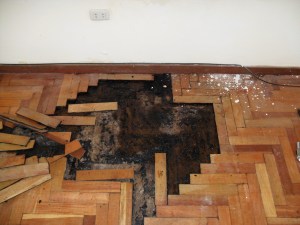
This was what our floor looked like on Friday morning, courtesy of a simple “repair” at our next door neighbor:

hardwood floor water damage

Our living room last Friday

Long story short our neighbor decided to “fix” the gutters on their house. The drain from the gutter used to be on the North side of their house, draining into the sewer system. There is a small porch on that side, so instead of fixing the existing drain, the workers decided it would be easier to move the drain to the South side of the house, into a low-lying grassy area, with no runoff at all. The drain ended up literally 10cm (4″) from our house, which happens to be about 1.5 meters (5′) below the neighbors house.

It is now rain season in Cuzco and after a long night of rain we woke up to bulging hardwood floors. Tomorrow we’ll be in the third day of repairs. The neighbors, the owner of our house, ourselves, all combined we have a good bit of time, money and grief over just one day of lousy workmanship. A nice, 40-year old floor scr***d up in less than 48 hours.

Unfortunately that type of thing is not unusual here.

I hate to fuss but picture yourself in this. Our daughter woke up Saturday with bad tonsilitis, I have a lot of year-end work to do that other people’s bonuses depend on, mamacita linda is expecting to give birth to our next princesita any day now. Not the time we want to have to deal with dumbass-induced headache.

But we’ll deal with this and as Bruce says: “Someday we’ll look back on this and it will all seem funny”

* * *

Next time you’re in Cuzco and have a craving for junk food, you should skip Mc Donald’s and head to Bembos across the Plaza de Armas. Food and all is the same but last time we were there we noticed Bembos had hired a young man with Down Syndrome to help with some cleaning and miscellaneous work. I know they’re legally obligated and all but you don’t see that very often. Maybe the young man won’t be there any more, I know these things aren’t easy but I appreciate that they extended the opportunity.

* * *

Maybe I’ll name our next baby goose “Rosalita” in honor of this incident. Or go all Hollywood and name her “Purple Rain”. What do you think?

Watch all the way to the end.

Yes I did have 2 glasses of Argentine Malbec before writing this. I needed it 🙂

Feliz día de la canción criolla

Happy Halloween!

Running late trying to get a last minute Halloween costume? Since 31 October is also día de la canción criolla, why not impress your friends with your Peruvian touch and dress up as your favorite singer of musica criolla?

Eva Ayllón or María de Jesús Vásquez Vásquez perhaps?

Arturo “Zambo” Cavero maybe? Or grab your guitar and pay tribute to the late maestro Félix Casaverde.

From Wikipedia:

Música criolla is a category of Peruvian music that combines mainly African, Spanish and Andean influences. Afro-Peruvian music was first created by African slaves in Peru during the Colonial Period and beyond.

Here are some Youtube videos of musica criolla. Although musica criolla is perhaps most strongly associated with Afro-Peruvian culture you can see the many musical influences, the diversity of Peru is reflected in its musica criolla:

Feliz día de la canción criolla!

Happy Father’s Day

Happy Father’s Day to all you fathers. If Father’s Day is on a different date in your part of the world, we still wish you a happy Father’s Day whenever it may be 🙂

Here’s Brianna’s dance for Father’s Day at her jardin “Mi Segunda Casita” in Cuzco. I used to think Latinos were born knowing how to dance, now that I have a little goose growing up here in Cuzco I realize that Latinos are born knowing how to dance and they get better after that by practicing all the time.

My most popular Peru pictures on Flickr

I’m a bad picture-taker and lately I haven’t had much time to share via social media – so happy I got rid of my Facebook 🙂 – but occasionally I upload a few pictures to my Flickr page. I’m sometimes surprised by which pictures are rated as most popular or most interesting after some time on the site. The following are some of my most popular Peru pictures on Flickr:

Many of my most popular Peru pictures are pictures of Peruvian food. Here’s a picture of typical Andean food, I believe this was at a wedding party:

Typical Peruvian food

This picture was from our trip to Ancon, a beach resort just north of Lima. I can see why this picture would be popular, I mean, just look how good-looking he is 🙂

Playa Hermosa, Ancon, Peru

Of all my popular Peruvian food pictures, this is actually the only one of food that I cooked myself: papi’s world famous salchipapas! Salchipapas are a popular snack in Peru, french fries, fried slices of hot-dog and all the sauces you crave. I like mine just with ketchup.

Homemade salchipapas

Here’s a picture of Peru’s national dish: ceviche. We took this on our trip to Huanchaco. I was very sad to learn last week that our friend and host in Trujillo unexpectedly passed away last week. QEPD Sr. Alejandro.

Ceviche

My pictures of the shrine of Señor de Huanca near Pisac are also popular. According to the legend, the shrine of Señor de Huanca is where God made his home among men. It is believed that Señor de Huanca will grant any blessing to those who come with a pure heart. The idea of pure heart is not necessarily the definition that the Roman Catholic church might give, it is simply pure heart. The shrine of Señor de Huanca is a bit of a blend between the traditional Andean religion and the Roman Catholic religion brought to Peru by the Spanish. For any religious or spiritual person, you should not miss a visit to the shrine of Señor de Huanca when you are in Cuzco.

Señor de Huanca, near Cusco, Peru

Another picture of the shrine at Señor de Huanca, my beautiful wife and baby at the side of the main Señor de Huanca church building. In the buildings behind them true believers enter to light candles and ask for the blessing of Señor de Huanca.

Señor de Huanca

Another example of the blend of Andean and Roman Catholic influence: Chiriuchu is the typical dish on Corpus Christi. Chiriuchu is the Quechua word for “cold dish”.

Chiriuchu

More Peruvian food pictures. This soup was cooked by Patricia’s 80-something grandmother, on her fogon, traditional cooking over an open wood-fired flame.

Traditional Peruvian soup

What would all that good food be without a good drink? I don’t have any pictures of Peru’s national drink, Pisco Sour, but here is a picture of another drink more popular in the North of Peru, algarrobina.

Algarrobina

Many visitors come to this blog searching for info on Señor de los Milagros. Señor de los Milagros is worshipped in Peru as He is believed to protect Peruvians from earthquakes and other harm. The month of October is month of Señor de los Milagros, during this time there are processions throughout Peru when the image of Señor de los Milagros is carried through any and all neighborhoods. Here is some good background on the origin of Señor de los Milagros.

Señor de los Milagros

Another way you will see the blend of Andean and Christian culture is at Christmas, take a look at this typical Andean baby Jesus figure, it looks nothing like the traditional Roman Catholic image of Jesus:

Typical Peruvian "baby Jesus"

Finally, we haven’t really done much touristy stuff in quite some time but here is a picture of Patricia and some of her friends visiting Choquequirao. It takes 3-4 days hicking (there and back) to visit Choquequirao. Really, you shouldn’t let the picture fool you because even though they all look like tough adventurers here, the truth is all of them are very much city slickers 😉

Patricia and friends in Choquequirao

As I said, I’m not a good picture-taker by any stretch of the imagination. If you are looking for really good Peru pictures, check out Cusquenian’s Flickr page.

Finally, I also upload some of my flying / ferry pilot pictures if you’re into that kind of thing.

Hey you – wanna know a secret?

Can you keep a secret? Promise not to tell?

Here it is, ready? The password for the WIFI at the Hotel El Gran Marques in Trujillo is “moche”.

I know this because I stayed at the Gran Marques on my last overnight stop during a trip from the US to Peru last week. I don’t know if the friendly people at the Gran Marques intended for me to publish their little secret but then again I can’t really see a lot of this blog’s readers heading to the parking lot of the Gran Marques just to take advantage of free WIFI.

There is a point to the story – and the point is that they chose “moche”. Not “Inca-this” or “Inca-that”, “Machu Picchu” or “Wayna Picchu”, but “moche”. The people at the Gran Marques are proud of their Moche heritage and for that reason alone I will stay at the Gran Marques again on my next trip!

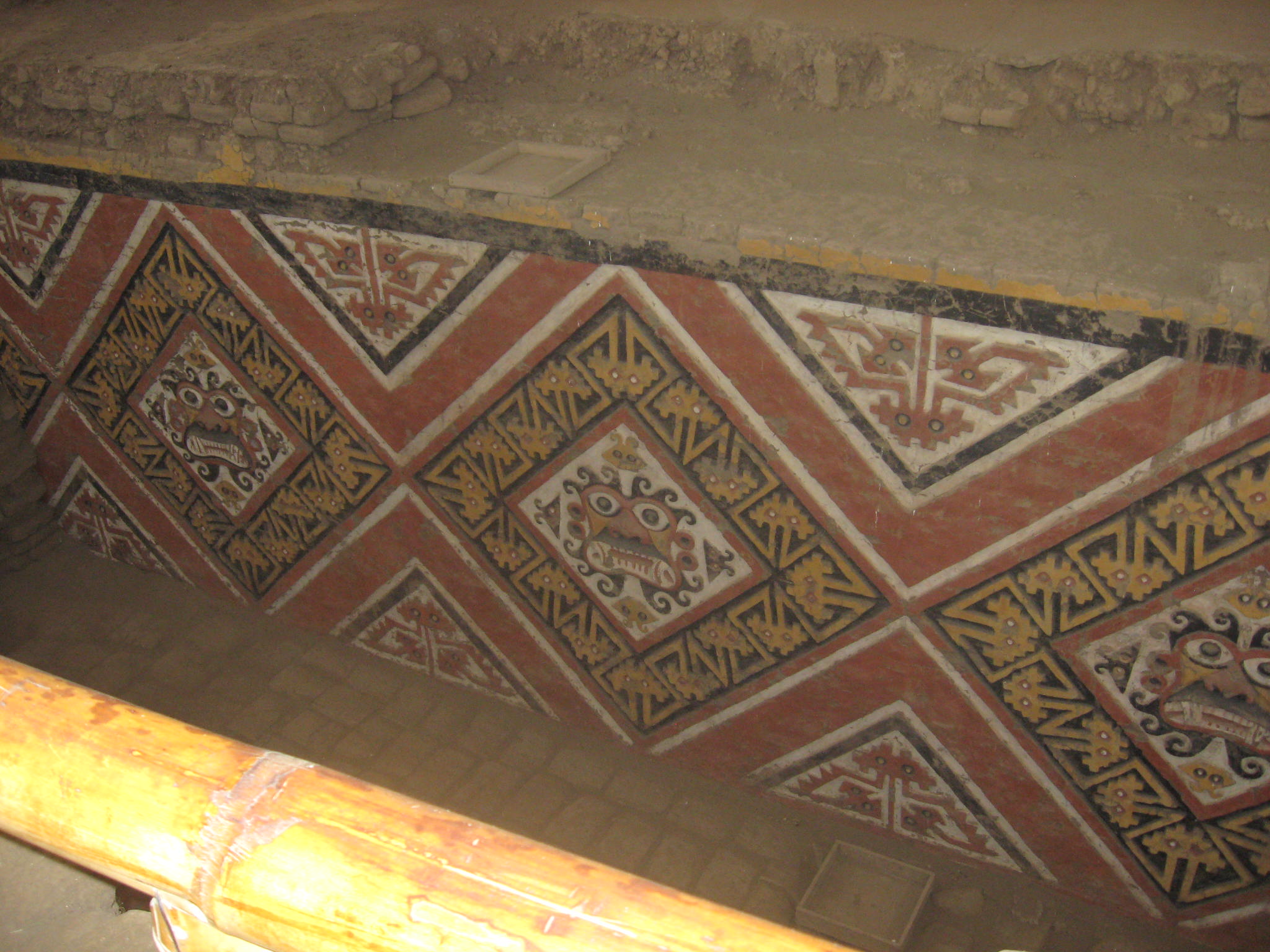
Moche was a pre-Inca culture in Northern Peru and today the people in Northern Peru remain proud of their Moche ancestors. Today the Moche culture is perhaps best known for their elaborate paintings such as this one at the Huacas del Sol y de la Luna.

moche painting

Moche painting in Northern Peru

Trouble is, unless you’ve had a chance to spend a good bit of time in Peru outside of the typical tourist circuit you may have never heard of Moche or any of the other the great cultural diversity that exists in Peru.

Take a look at this screenshot, I typed “Peru” in Google and searched for images only:

peru-images-google

Screenshot of Google image search for Peru

You can only see part of the results in the picture above but try it for yourself, type “Peru” in Google’s image search and see what you get. Other than a few pictures of maps and flags, my search results returned:

  • 1 picture of a blond girl at Lake Titicaca,
  • 1 picture of the beach near Miraflores,
  • 8 pictures of Machu Picchu, and,
  • Nothing else!

Now Machu Picchu is a fabulous place to visit and the touch-stone location for Peru or maybe all of Latin America, but I regularly hear the same sentiment from Peruvians and expats here alike that the image of Peru – and what little bit the typical tourist visits – is incredibly one-dimensional and not at all representative of the diversity that exists in Peru.

There is so much more to Peru than just Pizza Street in Miraflores, the Inca Trail and Machu Picchu. Unfortunately you have to sort of seek out the path less traveled to get to know the rest of Peru.

Traditionally Peru has been said to consist of 3 regions: the coast, the Andes mountains and the jungle, but even that is too simplistic. Lima as a modern-day metropolis is a distinct area, the North of Peru has its Moche heritage, there is an Afro-Peruvian culture, Asian influence, and regions like Arequipa and Puno have a very distinct feel to them unlike the rest of Peru.

If you have a chance to visit Peru and want to see what the country is like away from the typical tourist circuit, sneak away from your tour group and just hop on any bus – don’t even ask where it’s going. There are many great things to be discovered!

Some pictures of the North of Peru:

trujillo cathedral

Trujillo Cathedral

algarrobina

Algarrobina, a drink more typical of the North of Peru

moche paintings

Moche paintings

huanchaco

Huanchaco, Peru

huanchaco

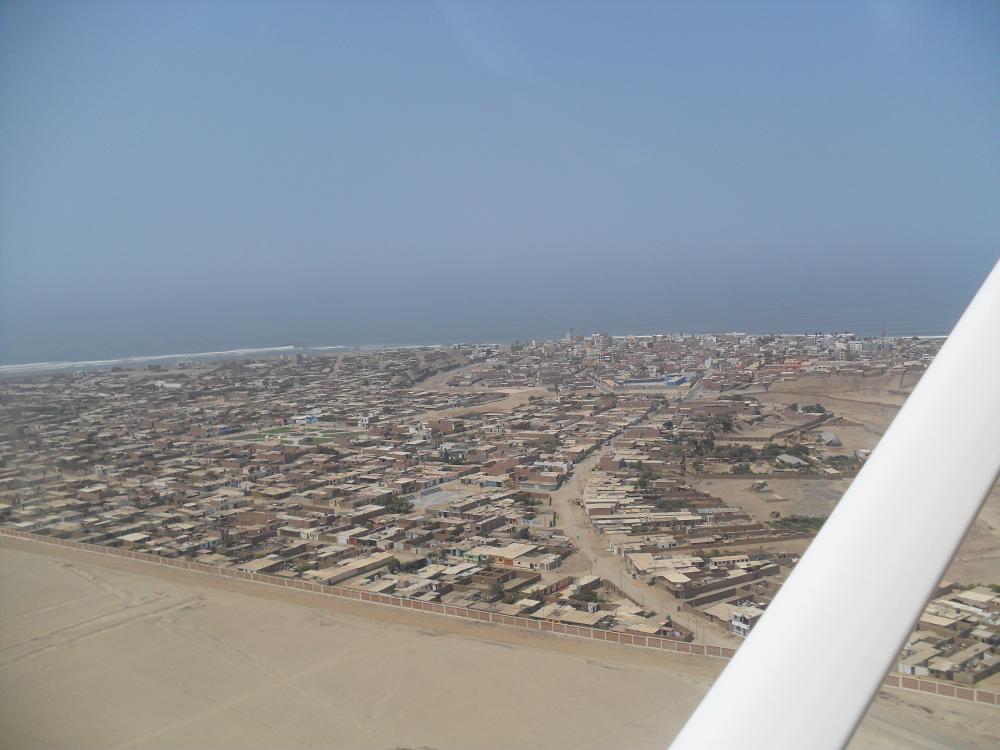
A picture I took on takeoff from Trujillo, the beach town/resort of Huanchaco

Día de todos los Santos Vivos

Yesterday, Nov 1, was “Día de todos los Santos Vivos” here in Cuzco, the celebration of the Catholic holiday All Saints Day. Since the time of the Spanish conquistadores, much of the traditional Andean culture in Peru has been absorbed or continued in some form in the Catholic religion and Catholic holidays, therefor the celebration of “Día de todos los Santos Vivos” in Cuzco is a blend of Andean and Catholic traditions.

From gosouthamerica.com:

The Andean emphasis is agricultural, since November 1 is in spring south of the Equator. It is the time of returning rains and the reflowering of the earth. The souls of the dead also return to reaffirm life. During this time, the doors are opened to guests, who enter with clean hands and share in the traditional dishes, particularly the favorites of the deceased. Tables are bedecked with bread figurines called t’antawawas, sugarcane, chicha, candies and decorated pastries. At the cemeteries, the souls are greeted with more food, music, and prayers. Rather than a sad occasion, the Día de Todos Santos is a joyous event.

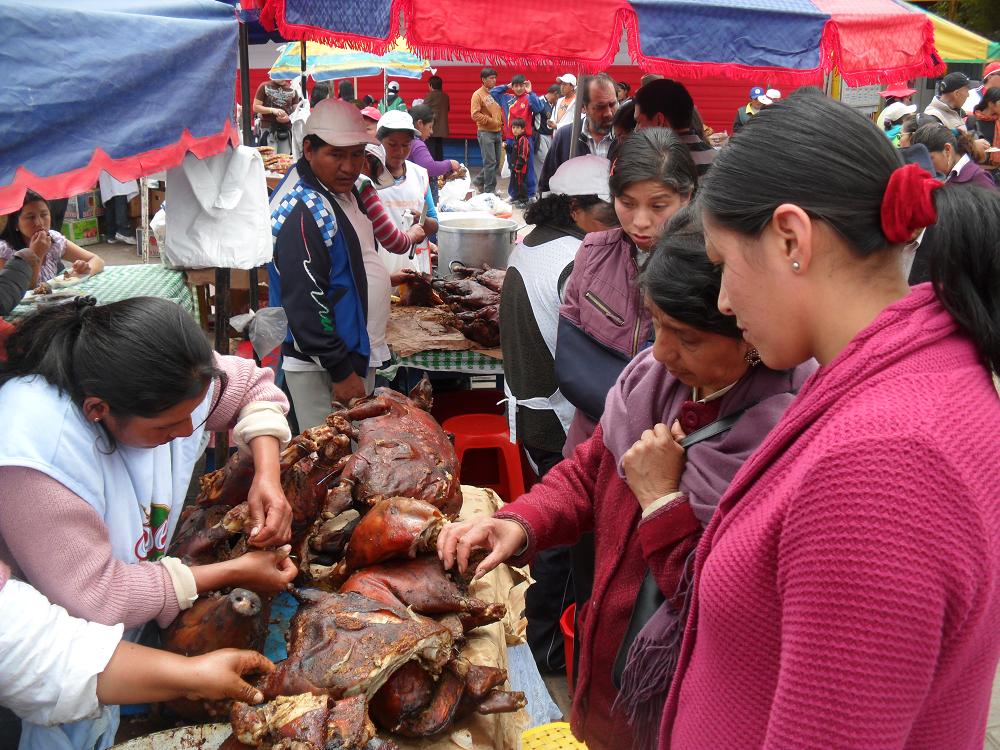
And how better to celebrate such a joyous event than with food! Here in Cuzco the traditional meal on “Día de todos los Santos Vivos” consists of lechon (suckling pig) and tamales.

buying lechon

Buying lechon on Día de todos los Santos Vivos in Cuzco

Here in Cuzco, Oct 30 to Nov 1 was also the festival of the bread, or T’anta Raymi. Sweet bread figurines, known as pan wawas (from the Quechua word wawa which means baby) are sold everywhere during these days. At the plaza Tupac Amaru close by our house we saw this gigantic pan wawa and I believe there was an even larger pan wawa set to be displayed in the center of the city.

pan wawa in Cuzco, Peru

A giant pan wawa on display at the plaza Tupac Amaru in Cuzco, Peru

There was a sort of baptising celebration for the pan wawa which again seems like a blend of Catholic and Andean traditions. We didn’t stay for the baptising of the pan wawa, we wanted to go back to the house and devour our yummie lechon 😉

Cold as a witch’s boob

I personally have no experience in the matter, but my friend Dave does. It’s hard to recycle the story but it’s a great story when you hear it from Dave himself. I’ll give you the short version anyway.

Dave and I used to work together. He was on my “team” at GE, now he’s moved on to management. Dave cut his teeth in aviation as a US Marine. He was a young Marine still in technical training when he started dating a cute young Navy electrician. If memory serves me they were both based in San Diego. I guess Dave didn’t understand at the time why this cute young thing didn’t seem to have a lot of dates and he took to liking her. After they’d been dating for a while, cute young electrician one night tells Dave that she is a witch. A bona fide practicioner of witchcraft, trained by her mother who was also a witch. I think cute young witch grew up in California, so that explains a lot.

Dave’s a good man and a God fearing Christian, the idea of dating a witch didn’t appeal to him too much but since he’d already been dating cute young witch for a while, he also didn’t break up with her right away. If I remember the story well, over a Christmas break he just decided not to call cute young witch and not to look her up after he got back to base. He didn’t really break up, he just disappered. In short, he woosed out.

The story ended with Dave standing around with his buddies one day when cute young witch snuck up on them and punched or yelled at Dave in front of all his buddies.

“You could have at least called!!!!”

And all Dave’s buddies: “Boohoo! She’s gonna put a spell on you!!!”

I never had the courage to ask Dave if cute young witch’s boobs felt really cold or not…

At any rate, the reason for all this talk about cold, is that it’s been unusually cold and rainy in the Cuzco area the past week or two. Normally between May and November the weather in Cuzco is great: sunny, dry and 21 degrees C (~72F) every day, with just a few clouds in the sky. As soon as the sun starts to go down though, it gets cold very fast. So these past couple of weeks, without the typical sunshine during the day, it was cold and miserable in Cuzco. Very unusual.

I had just returned home from a trip with stops in Nunavut (northern Canada), Greenland and Iceland, so you wouldn’t think I’d be cold in Cuzco, but I was.
The East coast of Greenland near Kulusuk

The East coast of Greenland near Kulusuk

Even after almost 4 years I still have a bit of a hard time with the climate and altitude in Cuzco. Cuzco is at an elevation of 3,400 meters or about 11,000 feet above sea level. I tend to get a little cold or flu more often in Cuzco than I did in the US or Europe. Patricia and Brianna hardly ever get sick, because they were born in Cuzco they are much stronger. I’m weaker than them and Patricia fusses at me every time I catch a cold or flu, but I blame it on being a bottle-fed baby. Silly Europeans and all their progressive nonsense!

Long story short, I’m seriously thinking about moving to the Sacred Valley of the Inca, which is about 3,000 feet (1000 meters) lower elevation than Cuzco and consequently has a milder climate, more tolerable for us gringos. With the boom in tourism and real estate in Peru, I’d like to beg, borrow or steal (not really) some capital and build a few villas in the Sacred Valley of the Inca as an investment project. From a little bit of research we’ve done here, building villas in the valley is a good business, as is building apartments in the city of Cuzco for that matter. I’m told you can make 20% return in less than a year, probably more if you have capital available and don’t need to borrow it. What many people do is build 5-6 apartments, condos or villas, sell all but one and have a free house for themselves at the end of the day.

That’s my plan, all I lack is time and money 🙂

Here’s some random pictures of the Sacred Valley of the Inca:

Brianna in Urubamba, Sacred Valley of the Incas

Brianna in Urubamba, Sacred Valley of the Incas

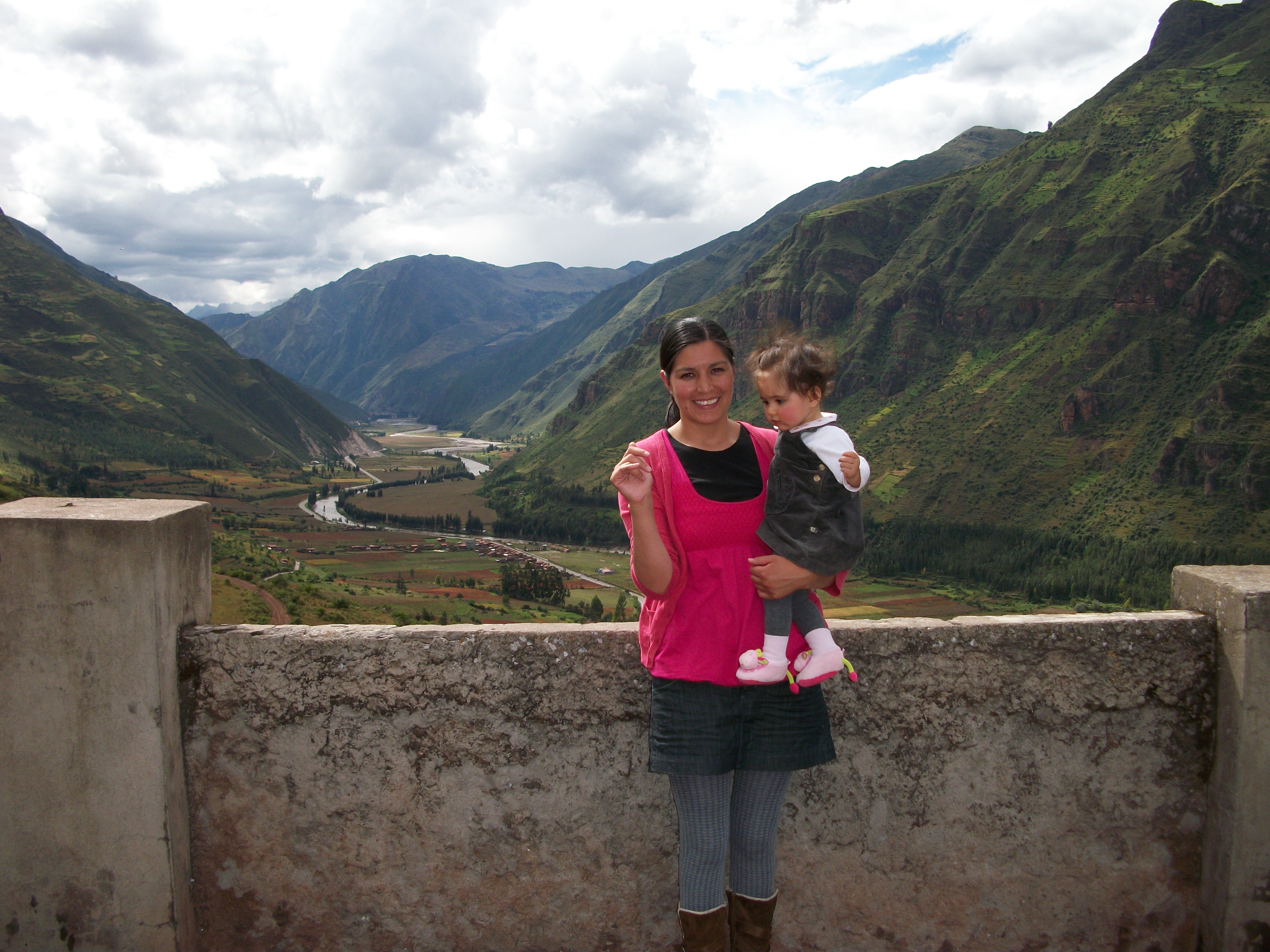
Overlooking the Sacred Valley of the Inca from the shrine of Señor de Huanca

Overlooking the Sacred Valley of the Inca from the shrine of Señor de Huanca

Dining room of a hotel in the Sacred Valley of the Inca
Dining room of a hotel in the Sacred Valley of the Inca