Peruvian wedding

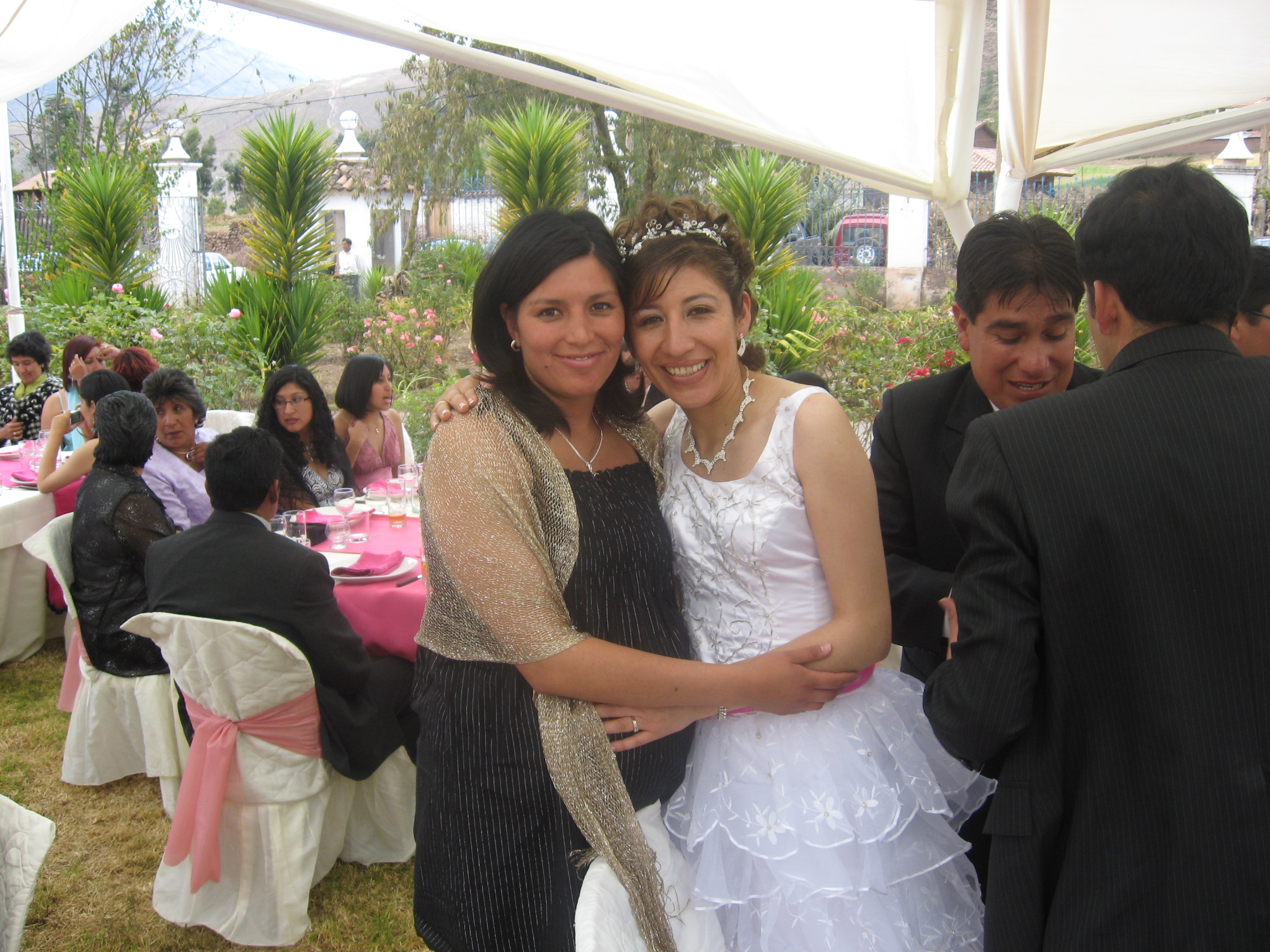
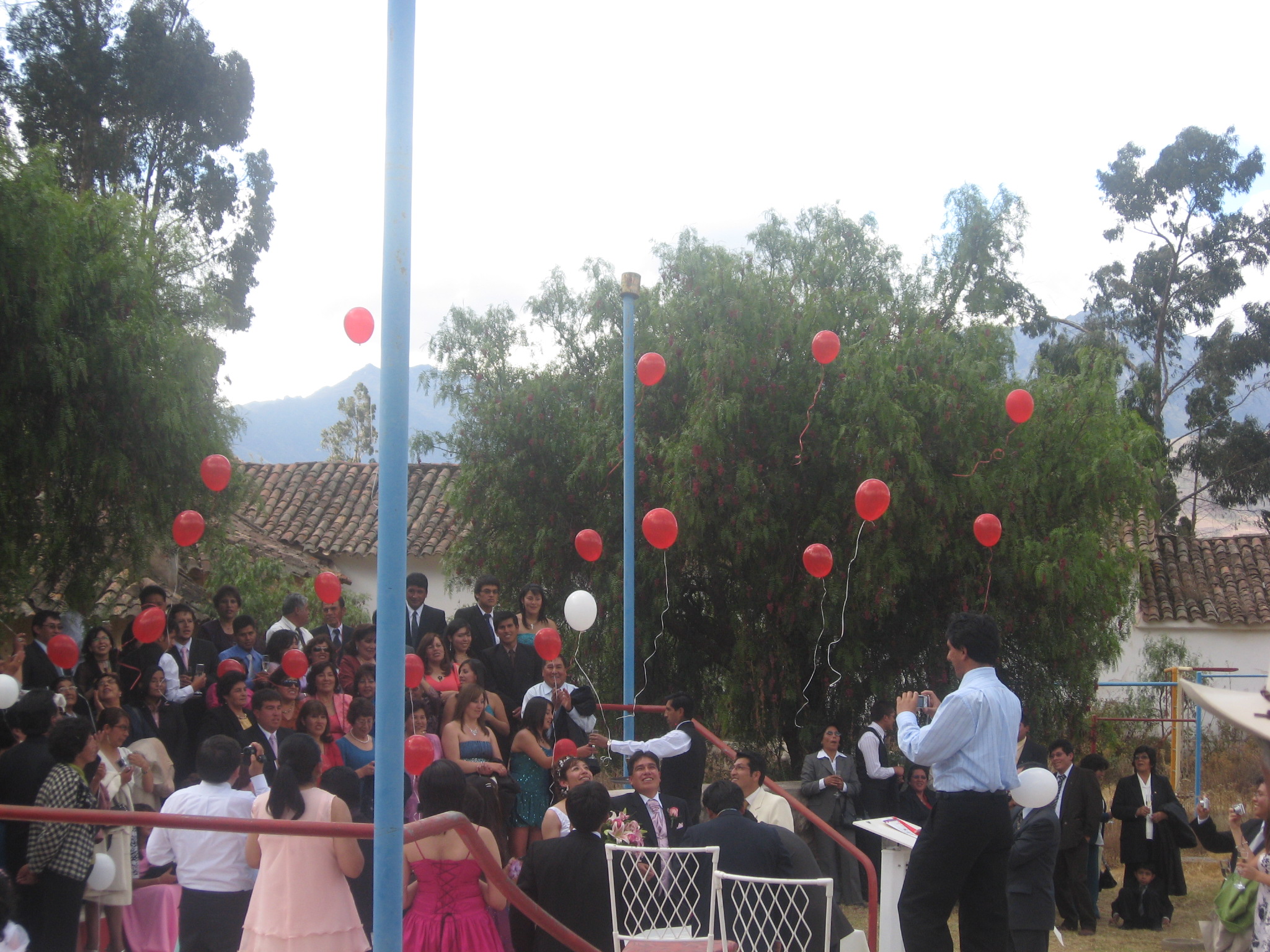
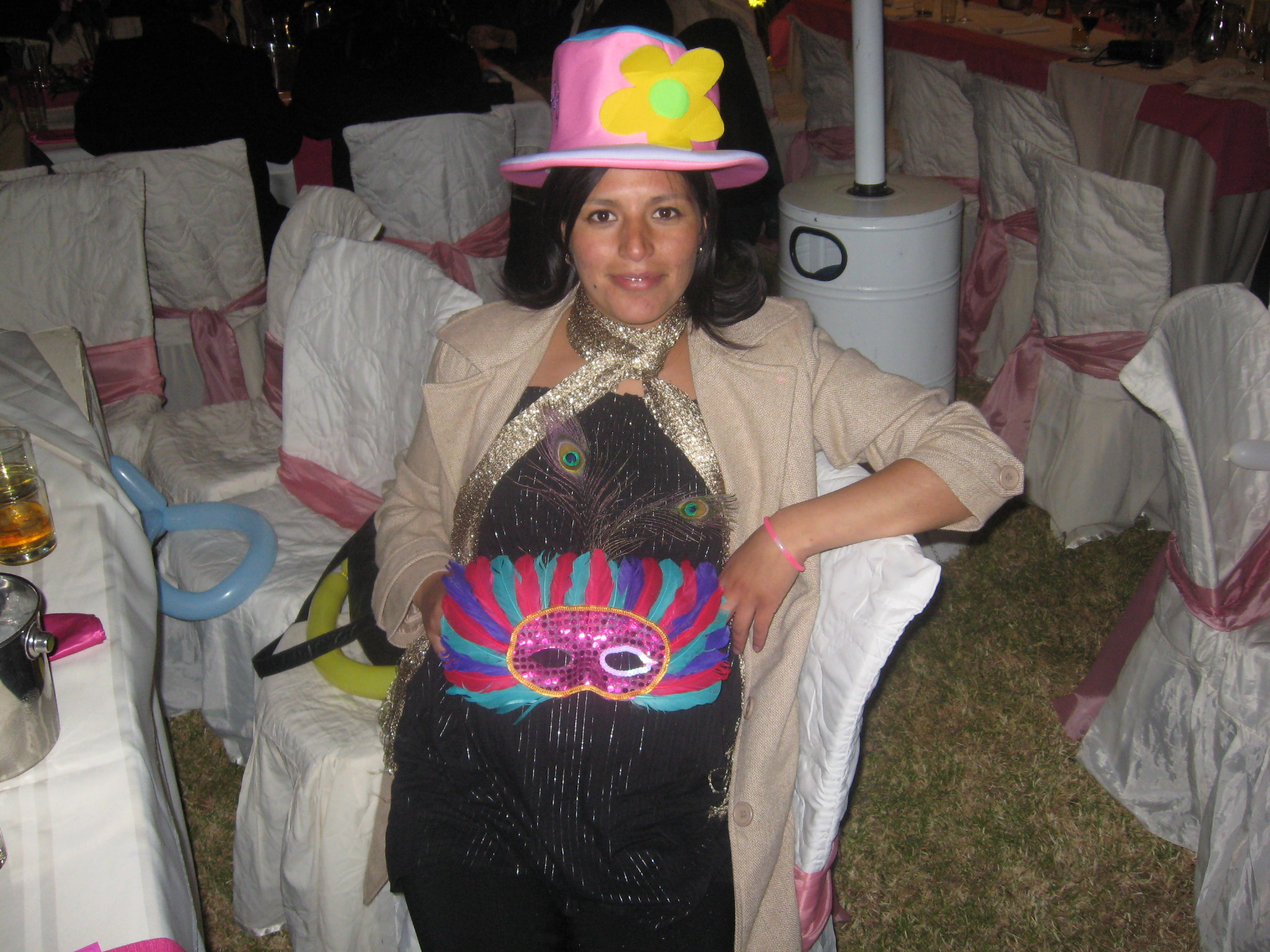
Patricia’s friend Helvi got married yesterday, here are some pictures from the wedding:

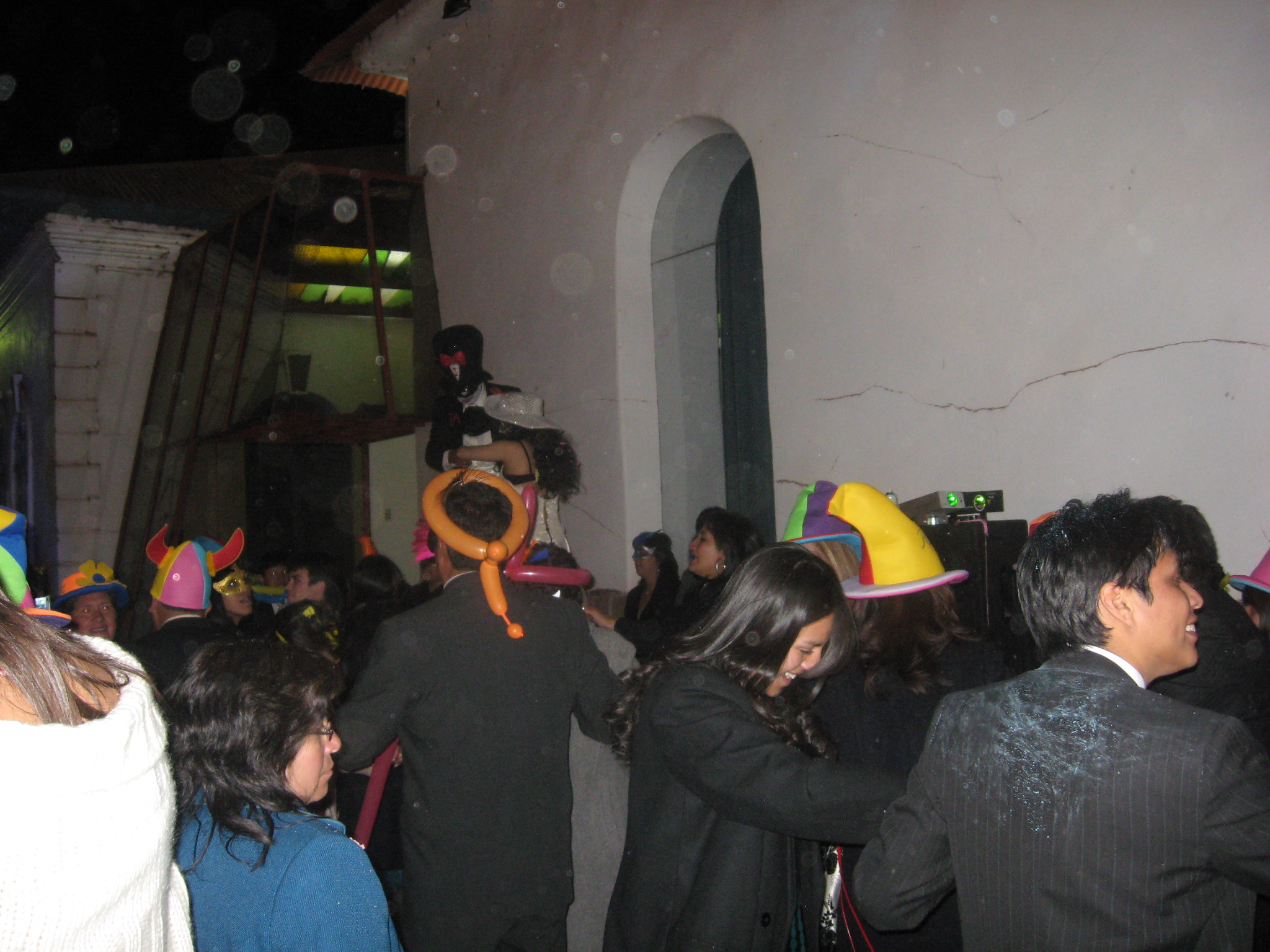
Weddings in Peru are fun, of course, with food, drinks, and lots of family and friends. Helvi’s wedding was at a rural resort about 45 minutes outside of Cusco, the “Trinidad Resort Hotel”, a converted textile factory in Lucre. I really enjoyed the outdoor setting. There were also entertainers, which explains the masks and balloons 😉

Despite the mix of champagne, Pisco Sour, cerveza, vino and whiskey, I behaved reasonably well – until the DJ put on rock ‘n roll music.

You have to understand… I like the Latin music that is typically played at weddings and parties in Peru, but I’m a nut when it comes to rock ‘n roll. Due to the – ahem – state Patricia is in, she wisely chose not to dance rock ‘n roll with me (or maybe she doesn’t like how I dance?), so I made a big scene with the bride. I figured as the only gringo at the entire party, I had to dance to gringo music!

“Many dreams come true, and some have silver lining
I live for my dream, and a pocket full of gold”

(from Led Zeppelin, “Over the hills and far away”)

The wedding was great, all the best to Helvi y Fitzgerald!!!

Peru, safety and pitbulls

How safe is Peru? How dangerous are pitbulls?

Got an email from my mom a while back, loosely translated:

“… Two friends of mine were thinking about visiting Peru. They’ve planned out their trip to Lima, Machu Picchu, and Cusco, and have already bought their tickets. But someone told them Peru is dangerous, and then they also read that Peru is dangerous on some government website. Now they’re thinking about canceling their trip, what should they do?”

So is Peru dangerous in my opinion? Here’s my response, again loosely translated:

“… Jee if I had known how dangerous it is here I could have been scared for the last year and a half !! Peru is very safe in my experience, BUT, it is a poor country so you have to be mindful of petty crime. It often amazes me how some tourists walk around Cusco as if they’re in Disney World. You have to be aware of your belongings, especially in busy places and on buses. Pay attention when the bus stops. There are bad parts of town in Lima, just like anywhere else in the world, but there’s no reason an ordinary tourist would end up there. I imagine the reason the government website said Peru is dangerous is because in a few of the provinces along the border with Colombia there are drug cartels, but again there’s no reason the average tourist would end up there.”

And then I made the mistake of adding some humor…

“Besides if your friends are really scared they can borrow my Pitbull while they’re here…”
We think Manchita is a Blue Pitbull

We think Manchita is a Blue Pitbull

Response from my mother….

“O my God, I’m so worried about what you’re going to do with the dogs now that you’re going to have a baby…”

Sometimes you just can’t win. There are lots of documented benefits of having dogs around children. Needless to say if you have strong, protective dogs like ours you have to pay attention to them, especially around children. But the notion that pitbulls randomly attack people is even more ridiculous than the idea that Peru is some bad unsafe place that you shouldn’t visit.

Chicharron

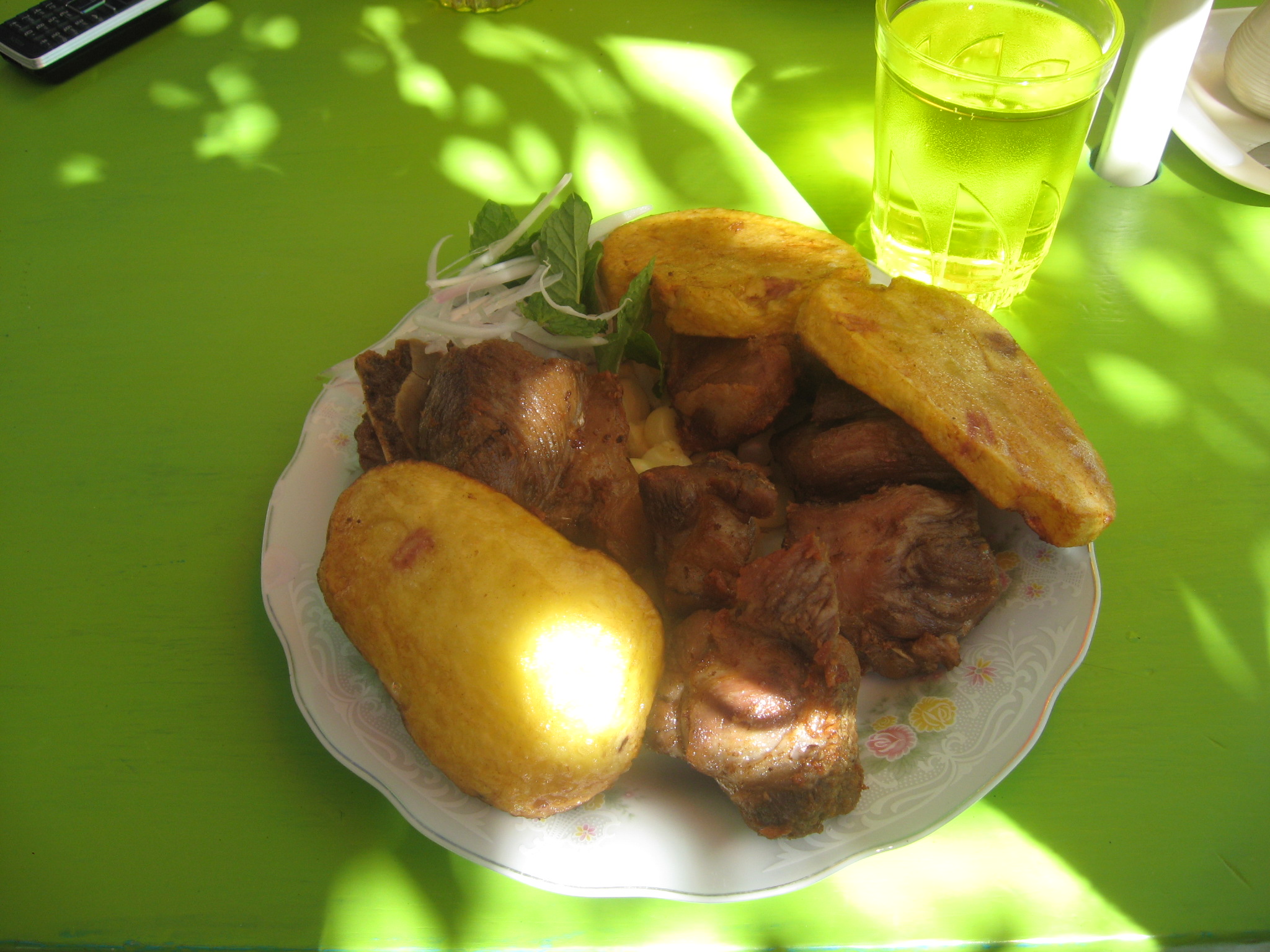
We took a trip to Saylla today for a lunch of chicharron, or fried pork. I lived in “the South” for 15 years, so I know fried food, but if you like meat you can’t beat chicharron, it is great. Chicharron is generally served with corn, potatoes and a salad. On the side you have a dish of “aji”, the green hot sauce that is typical here in Cusco.

Chicharron, or fried pork

Chicharron, or fried pork

Los Kqantus, our favorite chicharroneria

Los Kqantus, our favorite chicharroneria

We are caseros, or regulars, at “Los Kqantus” in Saylla. Saylla is a small town about 20 minutes outside of Cusco, known for chicharron. There must be 20 or so restaurants in Saylla, all Chicharronerias.

Que rico!!!

Que rico!!!

Enjoying the sun

Enjoying the sun

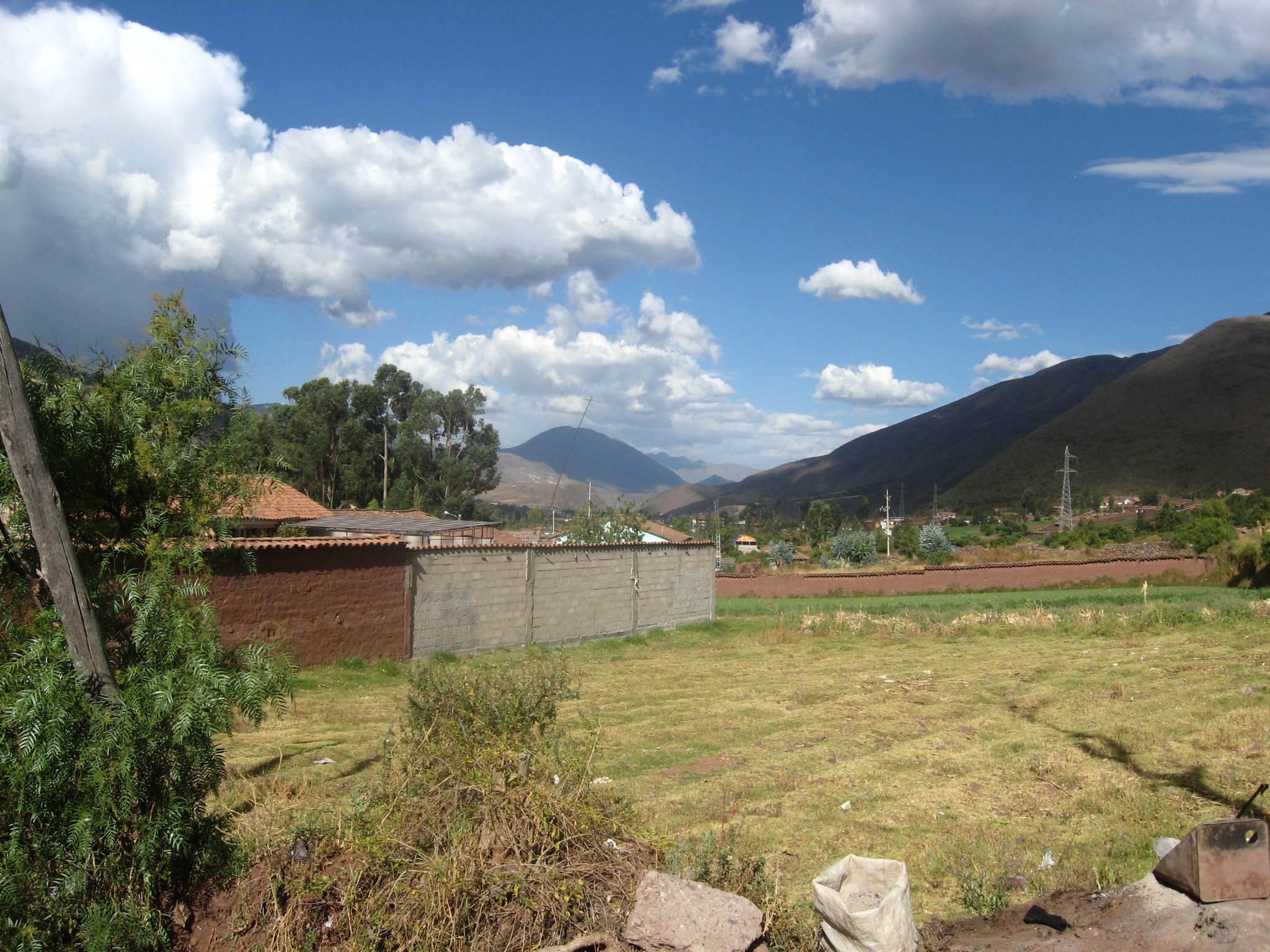
It bears repeating, the food is fantastic. But the experience is even better since we usually eat outside, overlooking the mountains and the countryside. The weather in Cusco is perfect in the early afternoon: sunny, 78-ish and no humidity.

Saylla is a quiet, small town. After lunch we walk through the countryside to the next town, Huasao, where we take the bus back to Cusco.

Countryside near Saylla, Peru

Countryside near Saylla, Peru

Bus back to Cusco, from the main square of Huasao

Bus back to Cusco, from the main square of Huasao

Tough life we have here in Peru, si 😉

How to get to Saylla: from Cusco take a “combi” to Saylla, Huasao or Oropesa, any of these stop in Saylla. Just ask the locals where to take the bus to Saylla. A good place to get on the “combi” is any bus stop on Avenida Cultura. “Los Kqantus” is near the 3rd bus stop in Saylla, about a block back from the main highway.

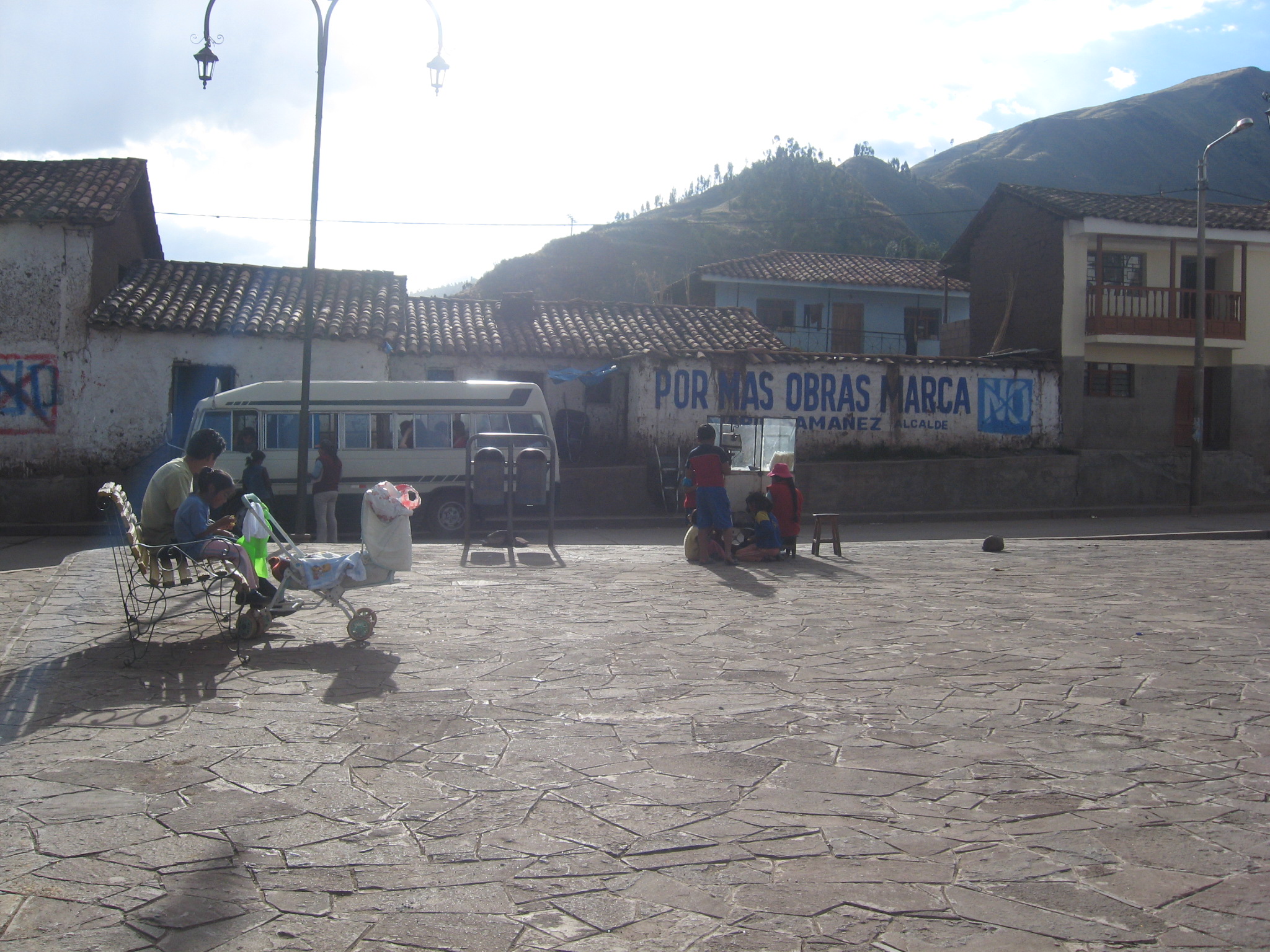
On the way back the busses get very crowded, if you want to get a seat it is best to walk to the main square (Plaza de Armas) in Huasao, where the buses leave from.

The main square in Huasao, Peru

The main square in Huasao, Peru

Why Peru is poor

or – why every Peruvian needs a Jack Russell terrier.

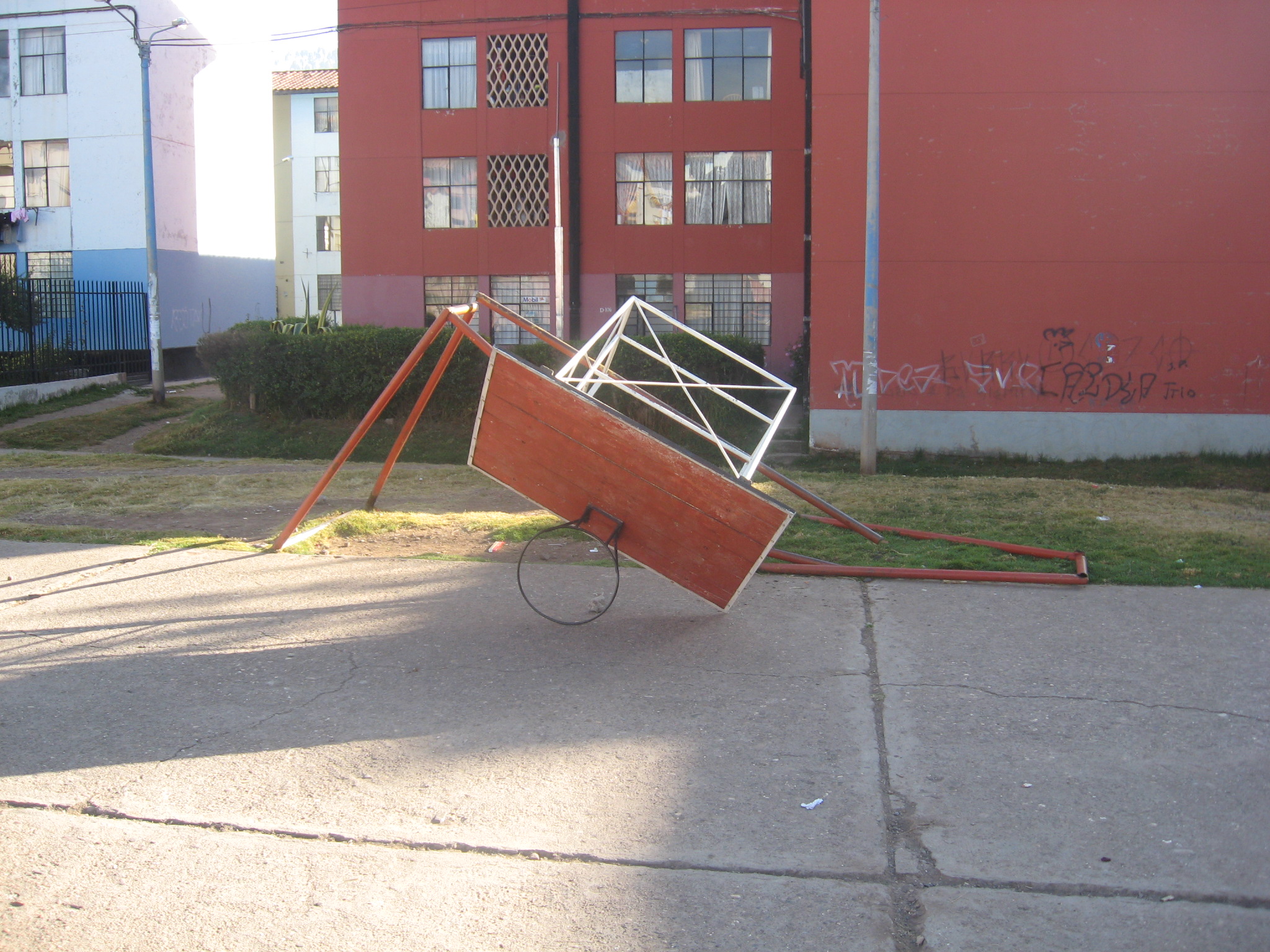
Why Peru is a poor country

Why Peru is a poor country

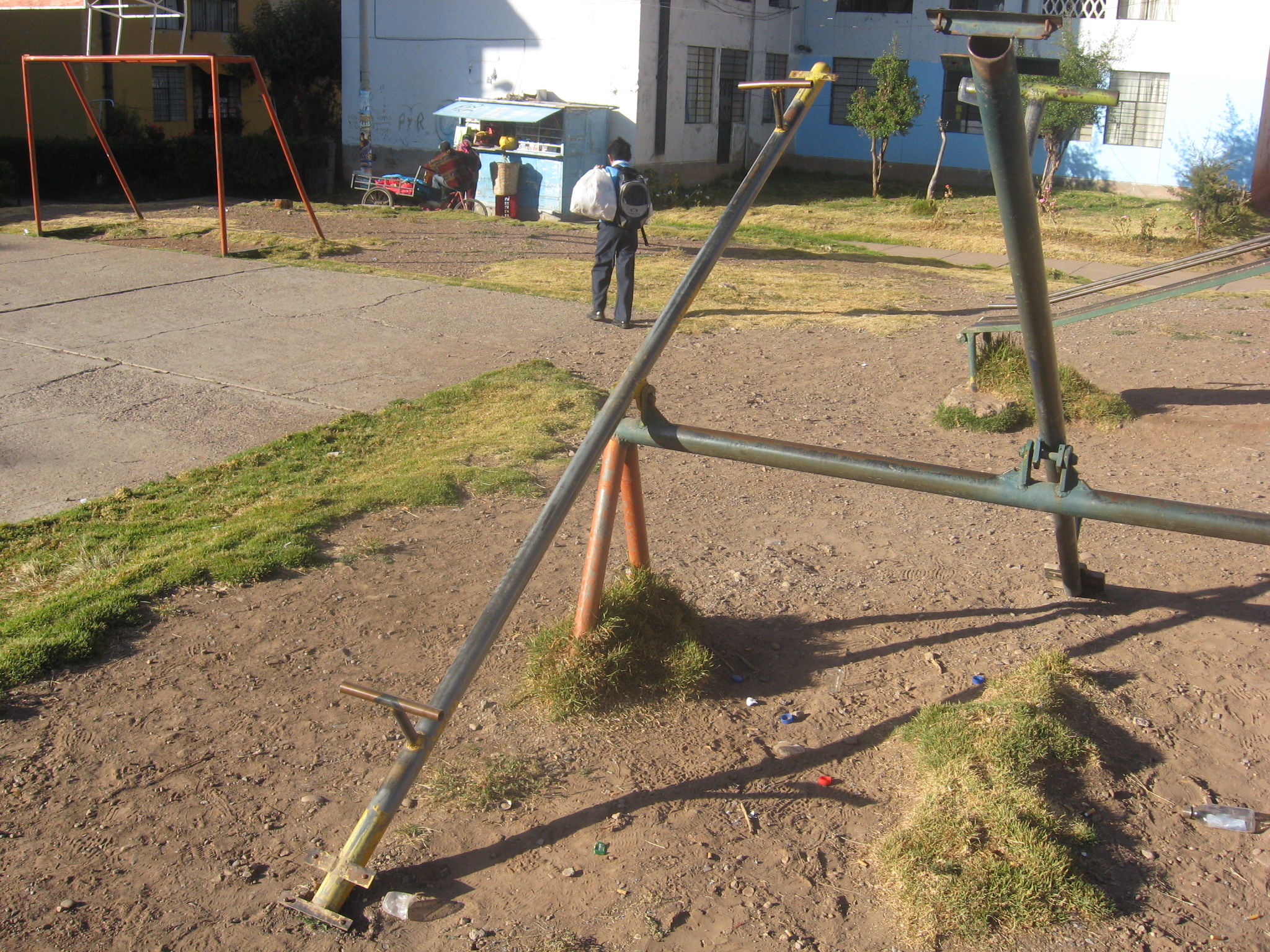
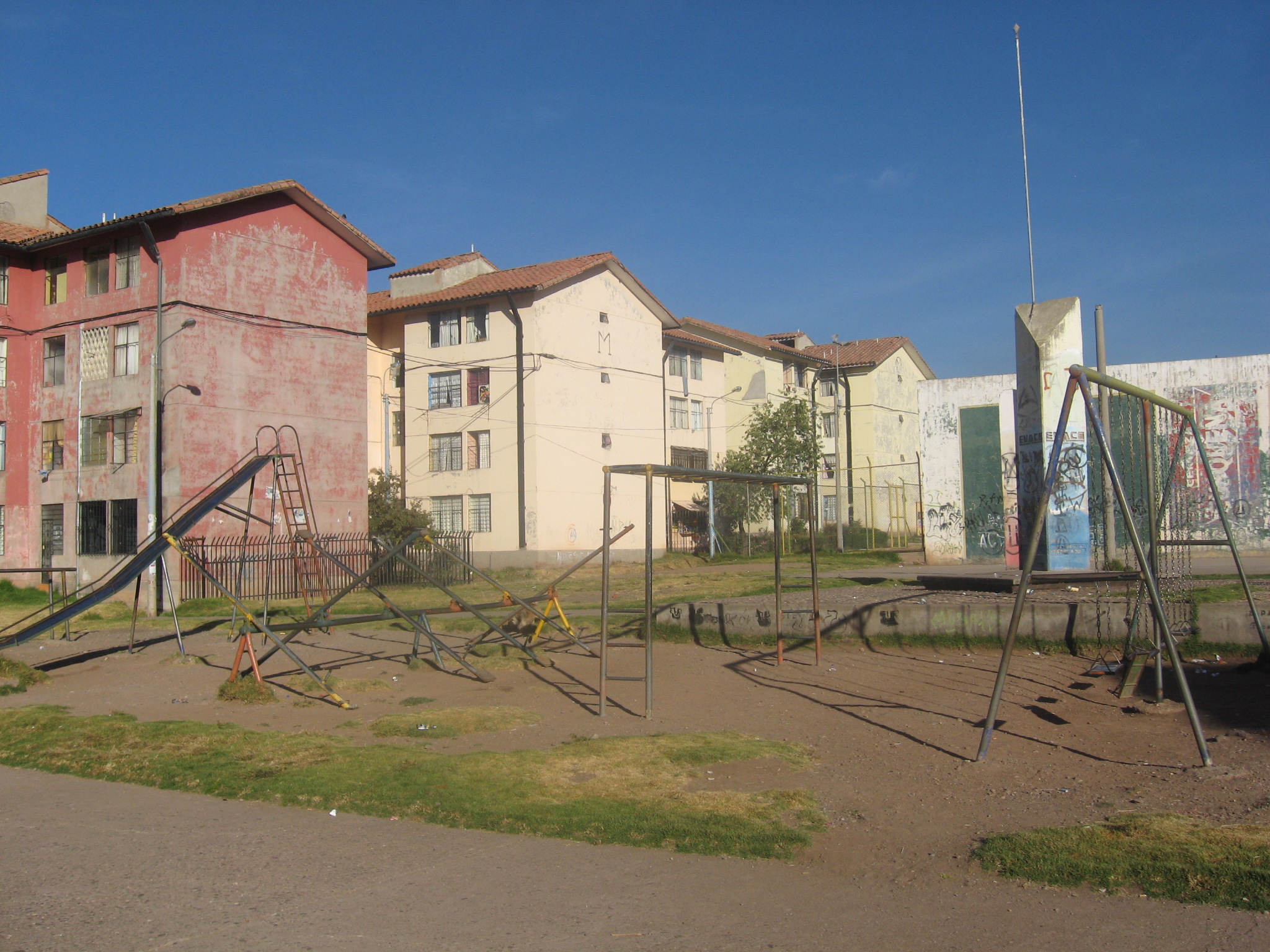
The picture is from the park in our complex. Although the soccer goal only collapsed in the past month or so, the park has been in complete disrepair for as long as I’ve been here, and most probably long before that. About a month ago, the mayor of Wanchaq put up a sign that he would build a beautiful new park in our complex, 80% financed by the city.

Great news, everyone was all excited, right?

WRONG. A bunch of people in our complex were up in arms that a nice new park would only attract drunks and teenage couples, so they complained at the municipality until the mayor dropped the idea of building a new park.

I once read in El Comercio: “Peru is a poor country because Peruvians act like poor people.” I totally agree with that. The reason our park is in disrepair has nothing to do with money and everything with attitudes. The people in our complex have cellphones and internet, they buy stuff every month from Avon and L’Ebel and so forth, but they refuse to improve the neighborhood they live in.

Our daughter won't play on this junk

Our daughter won't play on this junk

Our neighborhood in Cusco, Peru

Our neighborhood in Cusco, Peru

To any observer here it is obvious how the political and business elite in Lima is totally disconnected from the way of life in the provinces, plenty has been said about that. But I believe there is another issue in Peru:

The middle class is hiding from life.

The dilapidated park in our neighborhood is only one example. The middle class in the cities in Peru lacks initiative and organized behavior, they simply don’t act as if they are empowered to create a better tomorrow. On top of that, they complain about Indios but forget it’s people like Mama Vicky who put food on grocery store shelves. Say what you will about the current recession in the developed world, the middle class in the US is not to blame for that. The high standards of life in the US and Europe are because the middle class always felt empowered and believed they could make a better tomorrow.

I shake my head every time someone tells me they want to leave Peru because there are better opportunities in the USA. Horsebaloney. There are tons of opportunities in Peru, fantastic human and natural resources, but you have to make your own happiness. Take advantage of the opportunities instead of backing away from the challenges.

This is why every Peruvian needs a Jack Russell terrier. Our dog Roxi has boundless self confidence and energy, she will never, ever, back down. She barks at Rottweilers and Mastiffs – she might get her butt kicked, but she will never put her tail between her legs and go hide.

The Peruvian middle class needs a dose of that type attitude fast, so they will start taking on some of the challenges in Peru – or they shouldn’t be surprised in 2011 to wake up to their own copycat of Hugo Chavez or Evo Morales.

“China fears bond crisis” – buy$ Peru

Interesting article about the Chinese Central Bank again questioning US monetary policy.

“…Simon Derrick, currency chief at the Bank of New York Mellon, said the report is the latest sign that China is losing patience with the US and aims to diversify part its $1.95 trillion (£1.3 trillion) foreign reserves away from US Treasuries and other dollar securities.

Hans Redeker, head of currencies at BNP Paribas, said China is switching into hard assets. “They want to buy production rights to raw materials and gain access to resources such as oil, water, and metals. They know they can’t keep buying bonds,” he said …”

Since the US government has been printing up money as if it’s going out of style, the Chinese are worried that their dollar-denominated foreign investments (US Treasuries) may soon become, well, Monopoly money.

Peruvians should pay attention to these developments, as Peru recently signed a free-trade agreement (TLC) with China, giving China greater access to Peru’s natural resources as well as infrastructure projects. Look for the Chinese to continue investing in Peru (say, La Oroya).

Finally, unless Prez. Two Breakfasts (Alan Garcia) gets a dose of social equality really fast, don’t be surprised to see some Socialist ideology trickle into Peru along with Chinese investments.

Viejo

My birthday was this past Friday. Patricia thinks anyone with living memory of the 1970s is positively antique, so that makes me a viejo (old guy).

That Peruvians have a different concept of age is not really surprising, considering the population in Peru is very young. The median age is in Peru is 26, fully 10 years lower than in the US. One disadvantage is that age discrimination in the workplace is common here. At 35 I would not be considered for many jobs, but that’s not a great loss since working for someone else is often a sad proposition in Peru, with poor wages and working conditions. I think I’ll just make my own luck.

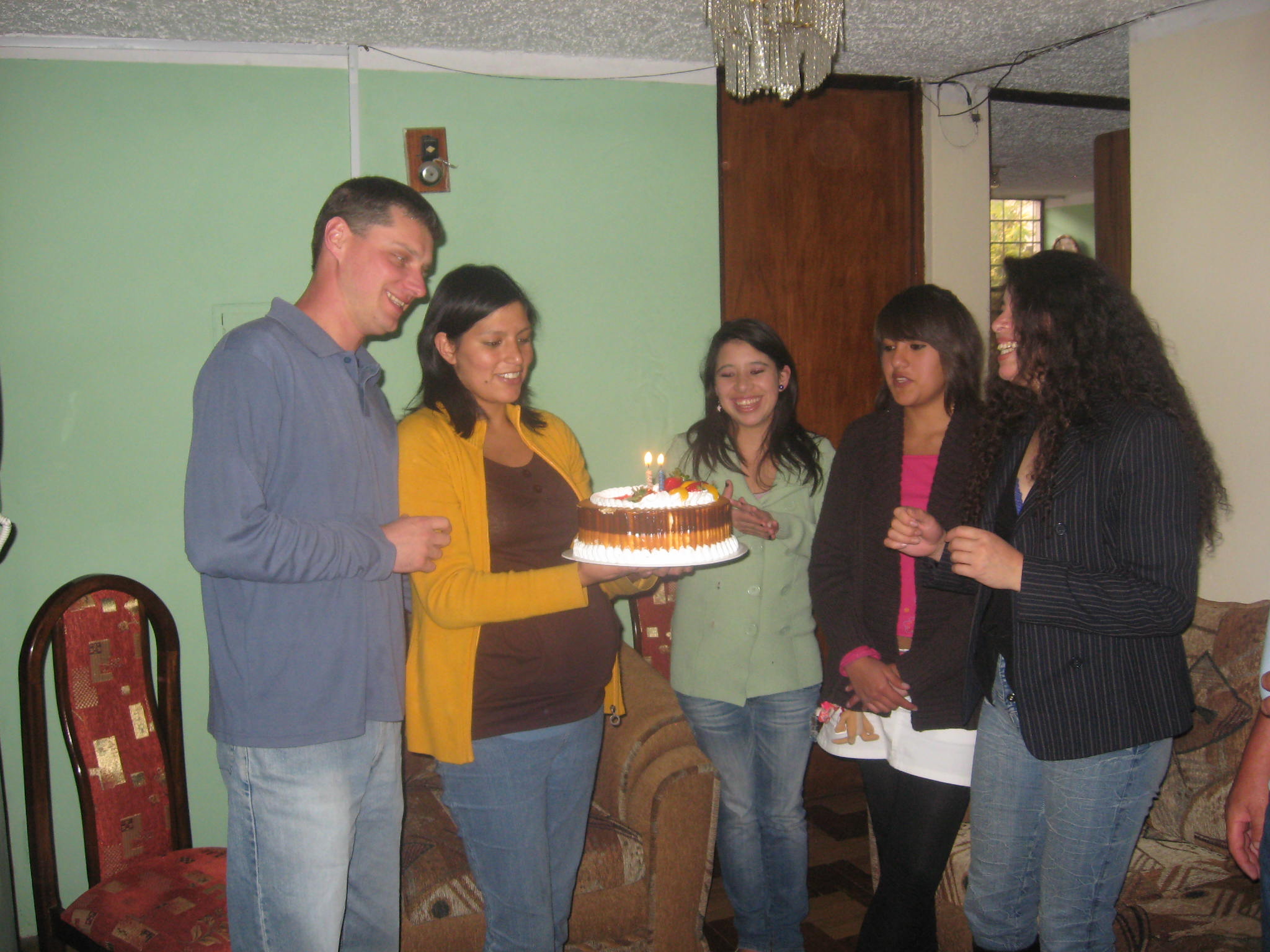
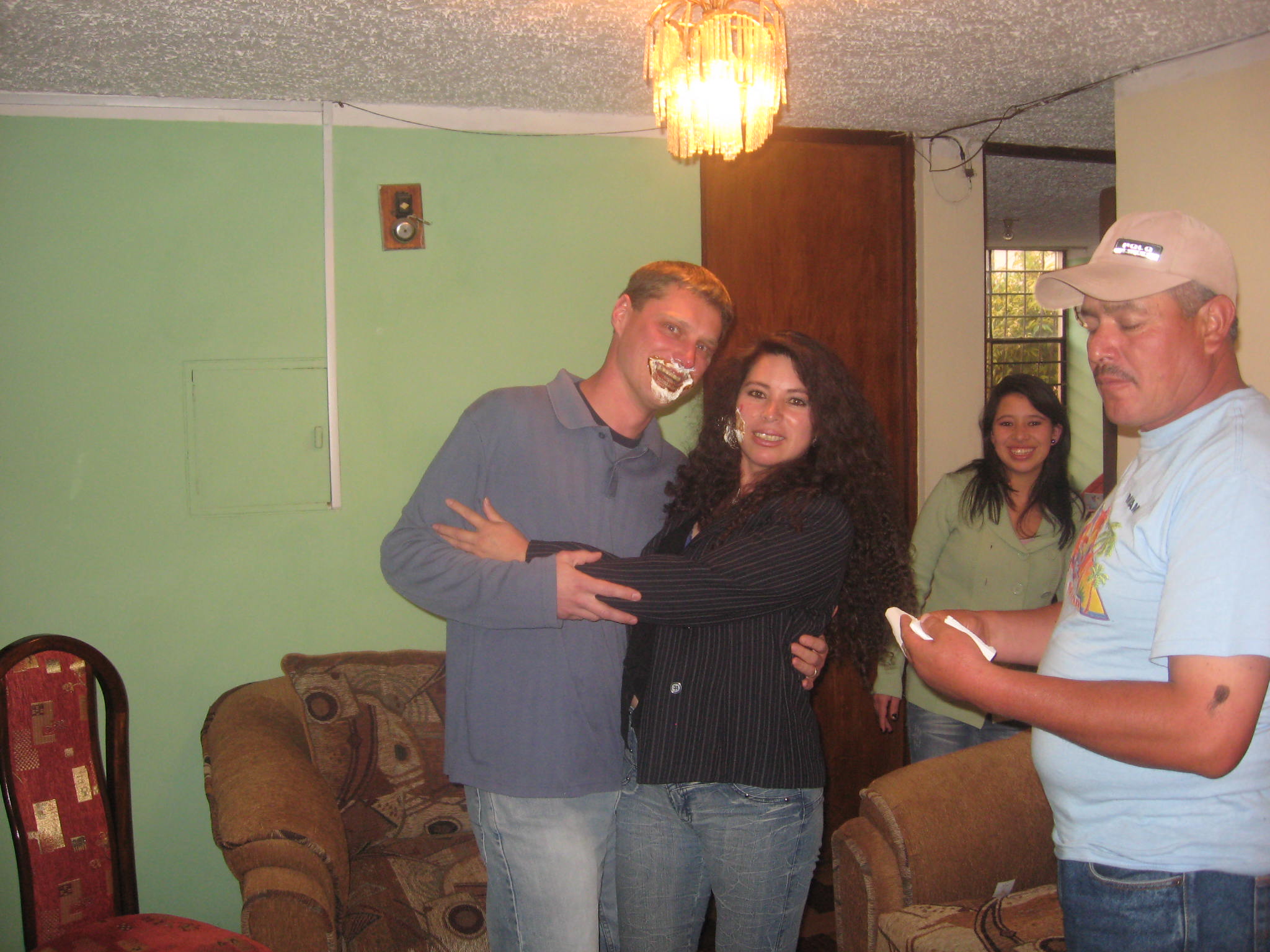
Here’s a few pictures of my birthday. We’re bad with math here in Cusco so we just put one or two candles on the cake, no matter what age. A fun part of the birthday celebration in Peru is that you get to take a “bite” out of the cake after blowing the candles out, and someone gives you a gentle push on the back of your head… that explains the whipped cream on my face 😉

Viejo getting ready to blow out the candle

Viejo getting ready to blow out the candle

After I took a bite from the cake

After I took a bite from the cake

Swine flu in Cusco?

Obvious disadvantage to living in a tourist town… From Diario del Cusco:

“El Ministro de Salud Oscar Ugarte precisó que se trata de una guía de turismo cusqueña que estuvo en contacto en días pasados con un grupo de turistas mexicanos que arribaron a la Ciudad Imperial el pasado viernes y desarrollaron la acostumbrada visita a los centros de atracción. La joven cuya identificación se mantiene en reserva por consideraciones al estado de salud, presentaba sintomatología similar al de la gripe porcina y fue sometida a exámenes inmediatos los cuales resultaron negativos en un primer estado. Este primer indicio motivó preocupación por la aparición del virus H1N1 causante de la crisis de salud que ha puesto al mundo al borde de la temida pandemia según precisó la Organización Mundial de la Salud no se trata de una gripe común.”

Hopefully these suspected cases will turn out ok. More info here regarding H1N1 swine flu.

One question that has been asked is why the “swine flu” is deadlier in Mexico than elsewhere. I’m no scientist, but I would look at the impact of the elevation of Mexico City (2,240 meters or 7,349 feet msl). Of course, Cusco is at an even higher elevation of 3,400 meters (~11,000 feet).

Here in Latin America there are several mega-cities, such as Mexico City (est. 19 million population) and Lima (est. 7-9 million population). Stuart has done a great job describing the mass migration to Lima over the past several decades. I’ve never been a big fan of mega-cities, and an outbreak such as the current swine flu only makes me wonder about the logic of millions of people living so close together.

Hopefully these reports of swine flu in Cusco will turn out to be the result of increased sensitivity, not actual cases of the swine flu.

UPDATE: according to El Comercio, swine flu has been ruled out in this case.

Journalism

From Time.com:

“The legislative achievements have been stupendous — the $789 billion stimulus bill, the budget plan that is still being hammered out (and may, ultimately, include the next landmark safety-net program, universal health insurance). There has also been a cascade of new policies to address the financial crisis…”

If you’re into the 100-day-Obama-lovefest, read the complete article: Joe Klein on the President’s Impressive Performance Thus Far.

To me this is terrible journalism, akin to the Latin Business Chronicle voting Alan Garcia as Leader of the Year. Where are the hard questions journalists are supposed to ask? Take this quote from an Obama speech for example:

“It is simply not sustainable,” he said, “to have an economy where, in one year, 40% of our corporate profits came from a financial sector that was based on inflated home prices, maxed-out credit cards, overleveraged banks and overvalued assets.”

This quote is completely contradictory to the economic policies the Obama administration has implemented, which amount to nothing more than printing up collosal amounts of money to keep the big banks and big wigs on Wall Street in business.

If Obama actually believed what he said in this particular quote, he would simply let some of the big banks (and GM) go bankrupt. If you think that sounds insensitive, it could be argued that throughout history successful societies have been distinguished by having some orderly liquidation/bankruptcy process, so that smart, innovative, successful businesses can replace those that for whatever reason became obsolete and insolvent. If anyone actually believes middle class America benefits from the big banks on Wall Street’s survival, I have a mountain top in Peru I’d like to sell them.

In fairness, other than the economic policies of the Summers-Geitner team I’m not critical of anything President Obama has done in his first 100 days, and to his defense Joe Klein does say it’s a “journalistic conceit” that the President could be assessed in 100 days. But to print these type of quotes without at least questioning whether the President’s policies are in line with what he said, is just plain terrible journalism.

Huanchaco

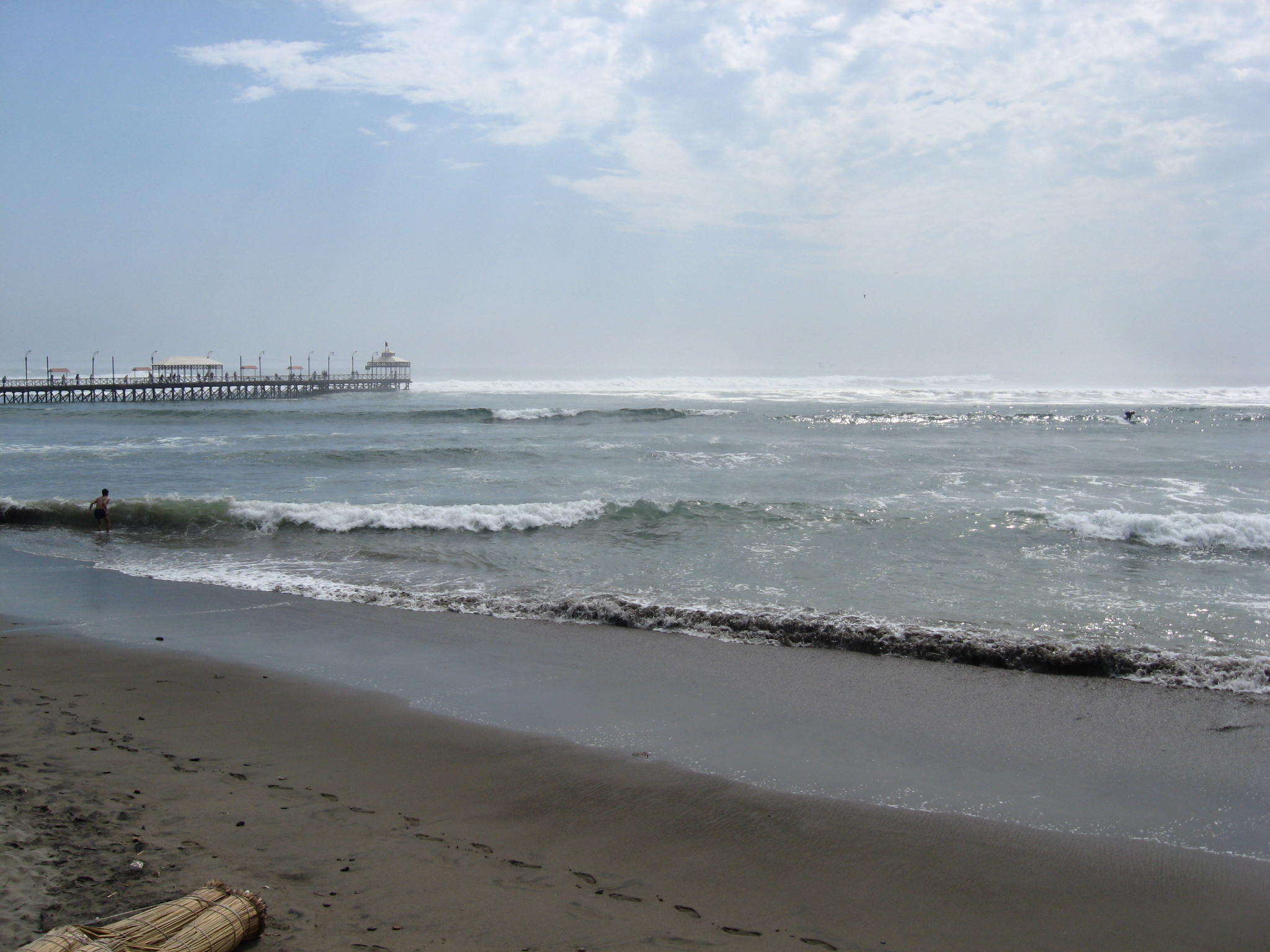
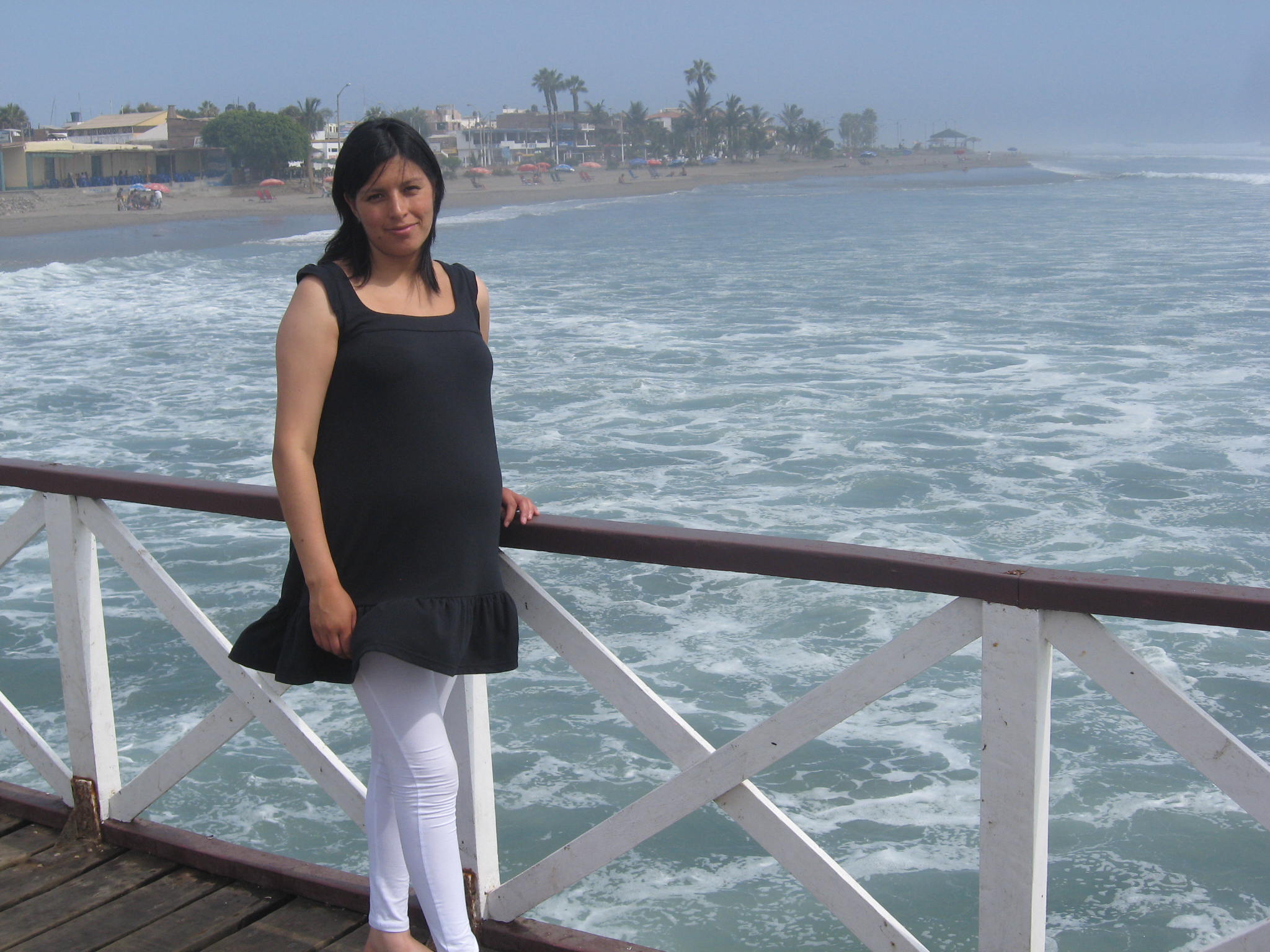
Last week we visited the seaside resort of Huanchaco, in the North of Peru. Huanchaco is a great little beach town, quiet, laidback and picturesque. The climate in the North of Peru is beautiful year round, and there is great surf on the Pacific Coast.

We took a walk down the malecon (boardwalk) and had lunch overlooking the ocean – after all, during our entire visit to Trujillo we were practically living like the Roman Emperor.

From Trujillo you can get to Huanchaco by taxi for about 20 Nuevos Soles (~ $7) or by public transportation, just ask the locals which bus to take. I highly recommend it!

Ceviche

Patricia had ceviche at a small seaside restaurant in Huanchaco last week. Ceviche is a typical Peruvian dish: fresh, uncooked fish, typically marinated in citrus and spices.

Ceviche

Ceviche

El Mochica, seaside restaurant in Huanchaco, Peru

El Mochica, seaside restaurant in Huanchaco, Peru